
Do Detox Foot Patches Actually Work? Science vs. Marketing
We break down the science behind detox foot patches, what the dark color really means, and whether any foot pad can actually remove toxins from your body.

Tech Reviewer
In This Article
- What Are Detox Foot Patches?
- What the Science Actually Says
- Why the Patches Turn Dark
- What Traditional Asian Medicine Actually Says
- The Regulatory Landscape
- Do Any Ingredients Actually Do Anything?
- Why People Keep Buying Them
- Better Alternatives for Actual Foot Health
- Our Top Recommended Detox Foot Pad
- The Bottom Line
Detox foot patches are one of the most visually convincing wellness products on the market. You stick a white pad to your foot before bed, and by morning it has turned dark brown or black. That visual transformation is so dramatic that it has fueled a multi-million dollar industry spanning dozens of brands, from the original Kinoki to the current frontrunner Nuubu.
The marketing tells a simple story: the dark color means toxins are being pulled out of your body through your feet while you sleep. Traditional Asian medicine identified pressure points on the soles of the feet, and these patches use natural herbs to activate those points and draw out impurities. It sounds plausible, and the visible result seems to confirm it.
But what does the science actually say? We dug into the research, the regulatory actions, and the independent lab tests to separate fact from marketing.
What Are Detox Foot Patches?
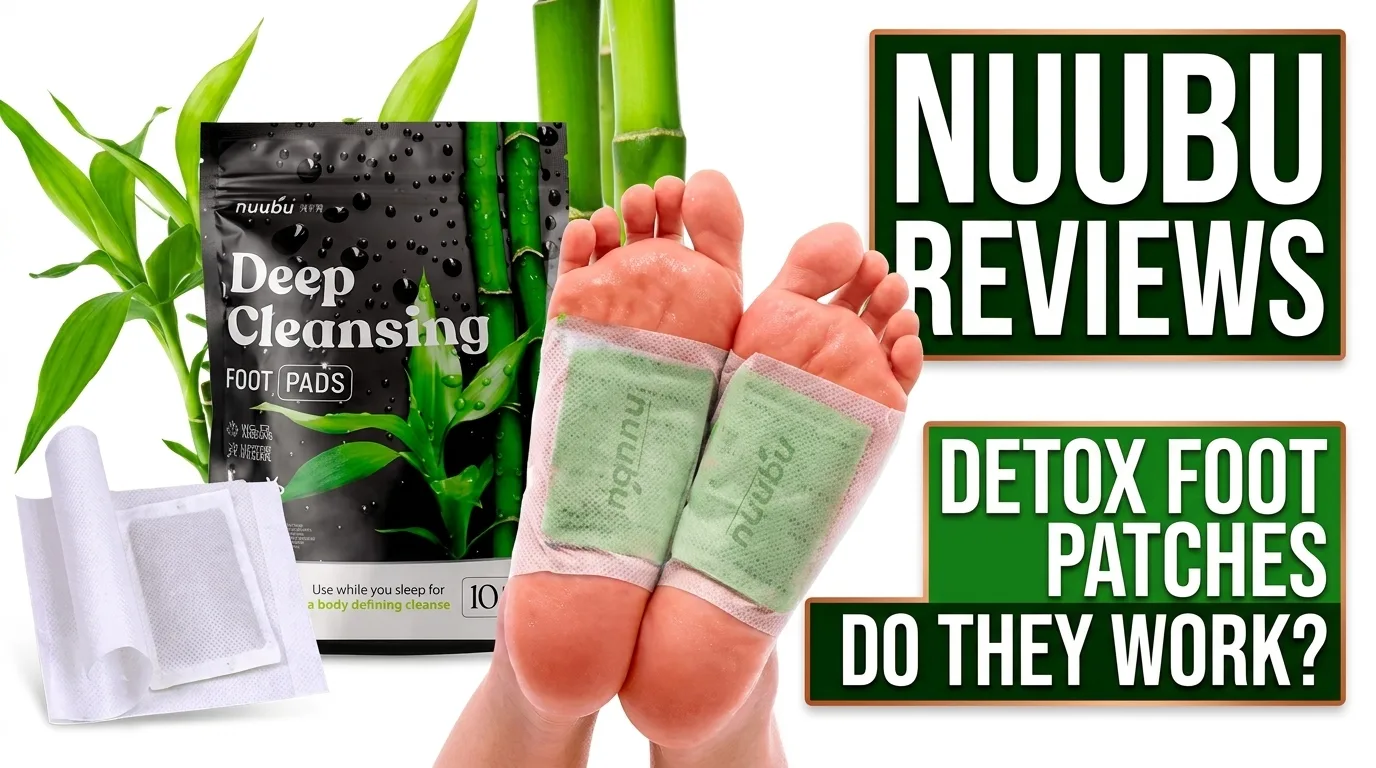
Detox foot patches are adhesive pads containing herbal ingredients, most commonly bamboo vinegar, wood vinegar, tourmaline, and various plant extracts. You apply them to the soles of your feet before going to sleep and remove them in the morning after six to eight hours of wear.
The patches start white or beige. By morning, they have darkened to brown or black. The manufacturers say this color change represents toxins, heavy metals, and waste products that have been drawn out of your body through the skin of your feet.
The products are inspired by traditional Asian reflexology, which identifies over 2,000 acupuncture points in the body, with more than 60 located on the soles of the feet. In traditional practice, these points are believed to connect to internal organs and bodily systems. Reflexologists apply pressure to these points to promote health and well-being.
Detox foot patches borrow this language and apply it to a consumer product. The patches are placed on the foot, supposedly interacting with these pressure points, and the result is visible on the pad in the morning. At least, that is the story.
What the Science Actually Says
The scientific consensus on detox foot patches is clear and consistent: there is no credible evidence that they remove toxins from the body.
The Mayo Clinic. Brent Bauer, director of the Mayo Clinic’s complementary and integrative medicine program, has written that “no scientific studies have been published that show that detox foot pads work or that they’re safe.” The Mayo Clinic’s position is that the body has its own detox systems, primarily the liver and kidneys, and that foot pads do not enhance or replace these systems.
The Federal Trade Commission. The FTC charged the marketers behind the Kinoki foot pad brand with deceptive advertising. A judge banned the sale of Kinoki pads after finding that claims the pads could treat high blood pressure, headaches, depression, and other conditions were false or unsupported. The company was ordered to pay $14.5 million.
Peer-reviewed research. A 2018 study published in the Journal of Heavy Metal Toxicity and Diseases analyzed foot pads used by 53 people and found no evidence that detox foot pads promote the elimination of toxic metals from the body through the feet. The study measured metal content in the pads before and after use and found no significant difference.
Independent lab testing. NPR investigated a similar type of foot pad in a laboratory setting. They found that the chemical composition of the pads was the same before and after use. The pads darkened when they接触 any source of moisture, whether from a human foot, tap water, or steam. The reaction was chemical, not biological.
Clinical experts. Berkeley University clinical professor James Seward has said the idea that foot pads draw toxins through the skin is “really not very plausible” because toxins are removed through the kidneys and intestinal tract. University of Sydney dean of pharmacy Andrew McLachlan told fact-checkers there is no scientific basis or clinical evidence to support detox foot pad claims.
Why the Patches Turn Dark
The darkening of detox foot patches is the product’s most convincing feature, and it is also the most misunderstood.
The patches contain bamboo vinegar and wood vinegar, both of which contain organic acids. When these acids are exposed to moisture and heat, they undergo oxidation, which causes them to darken. Your feet sweat overnight, creating the perfect conditions for this reaction. The warmer and more humid the environment, the darker the pad becomes.
This is the same reaction that causes cut apples to brown or iron to rust. It is chemistry, not biology. The vinegar in the pad is reacting with the water in your sweat, and the result is a dark color.
Several independent tests have confirmed this. When foot pads are placed over a cup of hot water, they turn dark. When they are wetted with tap water, they turn dark. The reaction does not require a human foot, does not require contact with skin, and does not require any biological process. It is a straightforward chemical reaction between organic acids and moisture.
The color change is real. The interpretation of that color change as “toxins being removed” is where the marketing diverges from the science.
What Traditional Asian Medicine Actually Says
Traditional Asian medicine, including Chinese medicine and Japanese Kampo, does include foot-based therapies. Reflexology identifies specific points on the soles of the feet that are believed to correspond to different organs and systems in the body. Practitioners apply pressure to these points to promote health.
However, traditional reflexology is a hands-on practice performed by trained practitioners. It involves specific techniques, specific pressure, and specific knowledge of the points and their relationships. Sticking an adhesive pad to your foot and going to sleep is not the same thing, even if the marketing borrows the language.
The ingredients in detox foot patches do have histories in traditional medicine. Bamboo vinegar has been used in East Asian wellness practices for centuries. Tourmaline is valued in some traditions for its supposed energy properties. But the traditional use of these ingredients was in the context of specific therapeutic practices, not as components of an adhesive pad designed to turn dark overnight.
Using “traditional Asian medicine” as a marketing framework for a modern consumer product is a way to borrow credibility from a respected tradition without actually following its methods or principles.
The Regulatory Landscape
The FTC is not the only regulatory body to take action against detox foot pad claims.
In Australia, Professor Harvey lodged a complaint with the Therapeutic Goods Administration for failing to act on complaints about detox foot patches. He called for “prompt regulatory action,” saying the patches do not detox the body or remove toxins and do not treat medical conditions.
Multiple countries have consumer protection frameworks that require health claims to be supported by evidence. When a product claims to “draw out toxins” or “detoxify the body,” that is a health claim that requires substantiation. No foot pad manufacturer has provided the kind of clinical evidence that would meet the standards of drug regulation.
This does not mean the products are illegal everywhere. They are generally sold as wellness or cosmetic products, not as drugs or medical devices. The regulatory gap allows them to make vague health claims without the kind of proof that pharmaceutical products require. The result is a market where products can imply medical benefits without proving them.
Do Any Ingredients Actually Do Anything?
The ingredients in detox foot patches are real, and some of them have documented properties. The question is whether those properties translate into meaningful effects when embedded in an adhesive pad on your foot.
Bamboo vinegar. Has documented antimicrobial properties in laboratory settings. In a foot pad, it reacts with moisture to produce the dark color. Its traditional use in East Asian medicine includes topical applications, but the delivery method (adhesive pad on the foot) is modern, not traditional.
Tourmaline. Emits far infrared radiation when ground into powder. Some research suggests FIR may have mild pain-relieving properties, but the evidence is early-stage and the amount in a foot pad is small. Tourmaline is a legitimate mineral with real physical properties, but its therapeutic value in a pad-sized quantity is unproven.
Lavender extract. A 2015 study found that lavender patches, combined with good sleep hygiene, reduced daytime fatigue and improved sleep quality in people with self-reported sleep difficulties. This is one of the few ingredients with some evidence for a benefit, though the study was small and the effect was modest.
Ginger extract. Has documented anti-inflammatory properties and is used in traditional medicine for pain relief. In a foot pad, the amount of ginger and the topical delivery method make it unlikely to produce a systemic anti-inflammatory effect.
The pattern is consistent: individual ingredients have interesting properties in isolation, but the foot pad delivery method and the quantities involved make it unlikely that any of them produce the dramatic results claimed in marketing.
Why People Keep Buying Them
Despite the lack of scientific evidence, detox foot patches remain popular. Understanding why tells you something about consumer behavior and the power of visible results.
The visual feedback loop. The dark patch is the product’s killer feature. Unlike taking a supplement where you have to trust that something is happening inside you, a foot pad gives you visible proof that something changed overnight. That visual result is psychologically powerful, even if the explanation is chemistry rather than detoxification.
The ritual effect. The nightly routine of applying the pads, putting on socks, and removing them in the morning creates a consistent bedtime ritual. Research shows that bedtime routines genuinely improve sleep quality, regardless of what the routine involves. If foot pads help you establish a wind-down ritual, the sleep benefit is real even if the pads themselves are doing nothing.
The placebo effect. Believing that something is helping you can actually help you. If you think the pads are detoxifying your body, you may feel better as a result of that belief. The placebo effect is a real, measurable phenomenon, and it should not be dismissed even when the mechanism is not what you think it is.
The foot care benefit. The occlusion effect (covering the skin overnight) combined with the vinegar ingredients can genuinely improve the feel of the skin on your feet. This is a real benefit, just not the one being marketed.
Better Alternatives for Actual Foot Health
If your goal is genuinely healthier feet, there are approaches with real evidence behind them.
Moisturizing foot creams. For softer, smoother skin, a urea-based foot cream applied before bed does the same thing as the occlusion effect of a foot pad, without the false detox claims. Urea is one of the most evidence-based ingredients for foot skin health.
Foot massage and reflexology. If you enjoy the pressure-point concept, a professional reflexology session or a quality foot massager gives you the actual practice, not just the advertising language.
Proper foot hygiene. Regular washing, drying between the toes, moisturizing, and wearing clean socks does more for foot health than any patch.
Evidence-based sleep hygiene. If your goal is better sleep, consistent bedtimes, reduced screen time before bed, a cool room, and limiting caffeine after noon have robust evidence behind them. The foot pad ritual can be part of a wind-down routine, but the sleep benefits come from the routine, not the pad.
See a podiatrist. For actual foot problems, pain, swelling, or skin conditions, a podiatrist provides evidence-based treatment. Foot pads are not a substitute for medical care.
Our Top Recommended Detox Foot Pad
If you have read this far and still want to try a detox foot pad as a relaxation ritual, our tested pick is Nuubu. It has better adhesive quality than most competitors, transparent ingredient labeling, and a 60-day guarantee.
Read our full Nuubu reviews for the complete breakdown of what we found during two weeks of nightly testing, including the patch color progression, sleep tracking data, and a honest assessment of whether the product delivers on its promises.
The key thing to understand: buy it as a bedtime ritual, not as a medical treatment. If you enjoy the routine and your feet feel softer in the morning, you got your money’s worth. If you are expecting dramatic health changes, you will likely be disappointed.
For the broader context on what works in the wellness space, our wellness gadgets category covers tested products from anti-snoring mouthpieces to comfort insoles to knee support sleeves.
The Bottom Line
Detox foot patches do not remove toxins from your body. The dark color is a chemical reaction between vinegar and moisture, not evidence of detoxification. The Mayo Clinic, the FTC, independent lab tests, and published research all confirm this.
However, the products are not entirely without value. The nightly ritual can help with sleep hygiene, the occlusion effect can improve foot skin, and the placebo effect is real. If you enjoy the routine and can afford the price, the harm is minimal.
The problem is the marketing. When a product implies it can treat neuropathy, chronic pain, or general illness by pulling toxins through your feet, it crosses from wellness into medical claims that are not supported by evidence. That marketing误导s people who might be better served by actual medical care.
Buy foot pads if you want a relaxation ritual. Do not buy them as a substitute for evidence-based healthcare. And always read the science before the marketing.
Frequently Asked Questions
Do detox foot patches remove toxins from your body?
Why do detox foot patches turn black?
Has the FTC banned detox foot patches?
Are detox foot pads a scam?
Do foot pads help you sleep better?
Dr. Sarah Kim
Health tech researcher and wellness gadget reviewer. PhD in Biomedical Engineering. Tests sleep trackers, massage devices, and health monitors with clinical precision. Believes in data-driven wellness.
Affiliate disclosure:This article contains affiliate links. If you buy through them, GearPuff may earn a commission at no extra cost to you. It keeps our testing independent and our reviews free.