Nuubu Reviews 2026: Do These Detox Foot Patches Actually Work?
Nuubu reviews from real testers — we tested these detox foot pads for 2 weeks. What the dark patches actually mean, ingredients, side effects & verdict.
In This Article
- TL;DR — My Nuubu Verdict
- What Are Nuubu Foot Pads?
- How Do Nuubu Foot Patches Actually Work?
- The Detox Claim vs. The Science
- Nuubu Foot Pads Ingredients: What’s Inside Each Pad
- How to Use Nuubu Foot Pads (Step-by-Step)
- My 2-Week Nuubu Foot Pads Experience
- Nights 1-3: The Adjustment Period
- Nights 4-7: The Pattern Emerges
- Nights 8-14: The Full Picture
- Patch Color Progression
- What I Liked About Nuubu Foot Pads
- What I Didn’t Like
- Nuubu vs Other Detox Foot Pads: Which Is Better?
- Nuubu Foot Pads Pricing, Discounts & Guarantee
- Nuubu Foot Pads Side Effects & Safety
- Nuubu Reviews: What Real Customers Are Saying
- Who Should Buy Nuubu Foot Pads (and Who Shouldn’t)
- Final Verdict: Are Nuubu Foot Pads Worth It?
The detox foot pad trend has been running for years now, and Nuubu is one of the loudest names in the space right now. You have probably seen the ads: herbal patches you stick on your feet before bed, and by morning they turn dark brown or black, supposedly pulling toxins out of your body while you sleep. The marketing leans hard on traditional Asian medicine, natural ingredients, and testimonials from people who say they feel lighter, more energized, and somehow cleaner after using them.
I bought a box of Nuubu foot pads through the official site and wore them every night for two weeks. I tracked my sleep, logged my energy levels each morning, photographed the patches, and dug into the science behind the detox claims. This review is the honest version of what I found, not the version the ads want you to see.
The short answer: the pads are easy to use, my feet felt softer, and the nightly ritual was genuinely relaxing. But the core claim that the dark patches represent toxins leaving your body does not hold up under scrutiny. The science says the color change is a chemical reaction with moisture, not evidence of detoxification. That distinction matters for your expectations and your wallet.
If you want the broader context on what we test in this category, the wellness gadgets hub covers everything from anti-snoring mouthpieces like SleepZee to comfort insoles like Akusoli and knee support sleeves like Wellnee. Nuubu sits in the wellness ritual lane, not the medical device lane, and you should judge it accordingly.
TL;DR — My Nuubu Verdict
- Do they remove toxins? No. The dark color is a chemical reaction between the vinegar ingredients and moisture from your feet. The Mayo Clinic says there is no trustworthy scientific evidence that detox foot pads work.
- Did I feel anything? My feet felt softer, and the nightly application ritual was relaxing. I slept slightly better, but that could be the routine, not the pads.
- The catch: the marketing overstates what vinegar-soaked herbal pads can do. The FTC has banned other foot pad brands for similar deceptive claims.
- Best for: people who enjoy a bedtime wellness ritual and want soft feet in the morning.
- Not for: anyone expecting actual detoxification, neuropathy relief, or a medical treatment.
- Rating: 5.5/10. A harmless relaxation ritual wrapped in misleading claims. Check the current Nuubu price if you want to try them yourself.
What Are Nuubu Foot Pads?
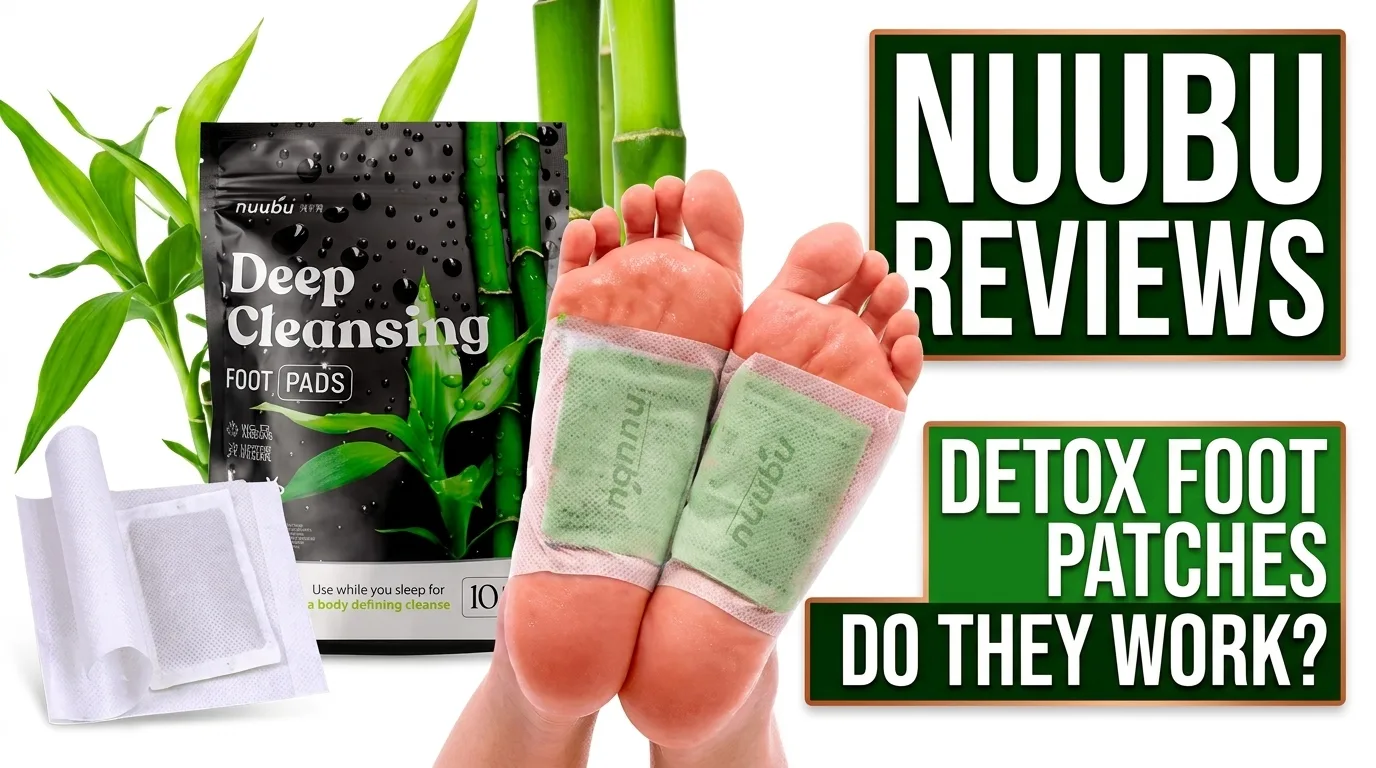
Nuubu sells itself as a “deep cleansing detox foot patch” inspired by traditional Asian medicine. The idea is simple: you peel off an adhesive pad, stick it to the sole of your foot before bed, sleep with it on for six to eight hours, and peel it off in the morning. The patch, which started white, will have turned dark brown or black. The company says this color change shows that toxins have been drawn out of your body through your feet.
The product comes in boxes of 10 patches, which gives you five nights of use (one patch per foot each night). There are variants including lavender and ginger, though the core ingredient list stays largely the same across them. You buy directly from the Nuubu website, and the price sits around $17.95 per box with the standard discount that runs almost permanently. Bundle deals bring the per-box cost down further.
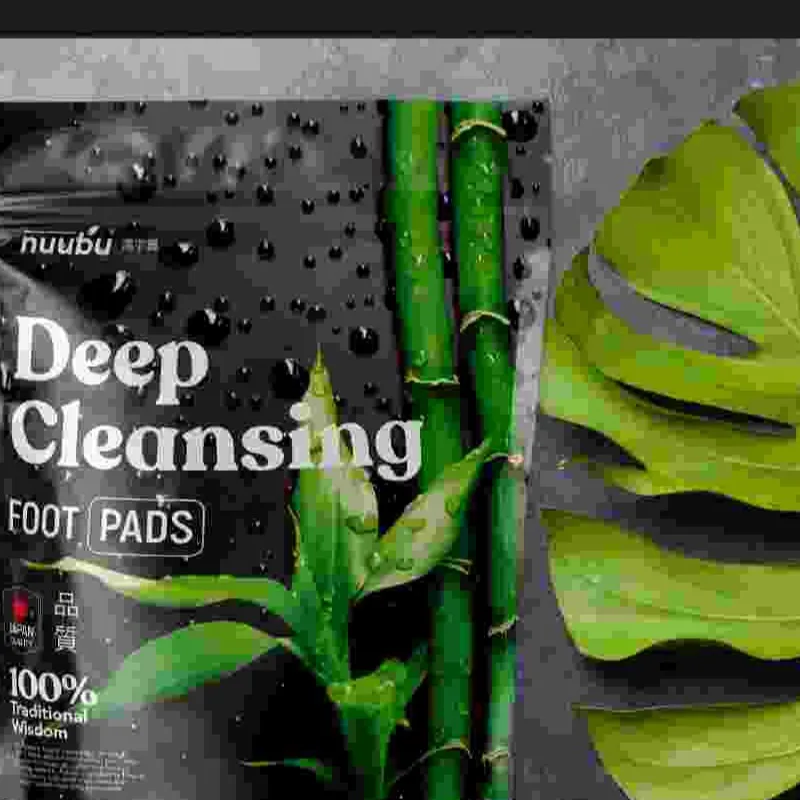
The ingredient list includes bamboo vinegar, wood vinegar, tourmaline, chitin, loquat leaf, houttuynia cordata, vitamin C, and dextrin. These are real, named ingredients, and several of them have a long history in traditional Asian wellness practices. The question is not whether the ingredients exist, but whether sticking them on your feet and watching them turn dark means anything is actually happening inside your body.
One thing to know before you order: Nuubu is a direct-to-consumer brand that sells only through its own website. The “70% off” promotion is essentially the permanent price, and the checkout process includes subscription options and upsells that some buyers have found confusing. Read the terms carefully before you commit.
How Do Nuubu Foot Patches Actually Work?
The pitch goes like this: your body has over 2,000 acupuncture points, with more than 60 concentrated on the soles of your feet. These points connect to your internal organs and bodily functions. The herbal ingredients in Nuubu patches interact with these pressure points, promote perspiration, and draw toxins out through your skin while you sleep. The dark color on the used patch is proof that it worked.
That sounds compelling. But here is what is actually happening.
When you stick a pad containing bamboo vinegar and wood vinegar to your foot and leave it there overnight, the vinegar-based ingredients react with the moisture from your sweat and the heat from your body. This causes oxidation, which turns the pad dark. The same reaction happens if you wet the pad with tap water, hold it over a cup of steam, or leave it in a humid bathroom. NPR tested a similar type of foot pad in a laboratory and found that the chemical composition was essentially the same before and after use. The pads darkened when they接触 any moisture source, regardless of whether a human foot was involved.
The body does eliminate some substances through sweat, including small amounts of water, salts, and trace elements. But the liver and kidneys are the organs that filter toxins from your blood. The skin’s role in toxin removal is minor and is not changed by applying a foot pad. A 2018 study published in the Journal of Heavy Metal Toxicity and Diseases analyzed foot pads used by 53 people and found no evidence that the pads promoted the elimination of toxic metals from the body.
Brent Bauer, the director of the Mayo Clinic’s complementary and integrative medicine program, has written that “no scientific studies have been published that show that detox foot pads work or that they’re safe.” The Federal Trade Commission has charged distributors of similar foot pad products with deceptive advertising, and a judge banned the sale of one company’s pads after finding the claims were false or unsupported.
So when Nuubu says the dark color means toxins are being removed, the scientific consensus is that it means the vinegar in the pad reacted with moisture. The ingredients are real. The tradition is real. The detox claim is not supported by evidence.
The Detox Claim vs. The Science
This is the section that matters most, because it determines whether you buy Nuubu as a fun wellness experiment or as a health treatment. They are very different purchases.
The body’s actual detox system is well understood. Your liver filters blood and breaks down toxins. Your kidneys filter waste into urine. Your intestines process and eliminate solid waste. Your lungs expel carbon dioxide. These organs work continuously, and they are remarkably efficient at what they do. The idea that a pad stuck to your foot can bypass or enhance these systems has no basis in human physiology.
Traditional Asian medicine does include foot-based therapies like reflexology and acupuncture, which target pressure points on the soles of the feet. These practices have their own body of evidence and their own theoretical framework. But reflexology and acupuncture are performed by trained practitioners using specific techniques. Sticking an adhesive pad to your foot and going to sleep is not the same thing, even if the marketing borrows the language.
The science-based medicine community has been blunt about this. Steven Novella, a clinical neurologist at Yale University, has explained that toxins in the body are filtered by the liver and kidneys, and foot pads simply change color due to the oxidation of chemicals in the pad. You cannot remove significant amounts of toxins through the skin, and most of the chemicals you would want to remove are colorless.
Professor Andrew McLachlan, dean of pharmacy at the University of Sydney, told fact-checkers there is no scientific basis or clinical evidence to support detox foot pad claims. Professor Harvey from an Australian university lodged a complaint with the Therapeutic Goods Administration for failing to act on complaints about detox foot patches, calling for regulatory action.
None of this means Nuubu is uniquely bad. The entire detox foot pad category makes the same unsupported claims. Nuubu just does it with slicker marketing and a higher price point than most.
Nuubu Foot Pads Ingredients: What’s Inside Each Pad
Understanding the ingredients helps you separate what might actually do something from what is just filler.
Bamboo vinegar. This is the primary active ingredient and the main reason the pads turn dark. Bamboo vinegar is produced when bamboo is burned and the smoke is condensed. It has been used in traditional Asian medicine for centuries as a topical treatment. In a foot pad, it reacts with moisture and heat to produce the dark color change. The vinegar itself has some mild antimicrobial properties, but there is no evidence it pulls toxins through skin.
Wood vinegar. Similar to bamboo vinegar but derived from wood. It contains pyroligneous acid, which can cause skin irritation in some people. The same moisture-reaction that turns the pad dark applies here. Wood vinegar is the ingredient most likely to cause the dramatic color change that looks impressive in the morning.
Tourmaline. A mineral that emits far infrared radiation when ground into a fine powder. Some research suggests tourmaline may have mild pain-relieving properties for conditions like rheumatoid arthritis, but the evidence is early-stage and the amounts in a foot pad are small. It is a real ingredient with a real theoretical mechanism, but the quantity in a pad is unlikely to produce a measurable effect.
Loquat leaf. An extract from the loquat tree, used in traditional medicine for respiratory and digestive complaints. In a foot pad, it contributes to the herbal scent and the general “natural” positioning. No strong evidence supports its effectiveness when applied topically to the feet.
Houttuynia cordata. A plant used in traditional Chinese and Southeast Asian medicine. It has documented antimicrobial and anti-inflammatory properties in laboratory settings. Whether those properties translate to anything meaningful when embedded in an adhesive pad on your foot is another question entirely.
Vitamin C. An antioxidant that the body needs in significant quantities. The amount in a foot pad is unlikely to be absorbed through the skin in any meaningful dose. Its presence is more about the “natural ingredients” marketing than any therapeutic function.
Chitin. A structural compound found in the exoskeletons of insects and crustaceans. In a foot pad, it serves as a binding agent and texture modifier. It does not have a detox function.
Dextrin. A starch derivative used as a binder and filler. It helps hold the pad together and control the release of the other ingredients. No detox function.
The takeaway: these are real ingredients with real histories in traditional medicine. Some of them have legitimate properties in laboratory settings. But the delivery method (stuck to your foot overnight) and the claimed mechanism (pulling toxins through the skin) are not supported by evidence. The ingredients might contribute to a pleasant herbal scent and a warming sensation, which some people find relaxing. That is a different claim than “detoxification.”
How to Use Nuubu Foot Pads (Step-by-Step)
The application process is genuinely simple, which is one of the product’s real strengths.
Step 1 — Clean your feet. Wash and dry the soles of your feet before application. Clean skin helps the adhesive stick better and gives the herbal ingredients direct contact with your skin.
Step 2 — Peel and place. Remove the backing from the patch and place it on the center of your foot sole with the soft (herbal) side touching your skin. Press firmly to make sure it adheres. The patch should cover the arch area, which is where the reflexology tradition places many of the key pressure points.
Step 3 — Wear overnight. Leave the patches on for six to eight hours while you sleep. You can wear socks over them to help them stay in place and to protect your sheets from any residue that might leak through.
Step 4 — Remove and inspect. In the morning, peel off the patches and look at the color. The patches will have turned dark brown or black. Discard them and wash your feet.
Step 5 — Repeat. Use fresh patches each night. The company recommends consistent nightly use for best results.
A few practical tips from my two weeks of testing. Wear socks over the patches, especially in the first few nights. The adhesive is decent but not bulletproof, and some residue can leak through and stain light-colored sheets. If you move around a lot in your sleep, the socks help keep the patches positioned correctly. The herbal scent is noticeable but not unpleasant, like a mild tea smell. If you are sensitive to fragrances, test one patch first.
My 2-Week Nuubu Foot Pads Experience
I wore Nuubu foot pads every night for 14 consecutive nights. I tracked three things each morning: the color of the patches, my sleep quality (using a sleep tracking app), and my energy level on a 1-10 scale. Here is what actually happened.
Nights 1-3: The Adjustment Period
The first night, the patches turned very dark, almost black. The color was dramatic and honestly a little alarming if you have never seen it before. The adhesive held well, though I wore socks over them as recommended. My feet felt warm during the night, which was pleasant.
My sleep quality that first night was average for me, and I woke up feeling about the same as usual. No burst of energy, no dramatic clarity, no tears of relief like some of the testimonials describe. My feet did feel noticeably softer when I took the patches off, which was the first real, tangible difference.
Night two, the patches were still dark but slightly less so than night one. Sleep quality was about the same. Night three, the patches were dark brown instead of black. I noticed my feet felt smoother, almost like I had used a foot scrub.
Nights 4-7: The Pattern Emerges
By the middle of the first week, a pattern settled in. The patches were consistently dark brown, getting slightly lighter each morning. My sleep app showed no dramatic improvement, though I did notice I was falling asleep a little faster, which I attribute more to the wind-down ritual of applying the patches than to anything pharmacological.
My energy levels were the same as usual. No boost, no crash, no noticeable change. What did change was how my feet felt. They were genuinely softer and smoother, which was a nice意外 that I was not expecting from a “detox” product.
Nights 8-14: The Full Picture
The second week confirmed what the first week suggested. The patches continued to lighten gradually. My sleep was about the same as my baseline. My energy was unchanged. My feet stayed soft.
One thing I noticed that I did not expect: I looked forward to the nightly application. There was something calming about the routine of cleaning my feet, applying the patches, putting on socks, and going to bed with the faint herbal scent. It became a small ritual that helped me transition from “work mode” to “sleep mode.” Whether that is the pads doing something or just the power of routine, I cannot say.
Patch Color Progression
| Night | Patch Color | Description |
|---|---|---|
| 1 | Black | Very dark, almost tar-like |
| 2 | Dark brown-black | Still very dark |
| 3 | Dark brown | Noticeably lighter than night 1 |
| 4-5 | Medium-dark brown | Continuing to lighten |
| 6-7 | Medium brown | Less dramatic than the first few nights |
| 8-10 | Light-medium brown | Settled into a consistent range |
| 11-14 | Light brown | Still dark, but much lighter than the start |
The lightening trend matches what other users report and what the company says should happen. The explanation is straightforward: as the vinegar-based ingredients react with moisture night after night, the available reactants get used up. The pad still darkens, but less dramatically. This is consistent with a chemical reaction, not with your body gradually becoming less toxic.
What I Liked About Nuubu Foot Pads
Ease of use. This is the simplest wellness product I have tested. Peel, stick, sleep, remove. No boiling water, no fitting, no apps to configure, no settings to adjust. If you can put on a Band-Aid, you can use Nuubu.
Soft feet. The one tangible, undeniable benefit. After two weeks, the skin on my soles was genuinely softer and smoother. The combination of the adhesive, the herbal ingredients, and the occlusion effect (covering the skin overnight) acted like an exfoliating treatment. This was real and consistent across both weeks.
The wind-down ritual. This surprised me. The nightly routine of cleaning my feet, applying the patches, and settling into bed became a small anchor point in my evening. I noticed I was more likely to put my phone down and actually wind down instead of scrolling until I passed out. The pads themselves probably had nothing to do with it, but the ritual around them was genuinely helpful.
Decent adhesive. The patches stayed in place all night on most nights. I move around in my sleep, and only once did a patch shift enough to need repositioning in the morning. For an adhesive product, that is solid performance.
No irritation. I have moderately sensitive skin and had no redness, itching, or irritation from the patches. This does not mean everyone will react the same way, wood vinegar can cause contact dermatitis in some people, but my experience was clean.
What I Didn’t Like
The detox claim is not supported by science. This is the big one. Nuubu’s marketing says the dark patches show toxins being removed from your body. The Mayo Clinic, the FTC, peer-reviewed studies, and independent lab tests all say the darkening is a chemical reaction with moisture. Presenting a vinegar-reaction as proof of detoxification is misleading, and it is the main reason the rating lands where it does.
Messy residue. Especially in the first few nights, the patches can leak a brownish residue that stains. I ruined one pair of light-colored socks and had to scrub a spot off my bedsheet. Wearing dark socks over the patches helps, but the mess factor is real and worth knowing about before you buy.
Subscription traps. The checkout process pushes subscription options and upsells aggressively. Multiple Trustpilot reviewers report being signed up for recurring shipments without clearly understanding they had agreed to them. Read every line at checkout. If you only want a one-time purchase, make sure that is what you are actually selecting.
The marketing overpromises. Testimonials describe people bursting into tears of joy, feeling invigorated for the first time in years, and having their entire lives changed by foot patches. That is not a realistic expectation for any topical wellness product. The gap between the marketing and reality is wide enough that it undermines trust.
No independent testing. I could not find any clinical study on Nuubu specifically. The company cites traditional Asian medicine and general ingredient properties, but there is no published research on whether these specific pads, at these concentrations, delivered through an adhesive foot patch, do anything measurable. That absence matters.
Nuubu vs Other Detox Foot Pads: Which Is Better?
The detox foot pad market is crowded. Here is how Nuubu stacks up against the main alternatives.
| Feature | Nuubu | Kinoki | Bandoo | BodyPure/Takara | Generic Amazon |
|---|---|---|---|---|---|
| Price (10 patches) | ~$17.95 | ~$8-12 | ~$12-15 | ~$25-40 | ~$8-15 |
| Adhesive quality | Good | Poor | Decent | Good | Variable |
| Ingredient transparency | Good | Moderate | Moderate | Good | Poor |
| Brand trust | Moderate | Low (FTC history) | Low-moderate | High | Low |
| Marketing honesty | Low | Low | Low | Moderate | Low |
| Available on Amazon | No (official only) | Yes | Yes | Yes | Yes |
| Guarantee | 60-day | Varies | Varies | 30-day | Store policy |
| Overall | Mid-range | Budget/bottom | Budget | Premium | Roll the dice |
Nuubu sits in the middle of the market. It is more expensive than Kinoki and generic pads, but it has better adhesive quality and more transparent ingredient labeling than the budget options. BodyPure and the original Japanese Takara pads are considered the premium tier, with higher-grade bamboo vinegar and more traditional formulations, but they cost significantly more and are harder to find outside of specialty retailers.
Kinoki is the brand that started the detox foot pad craze in the early 2000s and was later hit by FTC lawsuits for false advertising. Its adhesive quality is notoriously poor, and the pads often fall off during the night. Nuubu is a significant step up from Kinoki in user experience, though the detox claims are essentially the same.
The honest comparison: all of these pads do the same thing. They turn dark when they接触 moisture. None of them have scientific evidence for removing toxins. The differences are in adhesive quality, ingredient transparency, price, and how aggressively the brand misleads you.
Nuubu Foot Pads Pricing, Discounts & Guarantee
Nuubu runs a near-permanent “up to 70% off” promotion. The pricing tiers based on what the official site displays:
- 1 box (10 patches): ~$17.95
- 2 boxes (20 patches): ~$21.24 per box
- 4 boxes (40 patches): ~$17.49 per box
- 6 boxes (60 patches): ~$13.74 per box
The more you buy, the lower the per-box cost. The six-box bundle is the best value if you plan to use these long-term. But remember: the “regular” price of around $59.83 per box is essentially fictional. The promotional price is the real price, and the discount framing is a marketing tactic.
Shipping costs vary by region and can add a noticeable amount to the total. Check the final cart total including shipping before you commit.
The guarantee is 60 days from delivery. The process is: contact customer support, get a return authorization, ship the unused patches back. Some Trustpilot reviewers report slow or difficult refund processing, so keep your order confirmation and document everything. The guarantee is real, but the execution is not always smooth.
One red flag that shows up repeatedly in independent reviews: the subscription model. At checkout, Nuubu offers a “subscribe and save” option that automatically ships you more patches at regular intervals. Some buyers report being signed up for this without clearly understanding they had opted in. If you want a one-time purchase, read every line at checkout and make sure the subscription toggle is off.
Nuubu Foot Pads Side Effects & Safety
For most people with healthy skin, Nuubu foot pads are low risk. The ingredients are plant-based and the application is topical, so there is no internal ingestion involved. That said, a few things to know.
Skin irritation. Wood vinegar (pyroligneous acid) can cause contact dermatitis, redness, or itching in people with sensitive skin. The FDA’s DailyMed database lists the active ingredients and notes that pyroligneous acid is the component most likely to cause irritation. If you have sensitive skin, test one patch for a shorter period before committing to an overnight wear.
Allergic reactions. The ingredient list includes multiple plant extracts. If you have known allergies to any of them, check the full ingredient list on the packaging before use. Allergic reactions to topical herbal products are uncommon but not rare.
Broken skin. Do not apply the patches to broken skin, rashes, wounds, or irritated areas. The ingredients can sting and the adhesive can pull at healing tissue. This is common sense for any topical product, but it is worth stating explicitly.
Pregnancy and medication. If you are pregnant, nursing, or taking medication, consult a healthcare provider before using any herbal product. The ingredients are natural, but natural does not automatically mean safe in every context.
Staining. The residue from the patches can stain skin temporarily and can stain fabric permanently. Wear dark socks and use dark bedding if you are concerned about this.
The overall safety profile is acceptable for a topical wellness product. The risks are low for healthy adults. The main safety concern is not the product itself but the marketing, which may lead people to use foot pads instead of seeking actual medical treatment for real health conditions.
Nuubu Reviews: What Real Customers Are Saying
I read through hundreds of Nuubu reviews across Trustpilot, Amazon, Reddit, and consumer review sites to get the full picture beyond my own two-week test.
Trustpilot: 4.2/5 across 4,559 reviews. The positive reviews cluster around three themes: better sleep, reduced swelling in feet and legs, and the satisfaction of seeing the patches darken. The negative reviews focus on shipping delays, subscription billing confusion, and customer service responsiveness. Many of the one-star reviews are about the buying experience rather than the product itself.
Amazon reviews: mixed. People who bought Nuubu or similar foot pads on Amazon report variable quality. Some patches arrived with weak adhesive. Some turned dark immediately even before being worn. The authenticity of Amazon-sold Nuubu is questionable, since the company says it only sells through its official site.
Reddit: skeptical but not hostile. The general Reddit consensus is that the pads are easy to use and the color change is real, but the detox claim is marketing, not science. Several users report the same observation I made: softer feet and a relaxing routine, but no dramatic health changes. The most common advice is to buy from the official site to avoid counterfeits and to manage expectations.
Independent review sites: split. Some sites rate Nuubu highly, citing the traditional ingredient profile and the large number of positive reviews. Others, particularly science-focused sites, rate it poorly because the detox claims are unsupported. The split mirrors the broader debate about whether “wellness” products should be judged by their ingredients or by their claims.
The pattern across all sources is consistent: the product works as a relaxation ritual, the adhesive is decent, the feet feel softer, and the detox claim does not hold up. People who buy it as a fun experiment tend to be satisfied. People who buy it expecting a health transformation tend to be disappointed.
Who Should Buy Nuubu Foot Pads (and Who Shouldn’t)
Buy Nuubu if:
- You enjoy bedtime rituals and want a simple nightly routine to help you wind down
- You want softer, smoother feet in the morning with minimal effort
- You are curious about detox foot pads and want to try a well-known brand
- You understand that the dark color is a chemical reaction, not proof of toxin removal
- You approach it as a wellness experiment, not a medical treatment
If that sounds like you, grab a box through our link and use the 60-day guarantee to test them yourself.
Skip Nuubu if:
- You expect actual detoxification or toxin removal. The science does not support it.
- You have neuropathy, chronic pain, or a medical condition you are trying to treat. See a doctor instead.
- You have sensitive skin or known allergies to herbal ingredients. The wood vinegar can irritate.
- You hate subscription traps and upsells at checkout. Read every line carefully.
- You want proven, evidence-based foot care. A podiatrist-recommended insole or a clinical foot treatment will serve you better.
The middle ground, people who want a low-stakes wellness experiment and can afford the price, are the real audience. They are not buying a cure. They are buying a ritual with a visible, mildly interesting result. For that audience, the product delivers something, even if it is not what the marketing claims.
Final Verdict: Are Nuubu Foot Pads Worth It?
Nuubu foot pads are a wellness product wrapped in misleading marketing. The pads are easy to use, the adhesive is solid, and the nightly ritual can genuinely help you wind down. My feet felt softer after two weeks, and I appreciated the small anchor point in my evening routine.
But the core promise, that the dark patches prove toxins are leaving your body, is not supported by science. The Mayo Clinic, the FTC, independent lab tests, and published research all say the same thing: the color change is a chemical reaction between vinegar and moisture, not evidence of detoxification. Nuubu’s marketing leans into the detox narrative harder than it should, and that erodes trust.
At the price Nuubu charges, the value depends entirely on what you are buying. If you want a fun, harmless bedtime ritual that leaves your feet feeling softer, the product works. If you want actual health benefits backed by evidence, you are better off investing in proven sleep hygiene, a conversation with your doctor, or evidence-based foot care products.
The 5.5 rating reflects that split. Half the product, the usability and the ritual, is genuinely good. The other half, the claims and the marketing honesty, does not hold up. If you go in clear-eyed about what it is, Nuubu can be a pleasant addition to your nighttime routine. Just do not expect it to do what the ads promise.
Check the current Nuubu price and decide for yourself.
Rating: 5.5/10 — A harmless relaxation ritual with soft-feet benefits, undermined by unsupported detox claims and aggressive marketing.
Key Specifications
| Product Type | Herbal detox foot patch |
| Key Ingredients | Bamboo vinegar, wood vinegar, tourmaline, loquat leaf, vitamin C, chitin, houttuynia cordata, dextrin |
| Patch Count | 10 patches per box (5 nights) |
| Wear Time | 6-8 hours overnight |
| Application | Adhesive pad applied to sole of foot |
| Price | ~$17.95 per box (10 patches), bundles up to 70% off |
| Guarantee | 60-day money-back (per official policy) |
| Where to Buy | Official Nuubu site only |
Quick verdict
The honest trade-off
What we liked
5- Dead simple to use — peel, stick, sleep, remove in the morning
- Feet felt noticeably softer and smoother after the first week
- The overnight ritual helped me wind down before bed
- Patches stayed in place all night with decent adhesive
- Visible color change on the patch each morning, which some people find satisfying
What gave us pause
5- No scientific evidence that the dark color represents actual toxin removal
- Mayo Clinic, FTC, and multiple studies say detox foot pads do not work as claimed
- Can leak residue and stain sheets, especially in the first few nights
- Misleading marketing that overstates what vinegar-soaked pads can do
- Subscription traps and upsells during checkout caught several buyers off guard
Rating Breakdown
Frequently Asked Questions
Do Nuubu foot pads actually remove toxins?
Why do Nuubu foot pads turn dark?
Are Nuubu foot pads safe to use?
How much do Nuubu foot pads cost?
Can Nuubu help with neuropathy or foot pain?
Where can I buy Nuubu foot pads?
Is Nuubu a scam?
How long does it take to see results with Nuubu?
Are there better alternatives to Nuubu foot pads?
Do Nuubu foot pads help you sleep better?

Dr. Sarah Kim
Health tech researcher and wellness gadget reviewer. PhD in Biomedical Engineering. Tests sleep trackers, massage devices, and health monitors with clinical precision. Believes in data-driven wellness.
Affiliate disclosure:this Nuubu Reviews 2026: Do These Detox Foot Patches Actually Work? review contains affiliate links. If you buy through them, GearPuff may earn a commission at no extra cost to you. It keeps our testing independent and our reviews free. I bought this unit myself.