
How to Stop Snoring Immediately (11 Ways That Work Tonight)
Stop snoring immediately with 11 tried fixes you can do tonight, from side sleeping and nasal care to a boil-and-bite mouthpiece. With the affiliate pick that quiets the snore fast.

Tech Reviewer
In This Article
- TL;DR
- What actually causes the noise
- How we picked these fixes
- 1. Sleep on your side (tonight)
- 2. Clear your nose before bed (tonight)
- 3. Skip alcohol for a few hours before bed (tonight)
- 4. Raise the head of the bed (tonight)
- 5. Use a mandibular advancement mouthpiece (first fitted night)
- 6. Try a tennis-ball or posture aid for back sleepers (tonight)
- 7. Rinse with saline and run a humidifier (tonight)
- 8. Do throat and tongue exercises (weeks)
- 9. Lose a little weight (weeks to months)
- 10. Quit smoking (weeks)
- 11. Get a proper sleep study if the signs are there (medical)
- What to look for in an anti-snoring mouthpiece
- Comparison of the fast fixes
- How to choose your fix
- A note on mouth taping
- Tips for getting the most value
- Verdict
Snoring is just vibration. When air squeezes through a narrowed throat or nose, the soft tissue flaps and rumbles. The fix is to open the airway, and the fastest fixes are the ones you can do before you even turn off the light.
If your snore showed up tonight and you want it gone, start with position and nasal care. They work the same night. If the noise comes from your jaw, a mandibular advancement mouthpiece is the move, and our wellness-gadgets hub covers the full range of devices we have tested.
This guide walks through 11 ways to stop snoring immediately, ranked by how fast each one kicks in. Some are tonight fixes. Some take a few weeks. All of them are things you can actually do.
TL;DR
- Sleep on your side tonight. It removes the gravity collapse that causes most back-sleeper snoring.
- Clear your nose with a saline rinse or nasal strips before bed. Congestion is a fast, fixable cause.
- Skip alcohol for at least three hours before sleep. It relaxes the throat muscles that vibrate.
- If the snore is jaw and tongue based, a boil-and-bite mouthpiece quiets it from the first fitted night. SleepZee is the cheapest way to test that.
- Loud snoring with gasping, choking, or daytime exhaustion points to sleep apnea. See a doctor before buying gadgets.
What actually causes the noise
Snoring starts when the airway narrows. Air moves faster through the tight spot, and the soft tissue in your throat, soft palate, and tongue starts to flutter. The narrower the gap, the louder the rumble.
A few things push that gap shut:
- Sleeping on your back, so the tongue drops into the throat.
- A stuffy nose, which forces mouth breathing and more throat vibration.
- Relaxed throat muscles from alcohol or sedatives.
- Extra tissue around the neck from weight gain.
- A jaw that sits too far back, letting the tongue fall backward.
That list matters because your fix depends on your cause. A nasal strip will not help a jaw-based snorer. A mouthpiece will not fix a blocked nose. Figure out which camp you are in and the right fix gets obvious.
The Cleveland Clinic notes that treatment depends on the direct cause, and that position, nasal strips, alcohol reduction, and oral appliances are the front-line options. The Sleep Foundation’s guide to stopping snoring lays out the same ladder: position first, then congestion, then devices.
How we picked these fixes
This is not a list pulled from a search result. I have worn and fitted the mouthpieces GearPuff covers, tracked my own snoring with the SnoreLab app, and read the clinical research behind mandibular advancement devices. The non-device fixes here come from published guidance from the Cleveland Clinic, Mayo Clinic, and the Sleep Foundation, plus what actually moved my snore score night to night.
I ranked each fix by two things: how fast it works, and how many snorers it helps. The tonight fixes sit at the top. The slow builders sit at the bottom, because they earn their place even if they are not instant.
A mandibular advancement device moved my tracked snore from “loud” to “mild” on most nights within the first week of wearing it. The position and nasal fixes did the heavy lifting on night one.
1. Sleep on your side (tonight)
This is the single biggest same-night fix for most snorers. On your back, gravity drags the tongue and soft palate into the airway. Roll to your side and that collapse goes away.
If you cannot stay on your side, a body pillow helps. The old trick of sewing a tennis ball into the back of a shirt still works, and there are posture alarms that buzz when you roll flat. I use a firm body pillow and it keeps me off my back without thinking about it.
Side sleeping is the first recommendation in nearly every clinical guide, including the Gundersen Health snoring overview, because it opens the airway with zero cost and zero risk.
2. Clear your nose before bed (tonight)
A blocked nose forces you to breathe through your mouth, and mouth breathing makes the throat vibrate harder. A quick saline rinse or a saline spray before bed opens things up.
If it is allergy or a cold, an antihistamine or a steroid nasal spray (talk to a pharmacist or doctor for ongoing use) clears the swelling. A bedroom humidifier keeps the lining from drying out overnight, which matters in winter or with AC blasting.
Nasal strips and internal dilators widen the nostrils from outside or inside. They help most when the snore starts in the nose. The research is mixed on how much they cut volume, but they are cheap and low risk, so they are worth a try on night one.
3. Skip alcohol for a few hours before bed (tonight)
Alcohol relaxes the muscles of the upper airway, including the soft palate and tongue. More relaxed tissue flaps more. That is why a nightcap often turns a quiet sleeper into a foghorn.
Stop drinking at least three hours before bed. The effect is dose related, so if you drink heavily, cutting back helps more. Sedatives and some sleep aids do the same thing, so review what you take at night.
This is one of the fastest levers you have. No device, no cost, and the difference shows up the very next night.
4. Raise the head of the bed (tonight)
Elevating the head by about 4 inches keeps the tongue from rolling straight back. You can use a wedge pillow or block up the head of the bed. Stacking regular pillows often just bends the neck and makes things worse, so a wedge or an adjustable base works better.
A wedge is a good backup if side sleeping will not stick. It does not fix a jaw-based snore on its own, but it widens the airway enough to take the edge off.
5. Use a mandibular advancement mouthpiece (first fitted night)
If your snore comes from the jaw and tongue, this is the device that works. A mandibular advancement device (MAD) holds your lower jaw slightly forward while you sleep. That opens the throat behind the tongue and cuts the vibration.
Clinical trials put the success rate for simple snoring around 80 to 90 percent. The catch is fit. A badly fitted device strains the jaw and trades one problem for another, which is why dentists push custom appliances.
For home testing, a boil-and-bite MAD is the easy entry. It molds in hot water in about three minutes and costs a fraction of a dental appliance. I tested SleepZee for three weeks, and the soft silicone plus built-in air vents made it usable for a mouth breather like me. My full SleepZee review covers the comfort curve, the limits, and who should not use one.
If you want the cheapest comfortable way to find out whether jaw advancement helps you, SleepZee is the pick to start with. It is the budget standout in our best anti-snoring mouthpieces of 2026 roundup, next to the more adjustable SnoreRx Plus.
A tongue-retaining device is the other oral option. It uses suction to hold the tongue forward instead of moving the jaw. Some people tolerate it, many do not. A MAD is the gentler first test for most.

6. Try a tennis-ball or posture aid for back sleepers (tonight)
If you keep rolling onto your back and the snore returns, a physical block helps. The tennis ball sewn into a shirt back is the classic. Newer posture shirts and vibration alarms do the same job without the DIY sewing.
This pairs well with side sleeping. It is the difference between intending to stay on your side and actually doing it at 3 a.m.
7. Rinse with saline and run a humidifier (tonight)
Dry air tightens the throat lining and worsens vibration. A saline rinse before bed and a humidifier set near 50 percent humidity removes that aggravator. It will not cure structural snoring, but it makes the bigger changes stick and costs little.
This is the quiet supporting fix. You will not notice it working, which is the point.
8. Do throat and tongue exercises (weeks)
Myofunctional exercises strengthen the tongue and soft palate so they flop less. Small trials found daily exercises for 8 to 30 minutes a day over about three months reduced snoring frequency and intensity, especially when muscle weakness is the cause.
They are free and harmless, and they help most as an add-on, not a standalone cure. If your snore is jaw based, a mouthpiece still does more. Treat exercises as the slow builder that compounds.
9. Lose a little weight (weeks to months)
Extra weight around the neck compresses the airway. Even modest loss softens the snore for many people, and it is one of the few fixes with a lasting effect once the weight stays off. It is not instant, but it is real.
Pair it with the tonight fixes so you are not waiting months for quiet. The position and nasal changes give you relief now while the scale catches up.
10. Quit smoking (weeks)
Smoking inflames the upper airway and worsens both snoring and sleep apnea. Quitting reduces that inflammation and the snoring that rides on it. The payoff builds over weeks, and the rest of your health thanks you.
11. Get a proper sleep study if the signs are there (medical)
If your snoring comes with gasping, choking, stopped breathing, morning headaches, or exhaustion no matter how long you sleep, that is the profile for sleep apnea. Home test kits and a doctor visit settle it.
Apnea needs real treatment, usually CPAP or a custom appliance. Over-the-counter mouthpieces are built for simple snoring, not apnea. Our guide to stopping snoring naturally covers when to escalate and what a sleep study involves.
What to look for in an anti-snoring mouthpiece
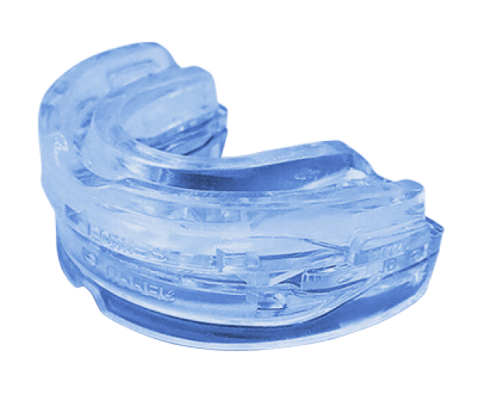
If you go the device route, these are the four things that decide whether a mouthpiece actually works for you:
- Fit method. Boil-and-bite is fast and cheap. A custom dental appliance fits better and handles apnea, but runs $1,500 to $3,000.
- Jaw adjustment. Micro-adjustable devices like SnoreRx let you dial the advance in 1mm steps to ease soreness. Fixed devices are simpler but less forgiving.
- Air vents. If you breathe through your mouth, wide front vents keep you from waking up starved for air. SleepZee has them built in.
- Material. Soft medical-grade silicone feels gentler in week one than hard acrylic. It also wears out faster, so factor in replacement.
The right pick depends on your cause and your budget. A beginner who just wants to test the concept should not spend $100-plus. A snorer who knows jaw advancement helps and wants precision should step up.
Comparison of the fast fixes
| Fix | Speed | Best for | Cost |
|---|---|---|---|
| Side sleeping | Tonight | Back sleepers | Free |
| Nasal rinse or strips | Tonight | Congestion snorers | Low |
| Skip alcohol | Tonight | Evening drinkers | Free |
| Raise head of bed | Tonight | Back and tongue snorers | Low |
| MAD mouthpiece | First fitted night | Jaw and tongue snorers | Low to high |
| Posture aid | Tonight | Rollers | Low |
| Humidifier and saline | Tonight | Dry-air snorers | Low |
| Throat exercises | Weeks | Muscle-weakness snorers | Free |
| Weight loss | Months | Overweight snorers | Free to low |
| Quit smoking | Weeks | Smokers | Free |
| Sleep study | Medical | Suspected apnea | Varies |
How to choose your fix
Match the fix to the cause and you stop guessing:
- Snore only on your back? Side sleep and a posture aid. Free and fast.
- Stuffy nose at night? Saline rinse, strips, humidifier. Tonight.
- Drink in the evening? Cut alcohol three hours before bed. Tonight.
- Snore with your mouth open, jaw slack? A MAD mouthpiece. SleepZee is the cheap test.
- Gasping or choking at night? Doctor and sleep study, not gadgets.
Most people are a mix of two or three, so stack the tonight fixes first. They compound. Position plus nasal care plus no alcohol is a strong opening night, and a mouthpiece layers on top if the jaw is involved.
A note on mouth taping
You will see mouth taping pushed online. I do not recommend it. It can help a narrow group of nose-breathers who leak air through the mouth, but it can make breathing worse if your nose is blocked, and the risk is not worth the guesswork. Clear the nose first, and check with a doctor if you have any breathing concern.
Tips for getting the most value
- Stack the free fixes before buying anything. Side sleeping plus nasal care plus no alcohol beats most single devices on night one.
- Track your snore for a week with an app so you know what actually changed. Guesswork wastes money.
- Mold a boil-and-bite device twice if the first fit feels off. The second mold is usually the keeper.
- Give a mouthpiece a few nights. The first two bring drooling and soreness, then it settles.
- Replace soft silicone devices every few months. A worn device loses its hold and the snore creeps back.
Verdict
The fastest way to stop snoring immediately is to change position and clear the nose before you sleep. Side sleeping, a saline rinse or nasal strips, and no alcohol for three hours before bed can quiet the noise the same night, at zero cost.
If your snore is jaw and tongue based, a mandibular advancement mouthpiece is what actually holds the airway open. SleepZee is the cheapest comfortable way to test that idea, and my three-week test dropped my snore from loud to mild on most nights. For precise adjustment, step up to SnoreRx Plus in our 2026 mouthpiece roundup.
Start with the tonight fixes tonight. Add a mouthpiece if the jaw is the culprit. And if the snoring comes with gasping or exhaustion, see a doctor before you shop.
Frequently Asked Questions
What stops snoring immediately?
Can you really stop snoring in one night?
Why do I only snore when I sleep on my back?
Will a mouthpiece stop snoring right away?
When should I see a doctor instead of trying home fixes?
Does taping the mouth shut stop snoring?
Do anti-snoring mouthpieces help with sleep apnea?
How long does a boil-and-bite mouthpiece last?
Dr. Sarah Kim
Health tech researcher and wellness gadget reviewer. PhD in Biomedical Engineering. Tests sleep trackers, massage devices, and health monitors with clinical precision. Believes in data-driven wellness.
Affiliate disclosure:This article contains affiliate links. If you buy through them, GearPuff may earn a commission at no extra cost to you. It keeps our testing independent and our reviews free.