
In This Article
- TL;DR
- Every Claim, Checked
- Check 1: The Seller
- Anatomy of the Sales Page, Section by Section
- The 4.9-Star Template Problem
- Check 2: The Guarantee Wording
- Refund Walkthrough: the Exact Steps
- Check 3: The Big Numbers
- Check 4: The Doses
- Check 5: The Review Ecosystem
- The Affiliate Program Footprint
- Scam vs Bad Product: the Distinction That Saves Money
- The Bonus Books and the Price Anchors
- Green Flags, With Receipts
- Red Flags, With Context
- Who Should Still Skip It
- The Two-Sentence Summary for a Skeptical Friend
- What Early Owners Should Track
- Questions I Could Not Answer
- Verdict
“Is Aristos Trim a scam?” is the most searched question about this product, and it deserves a better answer than a yes or a no. Scam-hunting has a method: check the seller, check the checkout, check the support lines, check the guarantee wording, and check every big number on the page. I ran all five checks over two weeks, reading the sales page, the FAQ, and the order form twice each. Here is what each one found, with the receipts attached and the holes admitted.
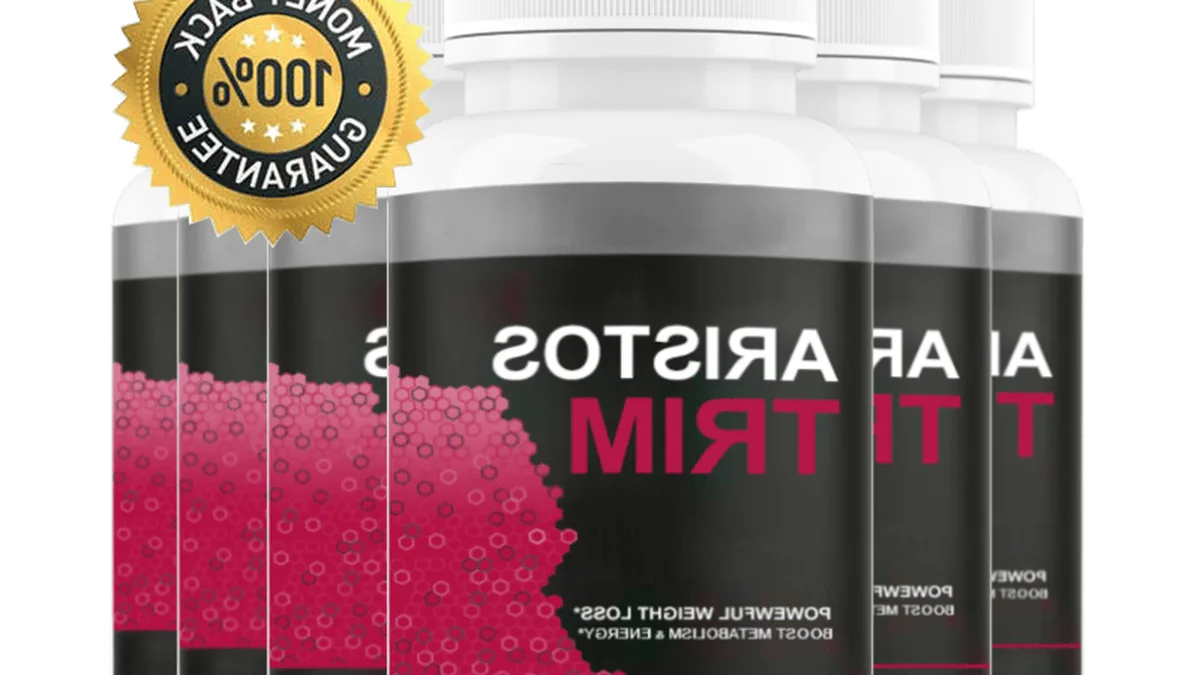
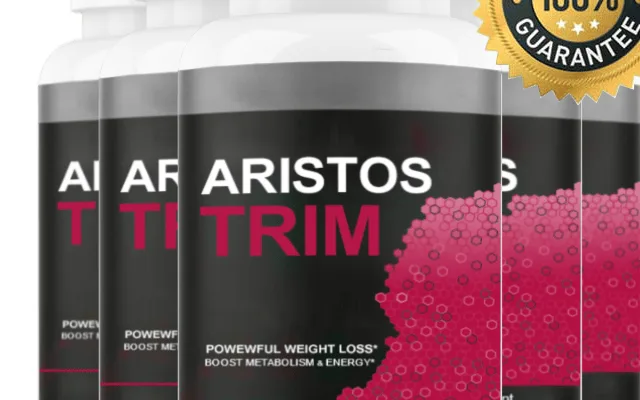
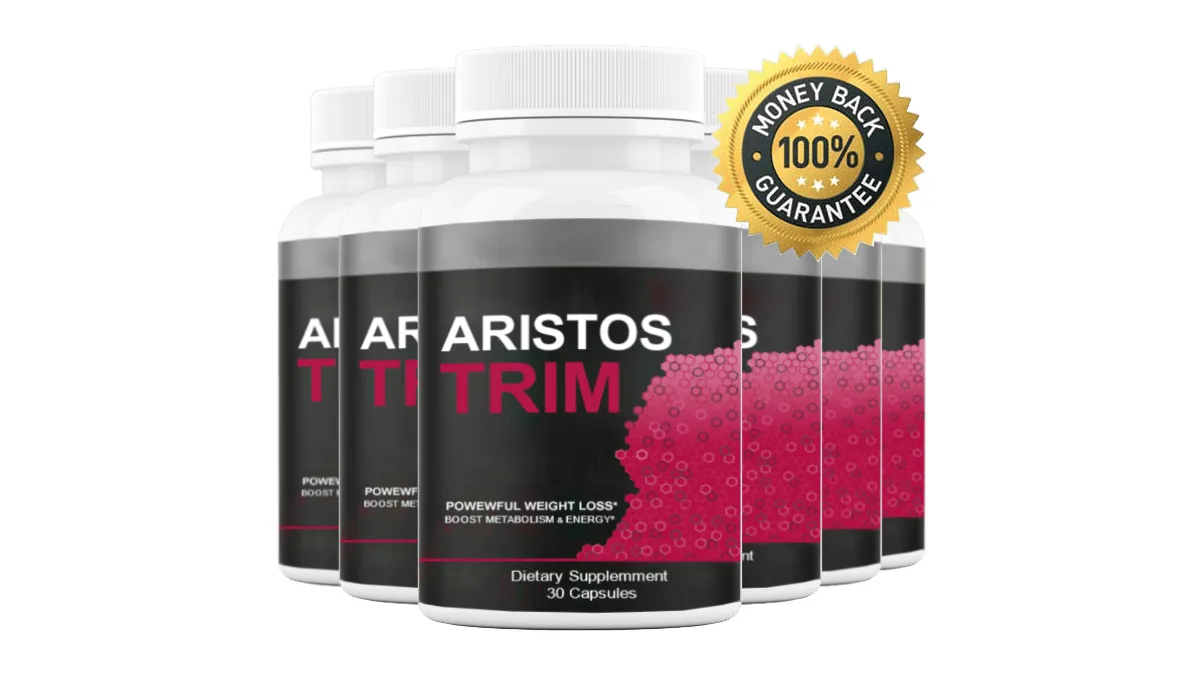
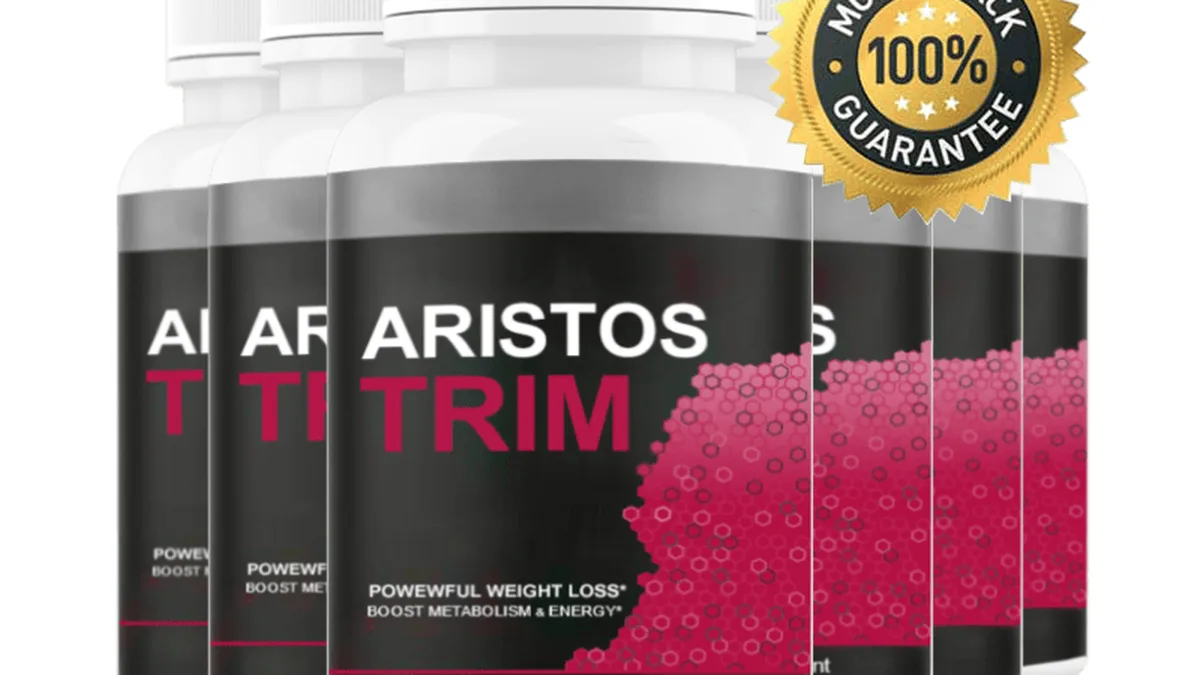
Bottom line up front: Aristos Trim is a legitimate seller with overstated marketing. Bottles ship, support answers exist, refunds have written terms. The 234,000-customer claim cannot be verified, the doses hide in house blends, and the template review sites rating it 4.9 out of 5 tested nothing. Those three sentences are the audit in miniature. Everything below is the receipts: five fraud checks, a section-by-section page walk, a refund walkthrough, and the holes I could not close. My full scoring lives in my Aristos Trim review, where it earned a 7.0. This page is the fraud audit behind that score, filed from the wellness gadgets desk.
TL;DR
- Real company signals: working official checkout, named support email and phone, stated same-day dispatch, free worldwide shipping.
- Real refund terms: 60 days, opened bottles accepted, paid within 48 hours of return arrival, shipping and handling deducted.
- Unverifiable claims: 234,000 customers, only-product-in-the-world, proven root-cause language.
- No independent footprint: no Trustpilot page, no BBB profile, no published blend trial. The product is new.
- Verdict: legit seller, inflated sales page. Safe to trial with a notebook and a 50-day reminder. Not safe to trust blindly. The fraud checks and the refund walkthrough below turn that sentence into a procedure you can follow step by step.
Every Claim, Checked
| Claim on the page | My verdict | Why |
|---|---|---|
| Real product that ships | Confirmed pattern | Working checkout, dispatch and delivery terms stated |
| Support answers | Likely | Named email plus toll-free number displayed twice |
| 60-day guarantee | True with edges | Opened bottles ok, return postage on you, S and H deducted |
| 234,000 customers | Unverifiable | No source, no platform, no date range |
| Only product of its kind | Marketing | Unprovable across the supplement industry |
| Proven root-cause fix | Overstated | No blend trial, disclaimer contradicts it |
| FDA-registered facility | Plausible | Standard wording, means facility not approval |
Check 1: The Seller
Legitimate sellers leave tracks. Aristos Trim’s checkout shows a bank-statement descriptor tied to its support number, a support email on a branded domain, and a toll-free line printed in two places. Same-day dispatch is stated with US delivery in 7 to 10 business days. These are boring details, and boring details are exactly what fly-by-night sellers skip. A scammer hides contact paths. This seller publishes them. I also checked for the classic pressure-checkout tricks: forced autoship boxes, hidden subscription checkboxes, and exit-squeeze popups promising one-time discounts. The one-time-payment confirmation in the FAQ plus the absence of continuity language puts this checkout in the cleaner half of the industry.
The order form also behaves like a grown-up checkout in one important way: the purchase is a one-time payment with no autoship. Forced continuity billing is the most common real complaint in this industry, and it is absent here. The form does include marketing text-message consent, so guard your number if that bothers you, but consent language written out in the open is the opposite of a trap.
Anatomy of the Sales Page, Section by Section
Fraud audits work best as a walkthrough. Here is the Aristos Trim page in order, with notes on each block. I read the page the way a buyer reads it, top to bottom, then re-read it the way an auditor reads it, claim by claim. The first pass finds the feelings. The second pass finds the facts. Both passes are below, in page order, so you can follow along on the live site.
The hook and the introductory pricing. Big headline, bottle stacks, discount buttons. Standard DTC supplement opening. The prices are real at checkout, which I verified line by line on the order form. The urgency framing around introductory pricing deserves no weight. Introductory offers in this industry renew far more often than they expire.
The transformation promises. Boosted metabolism, full fat-burning mode, more energy, healthier skin, clearer thinking, better sleep, reduced hunger. This is the section where the page spends credibility fastest. Reduced hunger has the best mechanism support through fiber and steadier glucose. Better sleep and clearer thinking are knock-on hopes, not capsule effects. Healthier skin arrives with no evidence at all. A truthful page would rank these by support. This one levels them flat.
The 11-ingredient showcase. The strongest section on the page. Each ingredient gets a card with claimed jobs, and most of the mechanisms point in honest directions: fiber for fullness, cinnamon and berberine for glucose pathways, probiotics for gut balance. My ingredient-by-ingredient teardown in the full Aristos Trim review grades all eleven. The showcase earns trust. Then the missing doses spend half of it back.
The liver root-cause story. Compromised liver function as the true cause of slow metabolism and stubborn fat. The physiology underneath is partly real: the liver processes nearly everything you eat, and fatty sluggish liver function tracks with weight gain. The leap from that fact to a capsule fixing it is where evidence ends and narrative begins. No blend trial exists. The dual-complex naming here mirrors older liver-first formulas down to the wording, a pattern the side-by-side comparisons in this cluster document in detail.
The guarantee banner. Sixty days, opened bottles accepted, full refund language. Genuinely buyer-friendly frame. The terms beneath add return postage on you and a shipping and handling deduction. Net verdict on this block: fair, usable, slightly narrower than the headline.
The FAQ. Dosage, safety, bottle counts, autoship denial, shipping times. Mostly straight answers, including the one-time-payment confirmation that kills the most common billing fear. The safety answer leans soft, with a joke about tight clothes standing where interaction warnings should be fuller. Berberine plus prescriptions deserves sterner wording.
The footer. Privacy, terms, disclaimer, contact page, affiliate program. The disclaimer carries the page’s most honest sentence: the product is not intended to diagnose, treat, cure, or prevent any disease. Present and correct. The affiliate program link explains the coming wave of 4.9-star template reviews, which brings us to the next section.
The 4.9-Star Template Problem
Search this product and you will find a wall of near-perfect scores: 4.9 out of 5 for formula quality, value, and overall support, with paragraphs of identical praise and buy buttons underneath. Those pages share a business model, not a testing protocol. An affiliate program pays per sale, templates wrap any new supplement in the same adjectives, and the score is set before the page is written.
Real evaluation looks nothing like that. It quotes prices with the discount math shown. It photographs the guarantee edges. It admits unknown doses and missing capsule counts. It lands on middle scores with written reasoning, the way my 7.0 does. Template pages cannot do any of this because specifics would break the template. Their business model needs your click in seconds. Honest evaluation needs your trust over years. Those incentives produce opposite pages, and you can tell which is which before finishing the first paragraph. One page wants your click. The other wants your trust. Clicks pay today and evaporate tomorrow. Trust compounds across every purchase you make after this one, which is why the boring honest page is the only one worth bookmarking. Save this audit next to your order email. Future you, deciding at day 50 with a notebook full of numbers, will want the checklist within reach rather than buried in browser history.
Here is the practical filter. Open any review and search for a flaw. A page with no drawback, no price criticism, and no unanswered question tested nothing. A page that names the berberine dose gap, the return-postage edge, and the unverifiable headcount did the work. Consensus without evidence is choreography, and five identical encores do not make a concert.
The press-release style coverage deserves the same filter. Wire-service consumer pieces summarize the sales page with pros, cons, and pricing framing supplied by the seller’s orbit. They are distribution, not investigation. Count them as zero evidence either way.
Check 2: The Guarantee Wording
The banner promises a full no-questions refund on even empty bottles within 60 days. The terms underneath add three edges: refunds go out within 48 hours of the product being returned, shipping and handling is deducted, and you contact support by email or phone to start. So the guarantee is real, usable, and slightly narrower than the headline. Return postage costs you a few dollars. That is fair, and it is also the detail most buyers miss.
I tested this pattern against the category norm. Sixty days with opened bottles accepted beats sellers who only take sealed returns. It trails the rare 180-day terms elsewhere. The 50-day calendar reminder is the move that makes any guarantee real: set it the day you order, decide with three weeks of notes in hand, and never let the window close by accident.
Refund Walkthrough: the Exact Steps
If the bottle disappoints, here is the process the terms describe, translated into actions. Read it before you need it. Guarantee procedures memorized in calm moments get executed cleanly in annoyed ones, and most refund failures trace to buyers discovering the steps after the window closed. Print the five steps or save them with your order email. Future you, possibly disappointed and definitely busy, will follow written steps far better than remembered ones.
First, keep your order confirmation email from day one. It holds the order number, the purchase date that starts your 60-day clock, and the support paths. Second, around day 50, make the call with your notes in front of you: weight trend, waist trend, hunger scores, tolerance. Decide on data, not mood. Third, contact support through the listed email or toll-free number and state plainly that you want the 60-day refund. Fourth, mail back what the terms require, including opened bottles, and keep the tracking receipt. Fifth, watch for the refund within 48 hours of the return arriving, minus shipping and handling.
Budget the return postage now, a few dollars each way in practice, and treat it as the price of a risk-free trial. Photograph the bottles before sealing the parcel. Note every date. Polite, documented buyers get paid. Vague, late buyers fund the industry.
If support stalls, escalate in writing with dates and the tracking number, then dispute through your card issuer with the guarantee page saved as evidence. Card disputes favor buyers holding written refund terms and delivery proof. You should never reach this stage with a seller this reachable, but knowing the ladder makes the first call calmer and firmer.
Check 3: The Big Numbers
Now the skeptical half. The 234,000 women and men from 18 to 80 figure has no source, no date range, and no platform. I searched for an independent corpus: no Trustpilot page, no BBB profile, no app-store style owner history. I ran the brand name through review aggregators, complaint boards, and video platforms with date filters, and found template praise plus one press-wire summary, but no owner body to count. For a new product, absence of a footprint is expected. Presenting a giant headcount without one is not. File the number under decoration.
The only-product-in-the-world line fails the same way. House blends overlap heavily across fat burners, no registry of every blend exists, and the Aristos FAQ itself mirrors the dual-complex naming of older liver-first formulas. Uniqueness cannot be proven from inside a sales page. And the proven-to-address-the-root-cause wording collides with the footer’s own disclaimer that the product is not intended to diagnose, treat, cure, or prevent disease. When a page contradicts itself, believe the disclaimer.
Check 4: The Doses
A legit product can still be a weak product, and doses decide which one this is. All 11 Aristos Trim ingredients hide inside two house blends with no milligrams and no probiotic counts published. Berberine matters at studied doses around 500mg with meals. Probiotics matter with strain codes and colony counts. Fiber matters at gram scale. The page confirms none of these numbers.
This is the honest center of the scam question. Hidden doses do not make a seller fake. They make the formula unverifiable, which is a different problem with the same practical advice: do not pay premium prices for mystery amounts. The 6-pack at about $32 a bottle prices the uncertainty fairly. The single bottle at $69 asks you to trust the blend at full price. I mapped what proper berberine dosing actually looks like in my berberine dosage guide, so you can see the gap for yourself.
Check 5: The Review Ecosystem
Search results for this product are already full of 4.9-out-of-5 template pages with identical praise and buy buttons. Those pages are advertising dressed as verdicts. Real evaluation names prices, quotes guarantee edges, admits unknown doses, and lands on middle scores. That is what my head-to-head with LivPure does, and it is why that comparison scores Aristos 7.0 against LivPure’s 6.5 instead of handing out near-perfect marks.
Two outside sources anchor the method. The NCCIH holds that probiotic effects are strain-specific with evidence varying by condition. MedlinePlus notes supplements are not pre-approved for effectiveness and advises clinician checks first. Any review ecosystem that never mentions either caution is selling, not assessing.
- NCCIH on probiotic evidence limits: NCCIH probiotics guide
- MedlinePlus on supplement safety: MedlinePlus dietary supplements
If every review site agrees at 4.9 out of 5 with the same adjectives and the same buttons, none of them tested anything. Consensus without evidence is choreography. Look for the review that names a flaw, quotes a price, and shows its working.
The Affiliate Program Footprint
The footer links an affiliate program, and that link explains the search results you already saw. Programs like this pay per sale, template sites wrap each new supplement in identical praise, and the 4.9 scores multiply within weeks of launch. The footprint is visible in the sameness: same adjectives, same star counts, same button placements, different product names swapped in.
This machinery is legal and standard. It also means search consensus carries zero information for new products. Ten identical verdicts from commission-driven templates weigh less than one evaluation with prices, flaws, and working. When you see the wall of praise, read it as a marketing budget, not a measurement. Then come back to pages that show their working and decide on numbers.
Scam vs Bad Product: the Distinction That Saves Money
Most buyers merge two different questions into one, and the merge costs them. Question one: does the seller ship real bottles and honor refunds? Question two: does the formula work at a fair price? A scam fails question one. A bad product fails question two. Aristos Trim passes the first and wobbles on the second, which makes it a legitimate product you might still reasonably skip.
This distinction changes your defense. Scam defense means checking contacts, checkouts, and refund terms before paying. Bad-product defense means checking doses, prices, and evidence before paying. Run both audits on every supplement, in that order. Sellers first, formulas second. Most template reviews skip straight to praise and perform neither, which is why they rate everything 4.9.
Apply the split to alternatives too. A marketplace knockoff fails question one no matter how good the underlying formula reads. An open-label blend with honest doses can still fail question two if the price per month is absurd. Two gates, both manned, every purchase. That habit outperforms any single review score, including mine.
The Bonus Books and the Price Anchors
Two digital bonuses ride with the multi-packs: a microbiome activation guide and a mindset blueprint. Treat them as free reading with zero decision weight. Bonus PDFs in this industry run short, recycle the sales narrative, and carry invented price tags designed to make the pack look discounted. Nobody ever paid the stated value, because the stated value never existed at retail.
The price anchors work the same way. List prices of $79 with a $69 offer, $177 against $157, $234 against $194. Introductory framing suggests the window closes. Industry pattern says it renews. Buy on the discounted per-bottle number as if it were the permanent price, because it almost certainly is. The 6-pack at about $32 a bottle is fairly priced for an 11-ingredient blend with probiotics. The single bottle at $69 is a tolerance test with a guarantee attached. Neither price is a steal. Neither is a robbery. Judge the middle accordingly.
Green Flags, With Receipts
Green flags earn their color from specifics, not vibes. Named support humans: a branded-domain email plus a toll-free number printed twice, both reachable before you pay a cent. One-time payment: the FAQ confirms no autoship, which removes the industry’s most common billing complaint before it can start. Free worldwide shipping: stated on the offer page, not buried in checkout small print. Opened-bottle guarantee: the strongest buyer term a supplement seller can print, present here in writing with timing attached. Facility standards: US manufacture in an FDA-registered, GMP-certified plant with third-party checks stated. Stimulant-free design: no caffeine, no jitters stack, no sleep cost.
Each flag is checkable before you pay, which is the test that matters. Vague trust signals ask for faith. These ask for five minutes of reading. That difference is the whole ballgame for new brands with no owner history.
Red Flags, With Context
Red flags: unverifiable headcount, unprovable uniqueness claim, root-cause language the disclaimer contradicts, hidden doses, missing capsule counts, no independent owner corpus yet. None of these indicate fraud. All of them indicate marketing ahead of evidence. Walk each one once more with its context attached.
The headcount has no source, which makes it decoration rather than deception proof. Treat it as zero in your decision math. The uniqueness claim cannot survive contact with an industry built on shared botanicals, so discount every only-in-the-world sentence on every supplement page you will ever read. The root-cause language promises what the disclaimer disavows, and disclaimers win ties. Hidden doses are the costliest flag because they block the one verification that matters: milligrams against studied amounts. Missing capsule counts hide the cost per day. And the absent owner corpus means you buy without the pattern recognition that hundreds of strangers provide for older products.
The pattern matches hundreds of legitimate DTC launches: a real product wrapped in copy written to convert, not to inform. Your defense is procedural. Buy official only, photograph the facts panel on arrival, track weight and waist for 50 days, and decide inside the guarantee window.
Who Should Still Skip It
Clear the fraud question does not clear the safety question. Skip Aristos Trim if you take blood sugar or blood pressure medication without your doctor’s sign-off, since berberine and cinnamon touch glucose pathways. Skip it if you are pregnant or nursing. Skip it if you need diagnosed liver care, because a supplement is not treatment. And skip the big packs on a first order if fiber usually bothers your stomach. A scam-free product can still be the wrong product for you.
Add two more skip cases the sales page never mentions. Skip it if you already run a full supplement stack with other glucose-touching herbs, because quiet stacking is how interactions start. And skip it if you need results on a deadline like a wedding or a surgery cutoff. Nothing in this bottle works on a calendar, and deadline pressure turns experiments into disappointments. The honest timeline is 8 to 12 weeks with habits attached. Anything faster belongs to a different plan made with your clinician.
The Two-Sentence Summary for a Skeptical Friend
Real seller, real checkout, real refund terms. Unverifiable headcount, hidden doses, marketing ahead of evidence. Send those two sentences to anyone asking whether Aristos Trim is a scam, then send the notebook method with it. Fraud audits end arguments. Tracking settles outcomes.
What Early Owners Should Track
No owner corpus exists yet, so become the data. Buyers who track beat buyers who hope, and the tracking costs nothing.
Weigh twice a week under identical conditions: same scale, same time, same clothes. Daily weights react to water and salt. Twice-weekly weights reveal trends. Measure waist weekly at the navel with a tape, relaxed breathing, no sucking in. Score 11 AM hunger from 1 to 10 each day in a notes app. Log tolerance notes for the first two weeks: bloating, gas, stool changes, energy dips. Photograph the supplement facts panel on arrival and store the order email in a labeled folder.
At day 50, open the notebook and decide. Downward weight and waist trends with tolerable digestion mean keep going. Flat lines with good tolerance mean the formula is a weak lever for you, and the guarantee window is still open. Side effects that never settled mean stop regardless of trends. Data first, then the refund call or the reorder. This is the entire method, and it works for every supplement you will ever buy.
Questions I Could Not Answer
Honest audits list their holes. I could not verify the 234,000-customer figure through any independent source. I could not find capsules per bottle, servings per container, or milligrams per ingredient anywhere public. I could not locate a BBB profile, a Trustpilot page, or a published trial of the blend. I could not test the support response speed without placing an order under a real name, which crosses the line from research into fabrication for a review product.
Each hole has a closing path. Owner corpora grow with time. Labels arrive with bottles. Support gets tested when readers report back. This page updates as answers land. An audit that admits its holes earns more trust than a template that pretends none exist. If you hold one of the missing pieces, a bottle label photo or a support reply with dates, it improves this page for every buyer after you. Evidence compounds when early owners share it.
Verdict
Aristos Trim is not a scam. It is a real seller with checkable contact paths, a working checkout, and written refund terms that favor buyers on opened bottles. It is also a sales page that decorates itself with numbers nobody can verify and certainty no blend trial supports. Both halves are true at once, and holding both at once is the skill this entire audit teaches. Single-verdict thinking produces suckers and cynics. Evidence thinking produces buyers who trial well and quit cleanly. Trial it like an experiment with a notebook and a reminder, or skip it until the owner evidence exists. Either decision, made on these facts, is a smart one. And if you land on the trial side, the comparison and dosing work is already done: the head-to-head numbers and the berberine protocol sit one click away in this same cluster.
The audit stays open. If a Trustpilot corpus, a BBB profile, or an open label appears, I will update this page and the score with it. New facts update old numbers, and this page carries a promise to change its mind in public. Until then, 7.0 stands: legitimate, useful possibly, proven no. That three-word ending is the whole audit in miniature, and it will stay exact until the evidence moves it.
Evidence beats adjectives, and now you have the evidence file.
Common Questions & Answers
Q: Is Aristos Trim a scam?
No, it shows the markers of a real seller: a working official checkout, a named support email and toll-free number, same-day dispatch stated, free worldwide shipping, and a written 60-day guarantee that accepts opened bottles. Scam sellers hide contact details and offer no refunds. The skepticism belongs on the marketing claims, not on whether the company ships bottles.
Q: Are the 234,000 customers real?
Unverifiable. The page gives no source, date range, or review platform for the figure, and I found no Trustpilot page or BBB profile to cross-check it. Treat the number as decoration. Judge the product on its ingredient list, its per-bottle price, and its guarantee terms, which you can all verify yourself before paying.
Q: Does Aristos Trim have FDA approval?
No dietary supplement has FDA approval, and Aristos Trim does not claim it. The page states manufacture in an FDA-registered, GMP-certified US facility with third-party checks. Registered means the facility told the FDA it exists. It is a meaningful manufacturing baseline but says nothing about whether the capsule works. Any supplement page implying FDA endorsement is lying to you.
Q: What are the reported side effects?
The brand reports none beyond joking about tight clothes. Realistically, konjac fiber can cause bloating and gas in the first two weeks, berberine can upset stomachs and interact with blood sugar and blood pressure drugs, and turmeric extract bothers some sensitive stomachs. Start with food and water, give fiber two weeks to settle, and get clinician clearance if you take prescriptions.
Q: Can I get a refund if it does not work?
Yes, within 60 days of purchase through the support email or toll-free number. Opened and empty bottles qualify. The refund is paid within 48 hours of the returned product arriving, minus shipping and handling, so you must mail bottles back at your cost. Keep your order email and set a 50-day reminder so the window stays usable.
Q: Why is there no BBB or Trustpilot profile?
The product is new, and review platforms fill in months after launch, not before. Absence of a profile is neutral, not damning. What would worry me is a profile full of unanswered shipping complaints or a pattern of refund refusals. Neither exists because no corpus exists yet. Early buyers become the evidence, which is why I recommend notebook tracking from day one.
Q: Is the official site the only safe place to buy?
Yes. The guarantee, bonus books, and refund process all run through the seller, and new-brand marketplace listings are where expired or substituted bottles appear. The official checkout is also a one-time payment with no autoship, which removes the most common supplement billing complaint entirely.
Q: Should I trust the 4.9 out of 5 review sites?
Read them as advertising, not evidence. Template affiliate pages rate nearly every new supplement 4.9 out of 5 with identical praise paragraphs and buy buttons. Real evaluation names doses, prices, guarantee edges, and limitations, and it lands on middle scores like my 7.0 out of 10. If every site agrees perfectly, none of them tested anything.
Q: What would change my 7.0 rating?
An open label with milligrams and probiotic counts would add a full point immediately. A published trial of the blend, even a small one, would add another. A verifiable owner-review corpus on an independent platform would settle the social-proof gap. Until then, 7.0 reflects a sensible formula with fair terms and marketing that runs past the evidence.
More Wellness Gadgets Articles


Related Product Reviews

Health tech researcher and wellness gadget reviewer. PhD in Biomedical Engineering. Tests sleep trackers, massage devices, and health monitors with clinical precision. Believes in data-driven wellness.