
Mouthpiece vs Mouth Tape vs Nasal Strips for Snoring
Mouthpiece vs mouth tape vs nasal strips: which actually stops snoring? I compare how each works, who they help, the risks, and when a jaw-advancing mouthpiece wins.

Tech Reviewer
In This Article
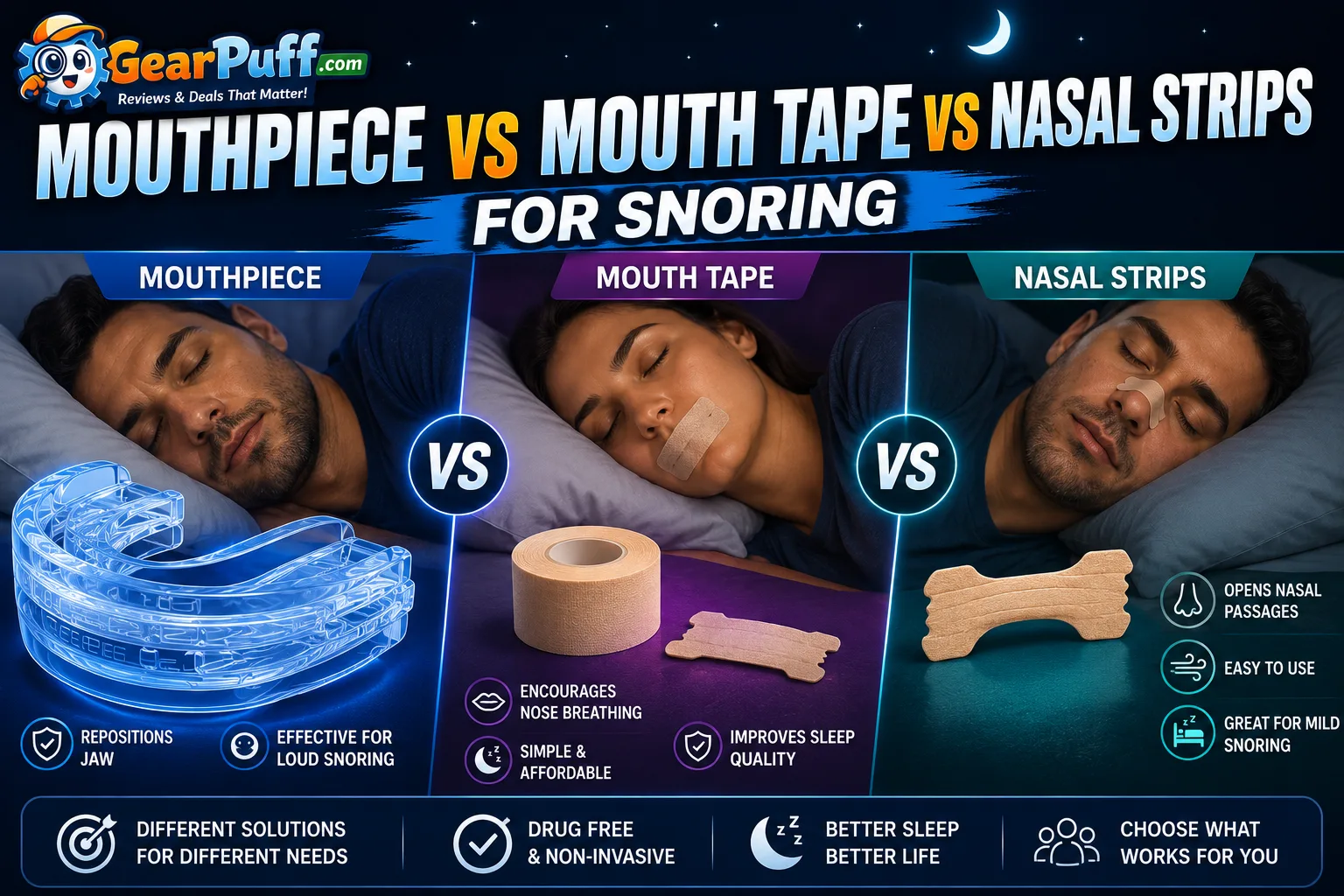
Three products show up in almost every “how do I stop snoring” search: the mouthpiece, the mouth tape, and the nasal strip. They get marketed for the same outcome, quieter nights, but they solve three different problems. Picking the wrong one wastes money and leaves your partner awake. Here is how they actually compare.
This guide lives in our wellness gadgets coverage, alongside our hands-on SleepZee review and the broader best anti-snoring mouthpieces roundup.
TL;DR
- A mouthpiece (MAD) advances your jaw to keep the airway open. Best for jaw- and tongue-based snoring.
- Mouth tape keeps your mouth closed to force nasal breathing. Only useful if your nose is already clear.
- Nasal strips widen the nasal passage from outside. Best for congestion-driven snoring.
- Mouth tape is unsafe if you cannot breathe through your nose, have sleep apnea, or drink before bed.
- Most snorers do best starting with the device that matches their actual snore cause, not the cheapest option.
Why Snoring Is Three Different Problems
Snoring is not one condition. The sound comes from soft tissue vibrating as air squeezes through a narrowed airway. Where that narrowing sits decides which fix works.
- Nose: congestion, a deviated septum, or a narrow nasal valve. Nasal fixes help here.
- Mouth and tongue: the jaw drops back and the tongue blocks the throat. Mouthpieces target this.
- Mouth breathing habit: you sleep with your lips apart by default. Tape addresses the habit, not the anatomy.
The mistake most buyers make is buying whatever has the best reviews instead of identifying their snore type. Our guide to stopping snoring naturally walks through finding your cause first, which saves you from guessing.
How a Mouthpiece Works
A mandibular advancement device is a tray you mold to your teeth. It holds your lower jaw slightly forward while you sleep, which pulls your tongue off the back of your throat and keeps the airway wider. That is the same principle behind dentist-made appliances.
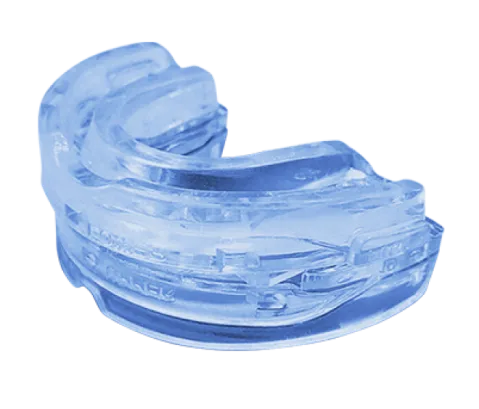
Who it helps: people whose snoring starts in the throat or from tongue position. This is the most common snore type and the one most other gadgets miss.
Trade-offs: an adjustment period of a few sore mornings and extra saliva. A fixed boil-and-bite like SleepZee fits some jaws better than others. More adjustable devices cost more but dial in comfort.
Best for: reliable, reusable, nightly snoring relief that does not depend on your nose being clear.
How Mouth Tape Works
Mouth tape is exactly what it sounds like: a strip of adhesive that holds your lips together so you breathe through your nose. The idea is that nasal breathing keeps the airway more toned and reduces the open-mouth snoring sound.
Who it helps: habitual mouth breathers who have a clear nose and no other issues. For them, tape can be a cheap, simple fix.
Trade-offs and risks: mouth tape is unsafe if your nose is blocked, if you have untreated sleep apnea, if you drink alcohol or take sedatives before bed, or if you have reflux that comes up at night. Taping your mouth shuts off your backup air route. Several sleep-medicine reviews warn against taping anyone with nasal obstruction.
Best for: confirmed nose-breathers who just need a reminder to keep their mouth shut.
How Nasal Strips Work
A nasal strip is a springy band stuck to the bridge of your nose. It pulls the nasal valve open from the outside, lowering resistance so air moves more freely.
Who it helps: snorers whose noise is driven by nasal congestion, allergies, or a naturally narrow nasal passage. Strips are a common first try for cold-season snoring.
Trade-offs: they do nothing for mouth- or tongue-based snoring, which is the larger share of cases. They also only work while adhered, and some people react to the adhesive.
Best for: congested or allergy-driven snorers, and as a low-risk first step before anything invasive.
Side-by-Side Comparison
| Factor | Mouthpiece (MAD) | Mouth Tape | Nasal Strips |
|---|---|---|---|
| Targets | Jaw and tongue position | Mouth-breathing habit | Nasal airflow |
| Works with congestion | Yes | No (unsafe if nose blocked) | Yes |
| Reusable | Yes, months | No, daily use | No, daily use |
| Adjustment period | A few sore nights | Mild at first | None |
| Main risk | Jaw soreness, fit issues | Airway block if nose blocked | Adhesive irritation |
| Typical cost | $30 to $150 | A few dollars a strip | A few dollars a strip |
Which One Should You Try First
Match the tool to the cause:
- Snore with your mouth open and a clear nose? Try mouth tape or a chinstrap.
- Snore worse when congested or during allergy season? Start with nasal strips.
- Snore with your mouth closed, on your back, partner hears throat noise? A mouthpiece is the stronger bet.
- Not sure? Fix sleep position and nasal care first, then add one device at a time.
If the jaw-and-tongue type fits you, SleepZee is a low-cost way to test the concept before spending on a custom dental appliance. For a precise, adjustable alternative, our SleepZee vs SnoreRx Plus comparison shows where the extra money buys a better fit.
Safety Notes Worth Hearing
Snoring can be a sign of something bigger. If you gasp, choke, or stop breathing at night, wake with headaches, or feel exhausted despite a full night in bed, talk to a doctor before buying any over-the-counter device. Those can be signs of sleep apnea, which needs proper diagnosis, not a strip or a tray.
Mouth tape especially deserves caution. Never tape your mouth if you cannot breathe easily through your nose. The strip is not worth a scary night.
Verdict
Mouthpiece, mouth tape, and nasal strips are not rivals so much as different tools for different snore types. The mouthpiece wins for the most common cause, jaw- and tongue-based snoring, because it opens the airway mechanically and works even when your nose is stuffed. Tape and strips have their place, but only once you know your nose is clear and your snore source matches.
Start by finding your snore type, then pick the single device that fits it. If jaw position is your issue, a boil-and-bite like SleepZee is the cheapest real test of whether a mouthpiece quiets your nights.
Frequently Asked Questions
Is a mouthpiece or mouth tape better for snoring?
Do nasal strips actually stop snoring?
Is mouth tape safe to sleep with?
Can I use a mouthpiece and mouth tape together?
Which option is cheapest to try?
Can a mouthpiece help if I breathe through my mouth?
Do these devices cure snoring for good?
Which option works fastest?
Are there side effects to mouthpieces?
What if I have allergies or a deviated septum?
Can children or teens use these?
How do I know which snore type I have?
Should I see a doctor before buying any of these?
Dr. Sarah Kim
Health tech researcher and wellness gadget reviewer. PhD in Biomedical Engineering. Tests sleep trackers, massage devices, and health monitors with clinical precision. Believes in data-driven wellness.
Affiliate disclosure:This article contains affiliate links. If you buy through them, GearPuff may earn a commission at no extra cost to you. It keeps our testing independent and our reviews free.