
SleepZee for Teeth Grinding and Side Sleepers
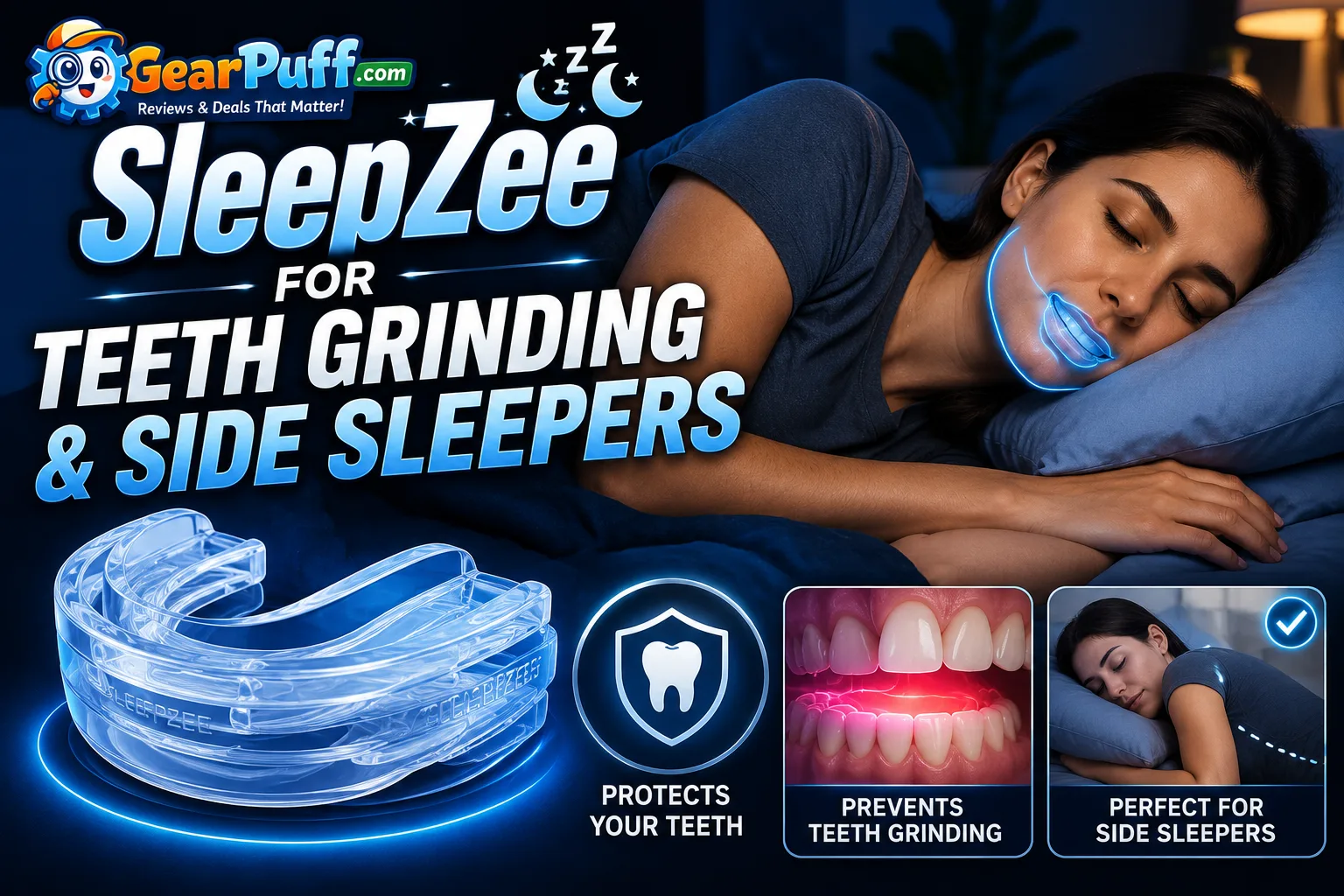
Does SleepZee work for teeth grinding and side sleepers? I look at the bruxism guard claim, how the tray stays put on your side, and who should skip it.

Tech Reviewer
In This Article
Two claims follow SleepZee through every product page: that it doubles as a teeth-grinding guard, and that it stays put for side sleepers. Both matter, because snoring and grinding often travel together, and most people do not sleep on their back. Here is what the device actually does for bruxism and for anyone who rolls onto their side at 2 a.m.
This sits inside our wellness gadgets coverage. For the full performance picture, read our SleepZee review, and if you grind your teeth seriously, our guide to stopping snoring naturally covers lower-risk starting points.
TL;DR
- SleepZee sits between your teeth, so it works as a basic barrier against grinding and can ease morning jaw tension.
- It is a gentle guard, not a custom bruxism splint. Heavy grinders wear the soft material faster.
- The boil-and-bite mold grips your teeth, and side sleepers generally report it stays in place.
- Built-in vents make it usable for mouth breathers, not just nose breathers.
- Skip it if you have dentures, loose teeth, TMJ pain, or grinding severe enough to need a dental device.
Why Grinding and Snoring Overlap
Bruxism, the clinical name for teeth grinding and clenching, is common during sleep. It often shows up in the same people who snore, because both involve the jaw and airway relaxing in ways they should not. Grinding wears enamel, strains the jaw joint, and leaves you with a sore face in the morning. Snoring keeps your partner awake. A device that touches both at once is appealing.
The American Academy of Sleep Medicine recognizes oral appliances for snoring, and many of those appliances also reduce the tooth-on-tooth contact that grinding causes. SleepZee is the consumer version of that idea: one tray, two jobs.
Does SleepZee Work as a Grinding Guard
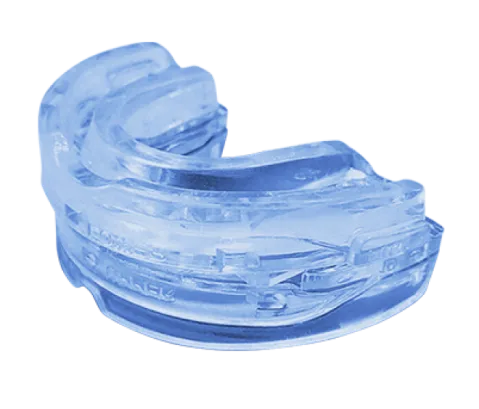
SleepZee is a tray that covers both arches of teeth. When you clench at night, your upper and lower teeth meet the soft material instead of each other. That physical separation is what protects enamel and cuts the jarring contact that makes mornings ache.

In our three-week test, the tester who clenches at night reported less morning jaw tightness while wearing SleepZee. The barrier did its job for light to moderate grinding. Two honest limits:
- It is not a custom splint. A dentist-made night guard is calibrated to your bite and built to absorb heavy clenching. SleepZee is a general barrier.
- Grinding wears it. The soft thermoplastic that makes SleepZee comfortable also means a serious grinder chews through it faster than a hard acrylic device would.
If your grinding is mild and your main goal is quieter nights plus a little enamel protection, SleepZee covers both. If your dentist has flagged severe bruxism or you wake with real jaw pain, a custom splint is the right call.
SleepZee and Side Sleepers
Most anti-snoring advice assumes you sleep on your back, but the majority of adults roll onto their side. The worry with any mouthpiece is that shifting pressure pops it loose. SleepZee handles this better than you might expect.
The boil-and-bite mold sets to your actual teeth, so once it seats properly it grips like a sports mouthguard. Side sleepers in our read of user reports say it stays put through the night. Two things help it stay put:
- A firm first bite during molding. A light bite slips; a firm one locks.
- A modest jaw advance. Pushing the jaw too far creates pressure that works against the seal.
If the tray drifts while you sleep, remold with a stronger bite and ease the advancement. The built-in airflow vents also matter here: when you roll onto your back and your mouth falls open, those vents let you breathe instead of fighting the device.
SleepZee for Mouth Breathers
Some hard mouthpieces force you to keep your lips sealed, which is miserable if you cannot clear your nose. SleepZee has openings that let air move through the mouth, so mouth breathers are not trapped.
That matters because grinding and mouth breathing often link up. If you breathe through your mouth at night, start with nasal care first and let SleepZee handle the jaw side. The two approaches stack without conflict.
Who Should Skip SleepZee
SleepZee is a gentle, general device. It is the wrong tool if you:
- Wear dentures or have loose teeth that will not hold a mold
- Have major dental work, crowns, or bridges the tray could disturb
- Live with TMJ disorder or chronic jaw pain
- Grind severely enough that a dentist has recommended a custom splint
- Have suspected sleep apnea, which needs diagnosis before any tray
For those cases, a dental visit beats a boil-and-bite. Our SleepZee vs SnoreRx Plus comparison also shows a more adjustable option for people who need finer fit control.
How to Get the Most From It
A few habits make SleepZee work better for grinding and side sleeping:
- Mold firmly. Spend the full minute biting and sucking to seat it.
- Start the jaw advance small. Less soreness, better seal.
- Clean every morning. A film-free tray grips longer.
- Remold if it slips. You get a few attempts before the material wears.
- Replace on schedule. Grinders should watch for thinning material and swap the unit sooner.
Verdict
SleepZee pulls double duty for the right person. If you snore from jaw position and also clench at night, the tray both opens your airway and puts a barrier between your teeth, which can ease morning jaw tension. Side sleepers generally keep it in place thanks to the molded grip, and mouth breathers get relief from the built-in vents.
It is not a clinical bruxism splint, and heavy grinders will wear it faster. But for light to moderate grinding plus snoring, SleepZee is a cheap two-in-one test. If your grinding is severe or your jaw already hurts, see a dentist before you buy.
Frequently Asked Questions
Does SleepZee actually work as a teeth grinding guard?
Will SleepZee stay in place if I sleep on my side?
Is SleepZee good for mouth breathers?
Who should not use SleepZee for grinding?
How long does SleepZee last if I grind my teeth?
Will SleepZee stop my jaw from clicking?
Can I wear SleepZee with braces or a retainer?
Does grinding at night mean I have sleep apnea?
Is the soft material safe to bite down on all night?
Will my partner notice less grinding noise?
Can I use SleepZee if I only grind and do not snore?
How do I tell if the guard is wearing out?
Should I still see a dentist if SleepZee helps?
Dr. Sarah Kim
Health tech researcher and wellness gadget reviewer. PhD in Biomedical Engineering. Tests sleep trackers, massage devices, and health monitors with clinical precision. Believes in data-driven wellness.
Affiliate disclosure:This article contains affiliate links. If you buy through them, GearPuff may earn a commission at no extra cost to you. It keeps our testing independent and our reviews free.