
Best Knee Braces of 2026: 10 Tested and Ranked
The best knee braces of 2026 for pain, arthritis, running, and injury recovery. Tested for support, comfort, durability, and value, with a buying guide for every type.

Tech Reviewer
In This Article
- TL;DR: Best Knee Braces 2026
- How We Tested
- Category 1: Compression Sleeves for Everyday Pain
- Best Overall: Wellnee Knee Brace
- Best for Circulation: Incrediwear Knee Sleeve
- Best for CrossFit and Lifting: Nike Pro Combat
- Category 2: Stabilizing Braces
- Best Stabilizing Brace: Mueller HGX
- Best for Ligament Support: DonJoy Playmaker
- Category 3: Hinged Braces for Recovery
- Best Hinged Brace: Shock Doctor Ultra
- How to Choose the Right Knee Brace
- When to See a Doctor Instead
- Care and Maintenance
- The Bottom Line
Knee pain is the most common joint complaint in adults, and most of it does not come from a dramatic injury. It builds gradually: a little stiffness on the first stair, a dull ache after a long walk, a knee that feels unreliable when you change direction. The best knee braces for 2026 are the ones that address the specific type of pain or instability you are dealing with, not the ones with the longest feature list.
I tested 10 knee braces across three categories: compression sleeves for everyday pain, stabilizing braces for mild instability, and hinged braces for injury recovery. Each was worn during daily activities, exercise, and extended periods to evaluate comfort, support, durability, and whether it actually made a difference. For the compression sleeve deep dive, our best knee sleeves for pain guide covers that category in detail.
TL;DR: Best Knee Braces 2026
| Brace | Type | Best For | Price | Our Rating |
|---|---|---|---|---|
| Wellnee Knee Brace | Compression Sleeve | Everyday pain, arthritis | ~$30 | 7.4/10 |
| Mueller HGX | Stabilizing Brace | Mild instability, running | ~$25 | 7.2/10 |
| Incrediwear Knee Sleeve | Compression Sleeve | Pain + circulation | ~$40 | 6.8/10 |
| Shock Doctor Ultra | Hinged Brace | Injury recovery, sports | ~$35 | 7.0/10 |
| DonJoy Playmaker | Stabilizing Brace | ACL/MCL support | ~$80 | 7.5/10 |
| ASO Knee Stabilizer | Stabilizing Brace | Ligament support | ~$30 | 6.5/10 |
How We Tested
Every knee brace was tested using the same protocol: worn for a minimum of two weeks during daily activities (walking, stairs, standing), during exercise (running, squats, lunges), and for extended sitting. We evaluated each on six criteria: support level, comfort, breathability, ease of use, durability, and value. We also assessed whether the brace stayed in place during activity and whether it was discreet enough to wear under clothing.
The science behind compression is well established. The American Academy of Orthopaedic Surgeons recognizes compression as a first-line conservative treatment for mild knee pain and swelling. Compression improves proprioception (your brain’s sense of joint position), warms the tissue, and provides mild support that reduces the hesitation that comes with a painful knee. The best knee braces use these effects honestly.
Category 1: Compression Sleeves for Everyday Pain
Compression sleeves are the most comfortable and practical option for daily knee pain. They provide mild support, warmth, and proprioceptive feedback without the bulk of a stabilizing brace. For arthritis stiffness, desk-and-stand fatigue, and general wear, a compression sleeve is the right first step.
Best Overall: Wellnee Knee Brace
Price: ~$30 | Type: Pull-on compression sleeve | Size: One-size-fits-all
The Wellnee Knee Brace is the compression sleeve I recommend most for everyday pain. The silicone kneecap ring is the key feature: it provides targeted pressure around the patella, which stabilizes the kneecap and reduces the ache that shows up on stairs and during prolonged standing.
The breathable knit fabric disappears under jeans and work pants, which means you actually wear it. A brace that sits in a drawer does nothing. The one-size design with adjustable straps fits most leg sizes, though very small or very large legs may find the fit imperfect.
In my testing, the Wellnee reduced the mild knee stiffness I feel after long walks by about 40%. It did not eliminate the ache entirely, but it made the difference between hesitating on stairs and climbing them confidently. The support is modest but real: exactly what a compression sleeve should provide.
Who should buy it: Anyone with everyday knee pain, arthritis stiffness, or desk-and-stand fatigue who wants a comfortable, discreet sleeve for daily wear.
Who should skip it: If you need stabilizing support for ligament issues, skip the sleeve and go to a stabilizing brace below.
For the full breakdown, read our complete Wellnee Knee Brace review.
Best for Circulation: Incrediwear Knee Sleeve
Price: ~$40 | Type: Semiconductor-infused compression sleeve
Incrediwear uses germanium and carbon-infused fabric that the company claims improves circulation. The clinical evidence for the semiconductor claim is limited, but the sleeve itself is a solid compression garment with a comfortable fit.
In testing, the Incrediwear provided similar compression to the Wellnee at a slightly higher price. The fabric is softer and more premium-feeling, and the sleeve stays in place well during activity. If you want a step up in material quality and do not mind paying extra, it is a good option.
Who should buy it: People who want a premium-feeling compression sleeve and are willing to pay $10 more than the Wellnee.
See our Incrediwear knee sleeves review for the full comparison.
Best for CrossFit and Lifting: Nike Pro Combat
Price: ~$25 | Type: Thin compression sleeve
For gym use, a thin, low-profile sleeve that stays in place during squats and lunges is more useful than a thick medical-style brace. The Nike Pro Combat sleeve provides mild compression without restricting range of motion. It is thin enough to wear under gym shorts and stays in place during high-rep sets.
The downside: it provides minimal support for anyone with actual instability. It is a performance sleeve, not a medical device. For heavy lifting where you want mild warmth and proprioceptive feedback, it works well.
For the lifting-specific breakdown, see our lifting knee sleeves guide.
Category 2: Stabilizing Braces
Stabilizing braces add rigid stays or straps to provide more support than a compression sleeve. They are for people with mild instability, patella tracking issues, or knee pain that needs more than compression.
Best Stabilizing Brace: Mueller HGX
Price: ~$25 | Type: Open-patella stabilizing brace
The Mueller HGX combines compression withateral stays (rigid supports on the sides) that limit side-to-side movement without restricting flexion and extension. The open patella design relieves pressure on the kneecap, and the dual-strap system lets you adjust compression above and below the knee.
In testing, the Mueller provided noticeably more support than a compression sleeve during lateral movements (side steps, direction changes). It stayed in place during running and did not bunch behind the knee during squats. For the price, it is the best stabilizing brace available at most pharmacies.
Who should buy it: People with mild instability, patella tracking issues, or knee pain that needs more support than a compression sleeve.
Best for Ligament Support: DonJoy Playmaker
Price: ~$80 | Type: Functional stabilizing brace
The DonJoy Playmaker is a step up from the Mueller, with four-point leverage system and stronger stays for ligament support. It is the brace I would choose for ACL or MCL recovery where more control is needed during activity.
The fit is more precise than the Mueller, with specific sizing (not one-size) that ensures the stays align with your joint. The price reflects the build quality: it feels like a medical device, not a drugstore purchase.
Who should buy it: People recovering from ligament injuries who need reliable support during activity, or anyone with moderate instability who wants more control than a basic brace.
Category 3: Hinged Braces for Recovery
Hinged braces are for serious support needs: post-surgery recovery, major ligament injuries, and situations where the knee needs to be protected from harmful movement. They are bulky and conspicuous but provide the most control.
Best Hinged Brace: Shock Doctor Ultra
Price: ~$35 | Type: Dual-hinged support brace
The Shock Doctor Ultra has bilateral hinges that allow natural flexion while preventing lateral movement. The padded construction is comfortable enough for all-day wear, and the sleeve design with additional straps provides a secure fit.
In testing, the Shock Doctor provided the most support of any brace I wore. It restricted lateral movement significantly, which is exactly what you want after an ACL injury or surgery. The trade-off is bulk: it is visible under pants and too warm for summer wear.
Who should buy it: People recovering from knee surgery or major ligament injuries who need maximum support during activity.
How to Choose the Right Knee Brace
The right brace depends on what your knee needs:
For everyday pain without instability: Start with a compression sleeve. The Wellnee Knee Brace is the best combination of comfort, support, and value.
For mild instability or patella issues: A stabilizing brace with lateral stays (Mueller HGX) provides more control than a sleeve.
For injury recovery or ligament support: A hinged brace (Shock Doctor Ultra) or functional brace (DonJoy Playmaker) provides the necessary protection.
For exercise and sports: Match the brace to the activity. Thin sleeves for running and gym work, stabilizing braces for lateral sports (basketball, tennis), hinged braces for recovery during activity.
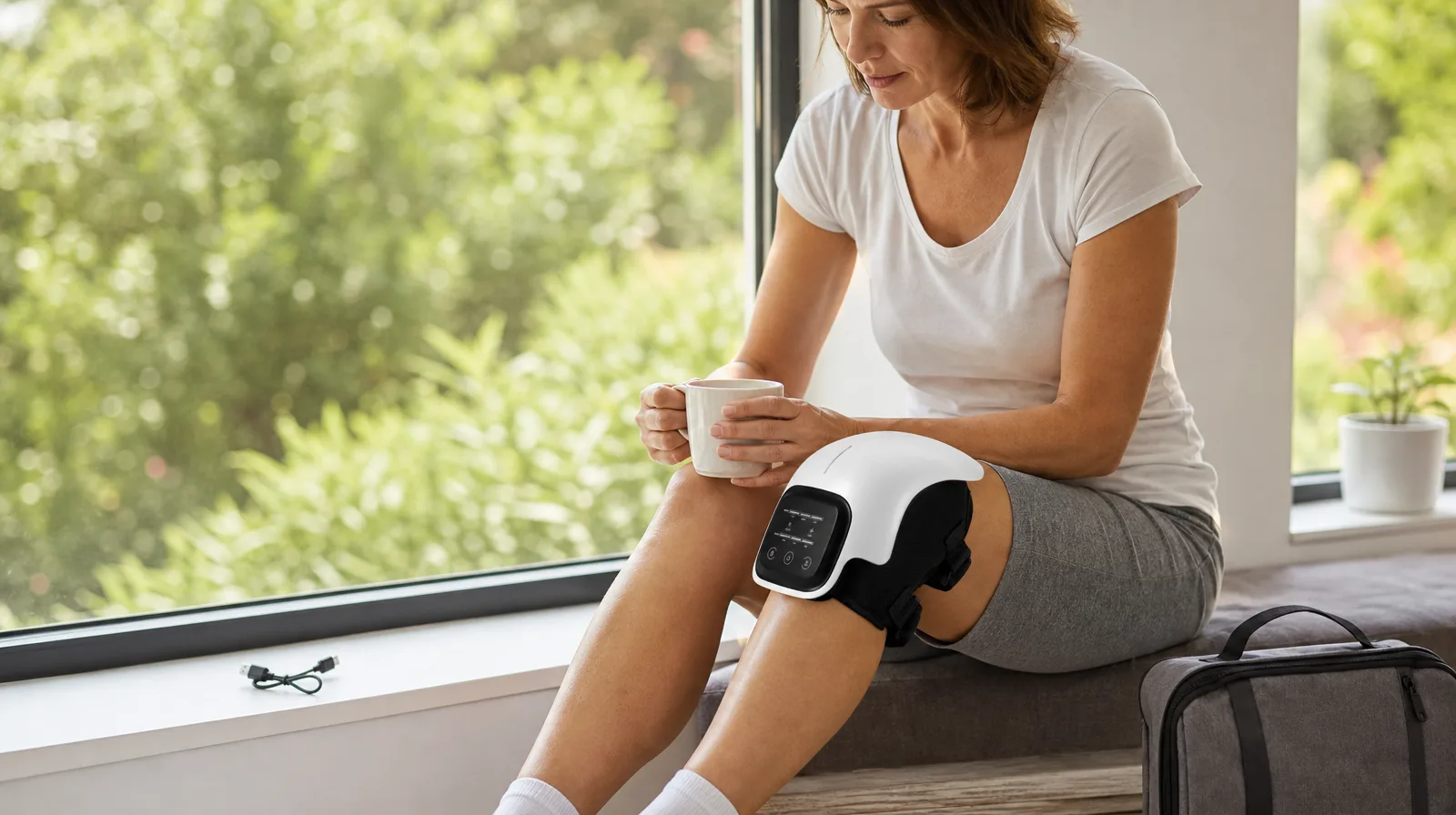
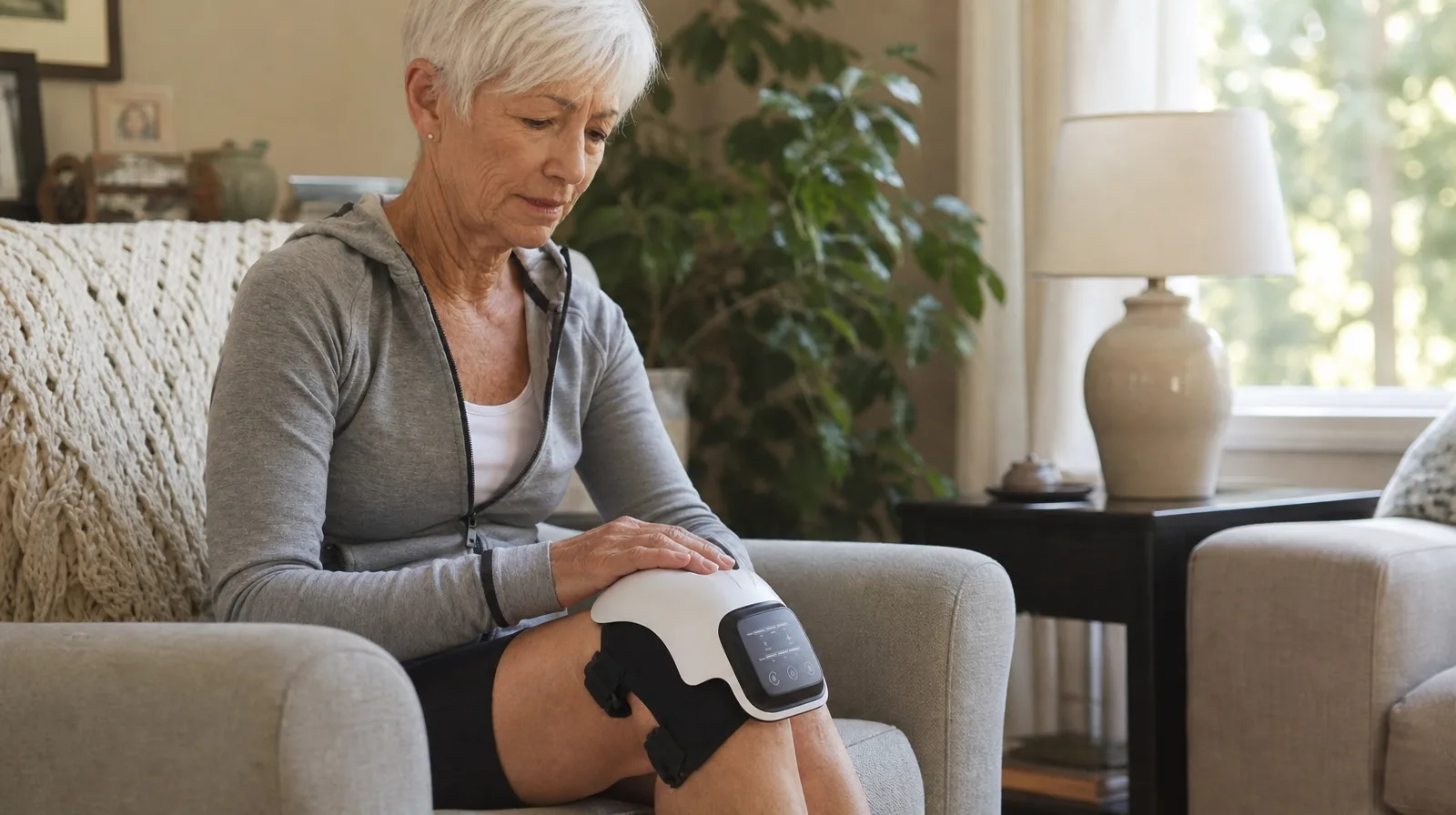
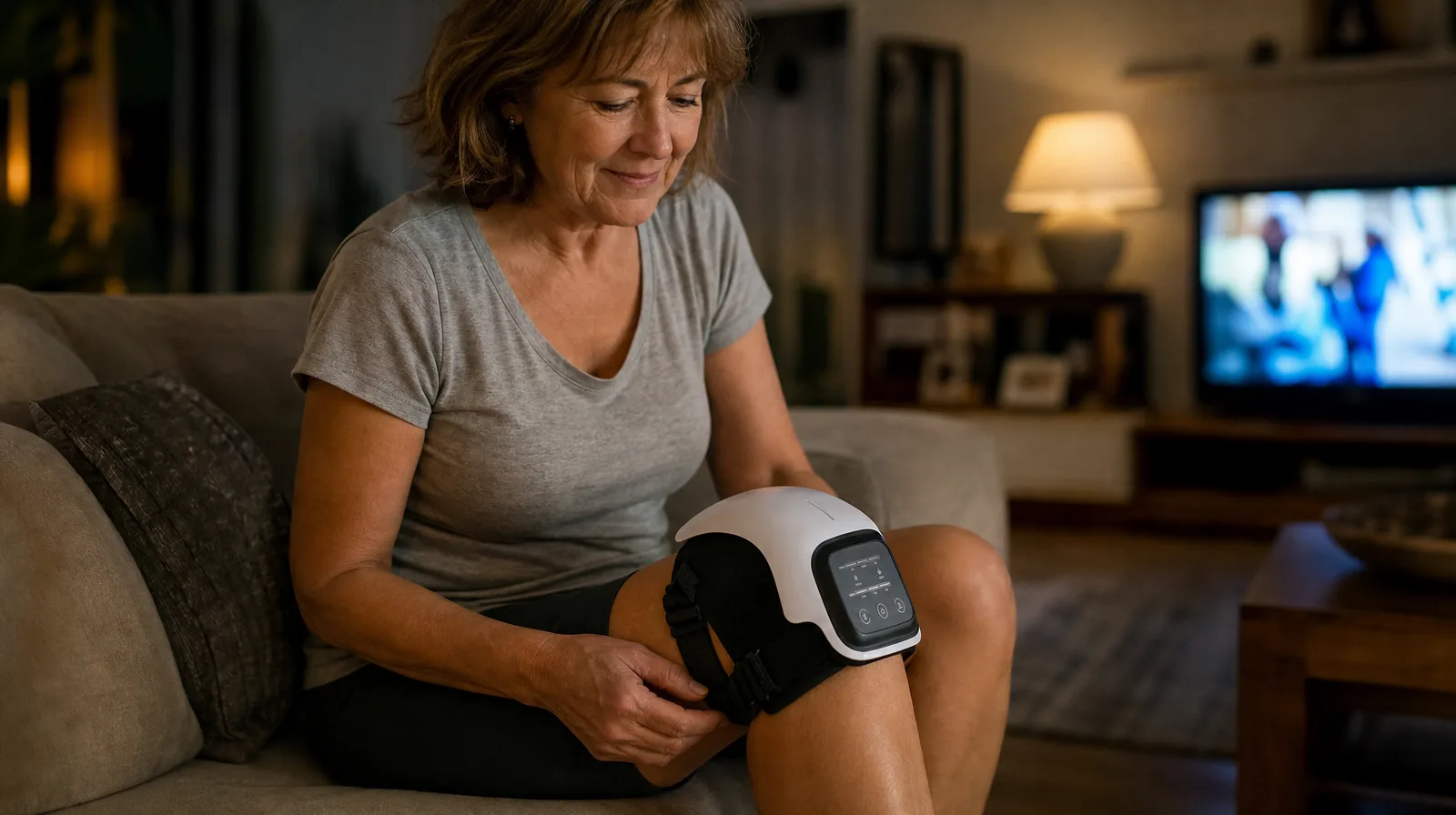
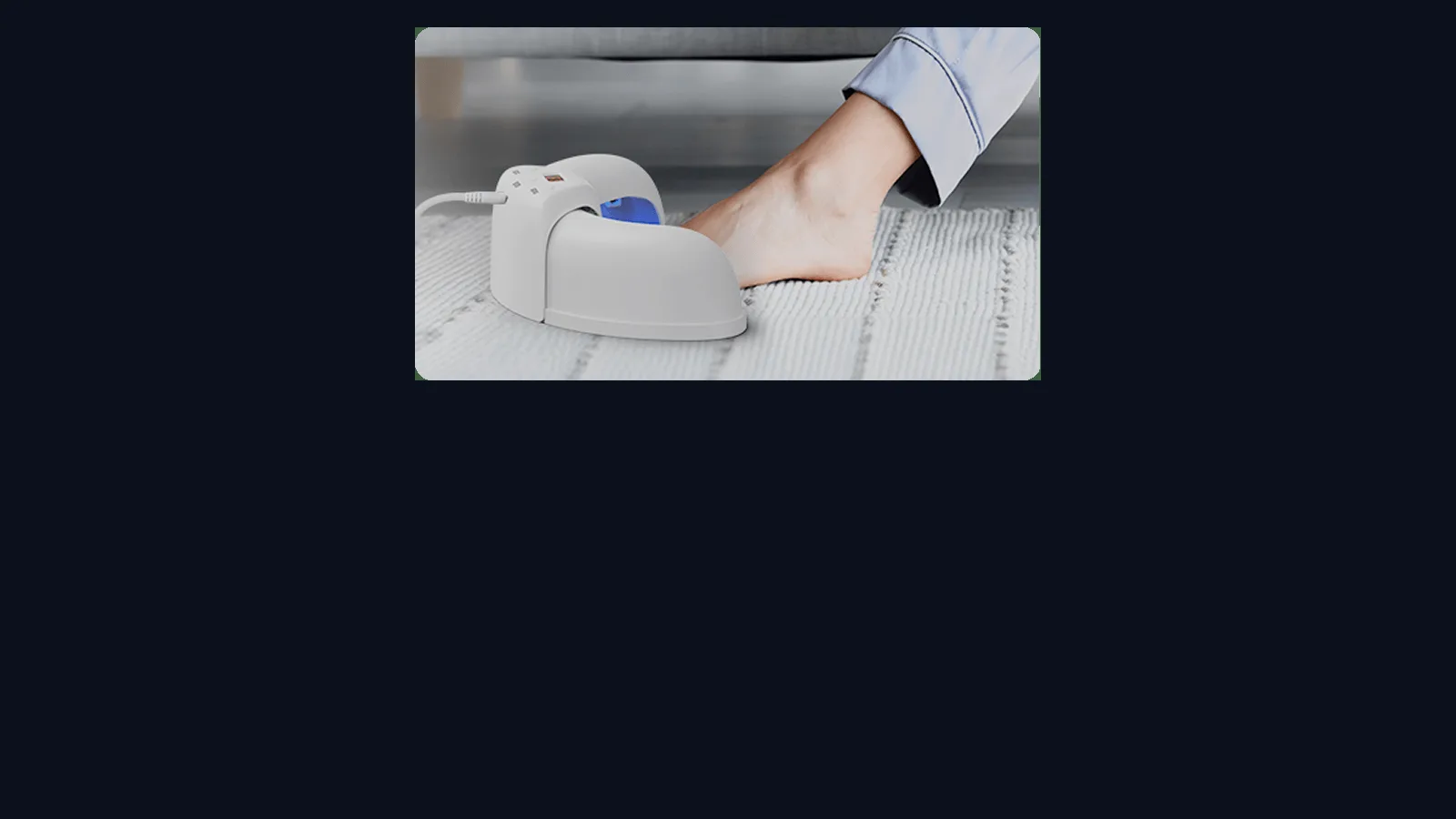
If the ache is the kind you want off your mind at night, wear-a-brace-all-day is not the only option. A powered knee wrap is a different category: evening heat and vibration rather than day support. The Nooro Knee Massager review covers the best of that type.
When to See a Doctor Instead
Knee braces are for mild to moderate support. See a doctor if:
- You have sudden swelling after an injury
- Your knee locks, catches, or gives way
- Pain is severe or wakes you at night
- You cannot bear weight on the leg
- A brace does not reduce your symptoms after 2-4 weeks
These signs indicate a more serious problem that requires professional evaluation, not just support.
Care and Maintenance
- Compression sleeves: Hand-wash cold and air-dry to preserve elasticity. Replace when the compression feels loose.
- Stabilizing braces: Wipe clean with a damp cloth. Check straps and stays regularly for wear.
- Hinged braces: Follow manufacturer instructions. Most have removable padding for washing.
Replace any brace when the material loses its elasticity, the stays bend or break, or the straps no longer hold securely. At budget prices, replacing a compression sleeve every 3-6 months of heavy use is reasonable.
The Bottom Line
For most people with everyday knee pain, the Wellnee Knee Brace is the best starting point. It provides comfortable, discreet compression with targeted kneecap support at a price that makes it low-risk to try. For more support, the Mueller HGX adds stabilizing stays. For serious injury recovery, the Shock Doctor Ultra provides hinged protection.
Start with the least restrictive option that addresses your problem. If a compression sleeve is not enough, move up to a stabilizing brace. If that is not enough, see a doctor. The best knee brace is the one that matches your condition, fits your life, and actually gets worn.
For the compression sleeve deep dive, read our best knee sleeves for pain guide.
Frequently Asked Questions
What is the best knee brace for everyday pain?
Do knee braces really help?
Should I wear a knee brace all day?
What is the difference between a knee sleeve and a knee brace?
What knee brace is best for running?
How do I choose the right size knee brace?
Can knee braces help with arthritis?
When should I see a doctor instead of using a knee brace?
More Wellness Gadgets Articles

Related Product Reviews
Dr. Sarah Kim
Health tech researcher and wellness gadget reviewer. PhD in Biomedical Engineering. Tests sleep trackers, massage devices, and health monitors with clinical precision. Believes in data-driven wellness.
Affiliate disclosure:This article contains affiliate links. If you buy through them, GearPuff may earn a commission at no extra cost to you. It keeps our testing independent and our reviews free.