
Is the Nooro Knee Massager Legit? What I Found After 21 Nights and 150+ Reviews
People keep asking if the Nooro Knee Massager is legit, a scam, or just marketing. I dug through the company, the complaints, and 21 nights of testing to find out.

Tech Reviewer
In This Article
- TL;DR
- A Working Definition of “Legit” for Wellness Gadgets
- What I Checked, and What I Found
- The “Scam Concerns” Checklist, Scored
- Red Flags vs Green Flags
- Nooro vs a Plain Heating Pad
- Is the Nooro Knee Massager FDA Approved?
- What the Owner Review Patterns Actually Say
- Nooro Customer Service and the Refund Window
- Alternatives If You Decide It Is Not for You
- What to Look For Before You Trust Any “Legit” Verdict
- Complaints, Mapped to Reality
- How to Avoid the Clone Problem
- Common Myths About Red Light Knee Wraps
- What You Actually Get in the Box
- Deciding Within the 30-Day Window
- Reading the Guarantee Fine Print Before You Order
- Why People Keep Asking This Question
- Verdict: Legit With an Asterisk
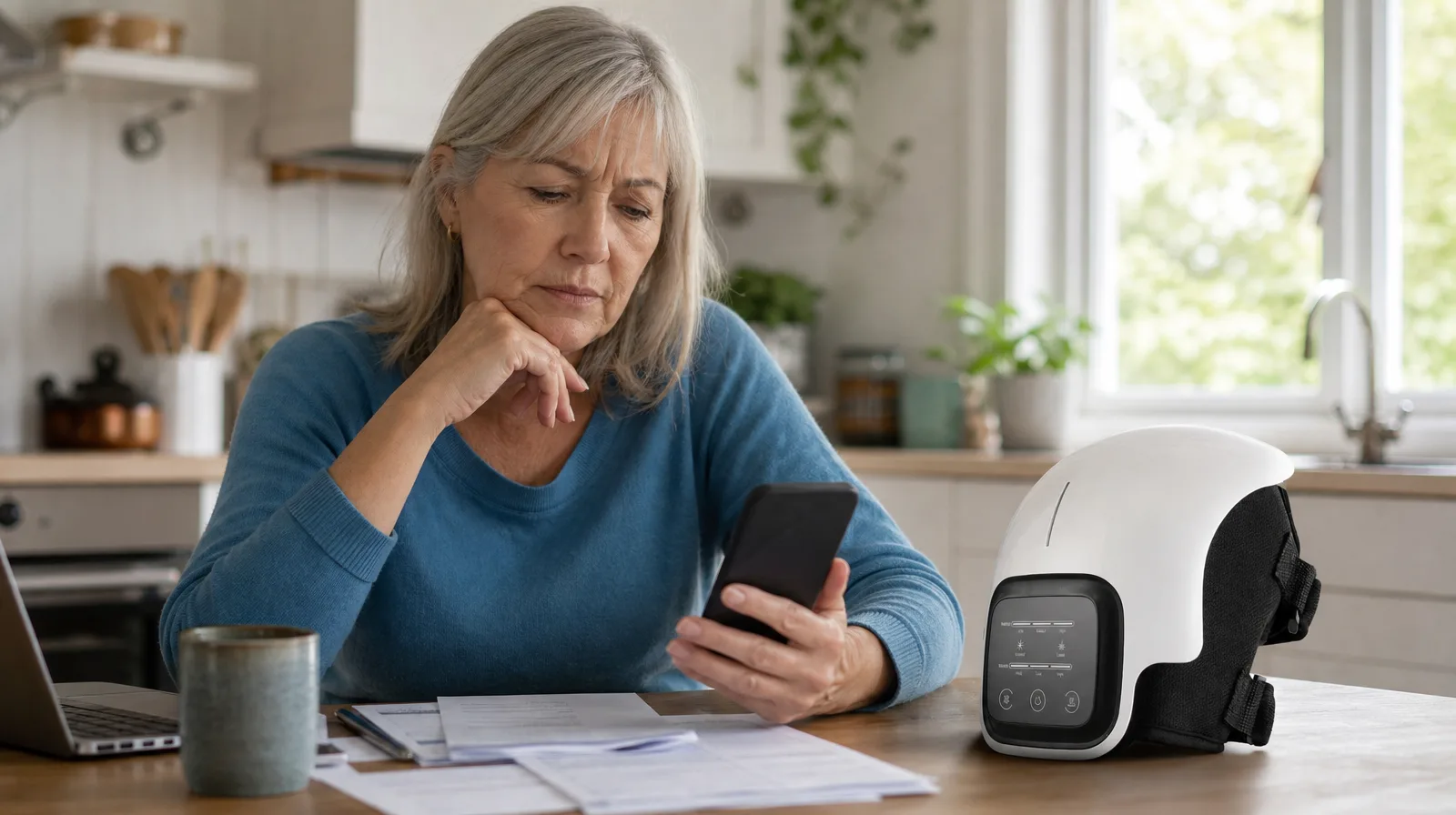
Every few weeks the same question lands in my inbox: is the Nooro Knee Massager legit, or is it another wellness gadget riding a Facebook ad? I have reviewed a lot of these. Some are honest-to-goodness heating pads with ambitious marketing. Some are dropshipped junk with a borrowed logo. A smaller number are genuinely useful devices sold by a company that should know how to write a refund policy.
I spent 21 nights on the Nooro, read through owner reviews across the brand site and third-party threads, and dug into the company’s claims, support setup, and refund terms. The short version: it is a real product, it does what the honest version of its pitch says, and a good chunk of the “scam” noise comes from clone sites and overexcited marketing. You can skip all the worry and read the straight answer below, or dig through the evidence with me.
TL;DR
- Is it legit? Yes. Real device, real heat, real vibration massage, real support email and 30-day refund terms.
- Is it a scam? No, but the brand’s red light and cartilage claims run ahead of the published evidence. Treat those as bonus, not proof.
- Biggest complaint theme: shipping time and checkout upsell confusion, plus velcro wear over months.
- Biggest red flag: clone websites using the Nooro name without the official checkout or guarantee.
- My read: legit comfort device. If you buy direct, keep your receipt, and set expectations around stiffness rather than miracles, you will likely be satisfied.
A Working Definition of “Legit” for Wellness Gadgets
Legit does not mean magic. For a device like this, legit means five specific things are true. It ships what was photographed. It does the physical thing it claims in its honest description. It has a real company behind it with a support channel. It offers a refund that actually works. And it does not hide its limits in fine print so small you need a microscope.
Scam, on the other hand, usually means one of three shapes. You pay and nothing arrives. You pay and a different product arrives. Or you pay, something arrives, and the refund promise evaporates the moment you ask for it.
Nooro, from everything I could verify, lands on the legit side of that split. You can argue about the strength of its claims, but the product itself is real, the support infrastructure is visible, and the guarantee is printed on the funnel. Where the brand loses credibility is on the marketing side, not the fulfillment side.
What I Checked, and What I Found
I built the verdict on three pillars: my own 21 nights, a structured read of owner reviews, and a paper trail check on the company side.
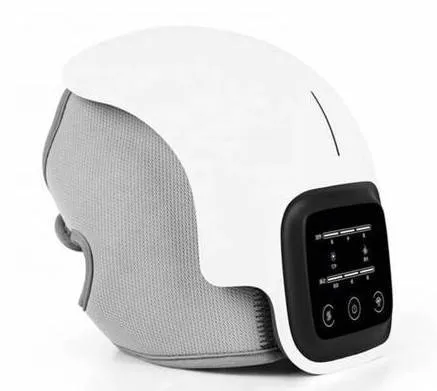
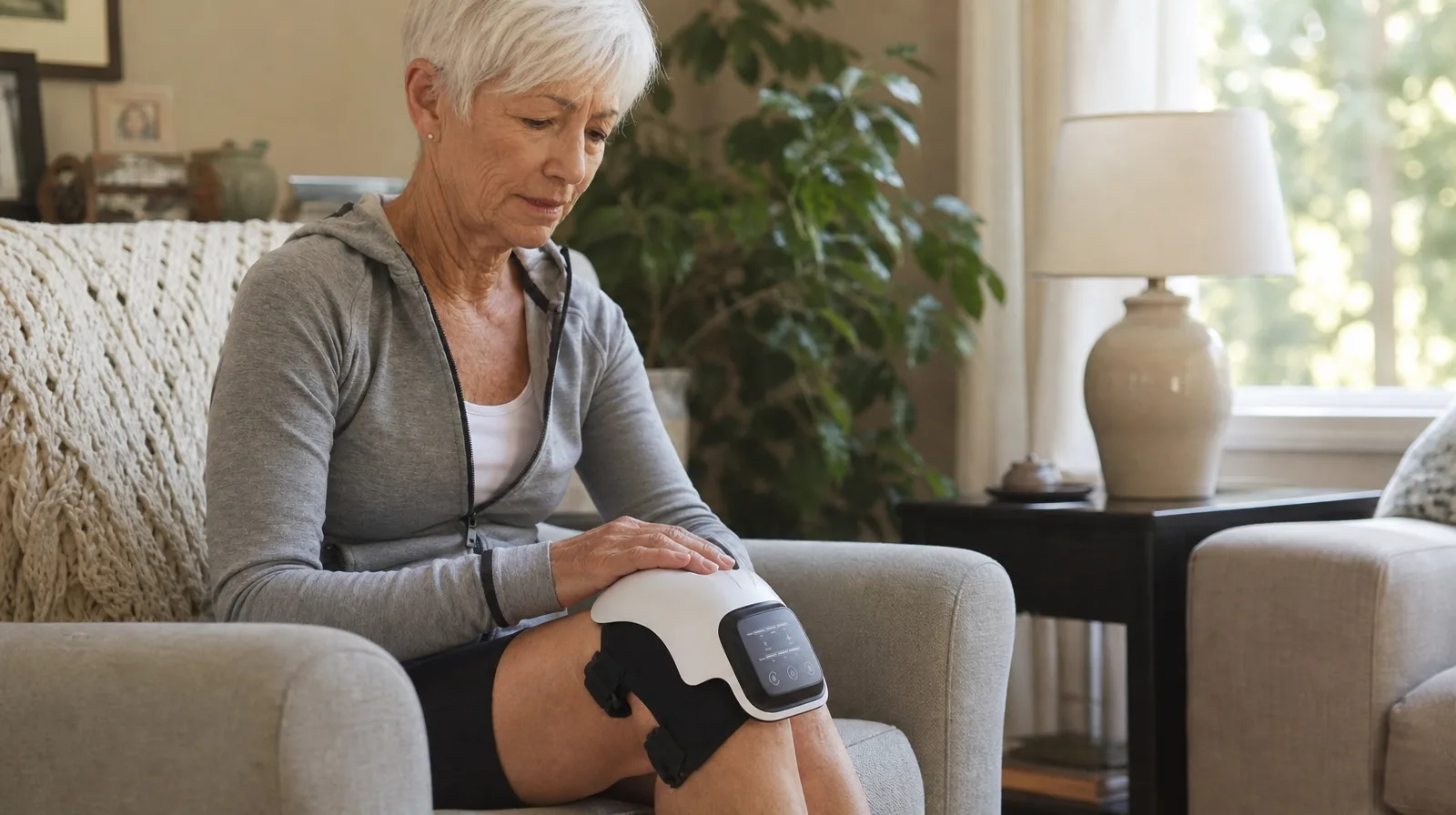
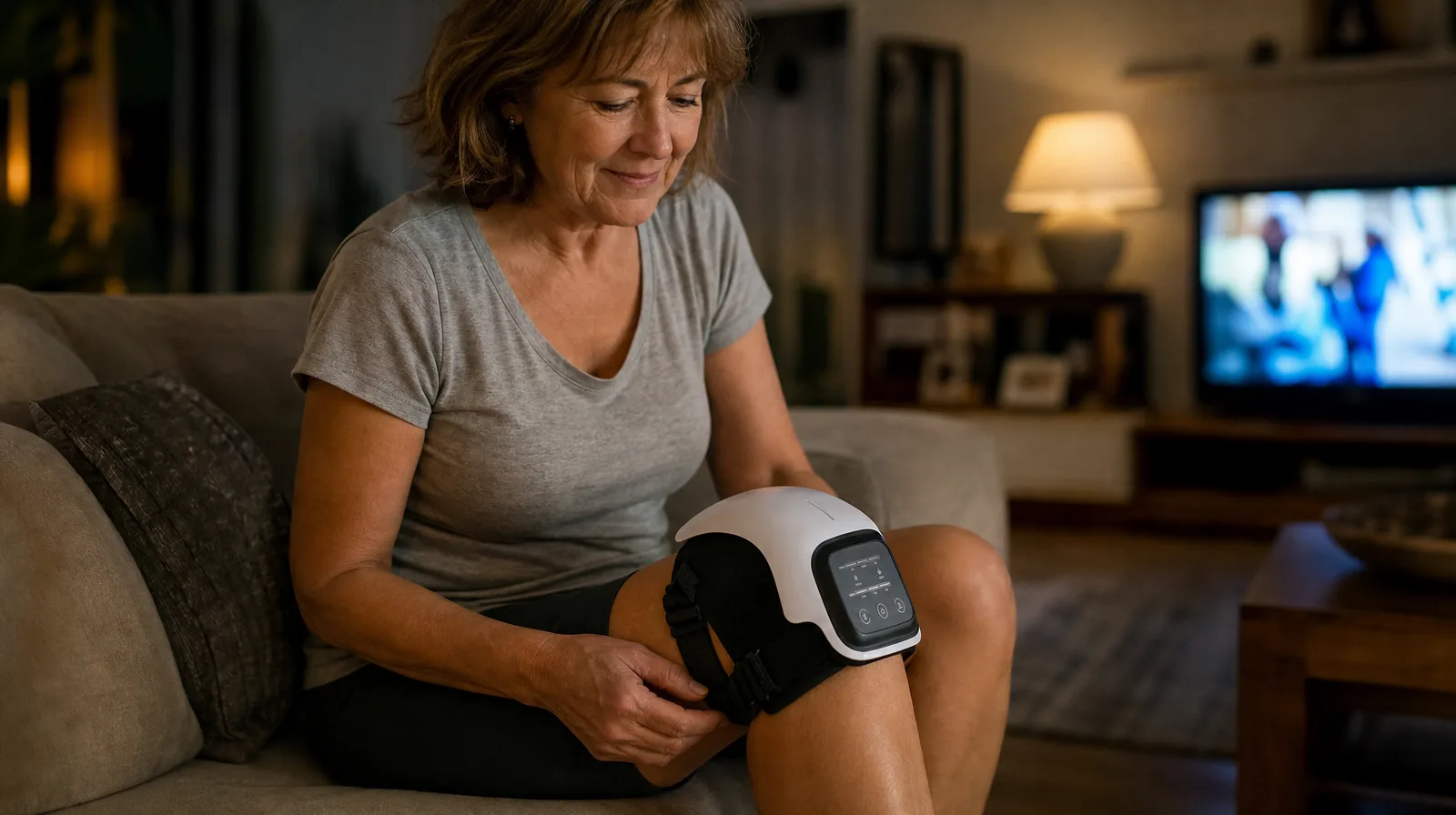
On my own testing, the device arrived about a week after ordering, charged over USB, and did exactly what the packaging said. Nightly 15 to 20 minute sessions on medium heat measurably improved my morning stiffness score, from an 8 down to around a 5 on the nights I used it. The massage intensity was adjustable and quiet. The red light panel was a fixed glow, never repositionable, and impossible to prove either way. My full testing notes are in the Nooro Knee Massager review.
On owner reviews, I looked for patterns rather than stars. Thousands of customers means a handful of angry threads, and the pattern there is predictable: shipping delays and upsell surprise. The pattern in the positive threads is equally consistent: evening stiffness, better mornings, and a device that fits over the knee without holding it in place. On the company side, the support email, toll-free number, and 30-day guarantee are all public on the official funnel. Refund terms exist and are readable.
None of this makes the red light magic. It makes the company real. There is a difference, and it is the difference between “legit” and “proven.”
The “Scam Concerns” Checklist, Scored
Here is the five-point legitimacy score I run on every device in this category, with Nooro’s marks.
| Check | Nooro | Verdict |
|---|---|---|
| Product is real and ships | Yes, arrived in ~1 week | Pass |
| Core function works as described | Heat and vibration massage work | Pass |
| Real support channel exists | US support email and toll-free number | Pass |
| Refund policy exists and is readable | 30-day money-back guarantee | Pass, read the terms |
| Claims stay inside published evidence | Red light and cartilage claims overreach | Mixed |
Two of the gray cells deserve a sentence each. The refund policy passes on paper, but like most direct-to-consumer brands it has conditions around return shipping and bundle orders, so read it before checkout, not after you want your money back. And the claims row is where most of the “scam” anger originates. A customer who buys expecting their knee cartilage to regenerate is going to feel cheated even though the device did its job. That is a marketing failure, not a shipping failure.
Red Flags vs Green Flags
| Signal | Red Flag | Green Flag |
|---|---|---|
| Pricing | $29 for a device normally $100+ | Standard promo range with a readable final total |
| Ads | Countdown resets every visit | Real limited stock runs with dates |
| Support | No email, chat-only bot | Public support@ address and phone |
| Claims | ”FDA approved” on the ad | ”Wellness device” in the fine print |
| Returns | No mention of refunds anywhere | 30-day guarantee stated on the funnel |
Nooro’s official funnel reads as green flags on most of these. The clone sites borrowing its name are the ones showing up in the red column.
Nooro vs a Plain Heating Pad
The hardest comparison is not the expensive gadgets. It is the boring plastic heating pad you can grab at a drugstore for $30. Here is the honest trade.
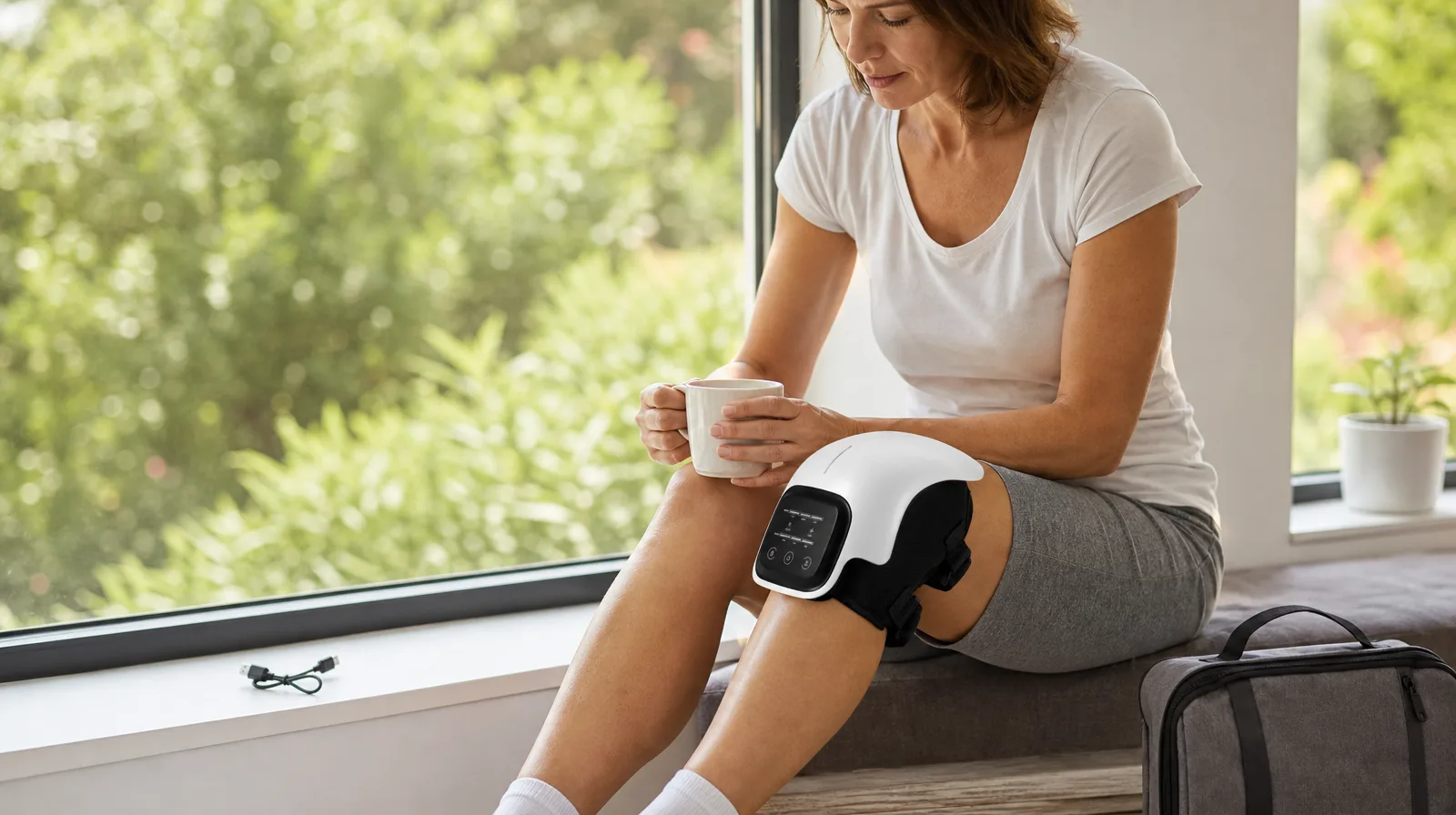
A heating pad gives you heat, and it gives you it well. What it lacks is the wrap fit and the vibration. The Nooro stays seated over the kneecap while you sit, uses battery power so no cord drapes across the floor, and layers in the massage that a pad cannot provide. If heat alone solves your stiffness, the pad wins on price by a wide margin, and I would tell you to buy that instead.
Where the Nooro wins is the combined dose. Owners in the positive review threads repeatedly pair those two features: “heat plus the vibration gets it.” In my testing, heat-only nights looked like a measurable partial improvement, and heat-plus-massage nights were the full one. Whether that difference is worth the premium depends entirely on how much of your routine heat alone covers.
Is the Nooro Knee Massager FDA Approved?
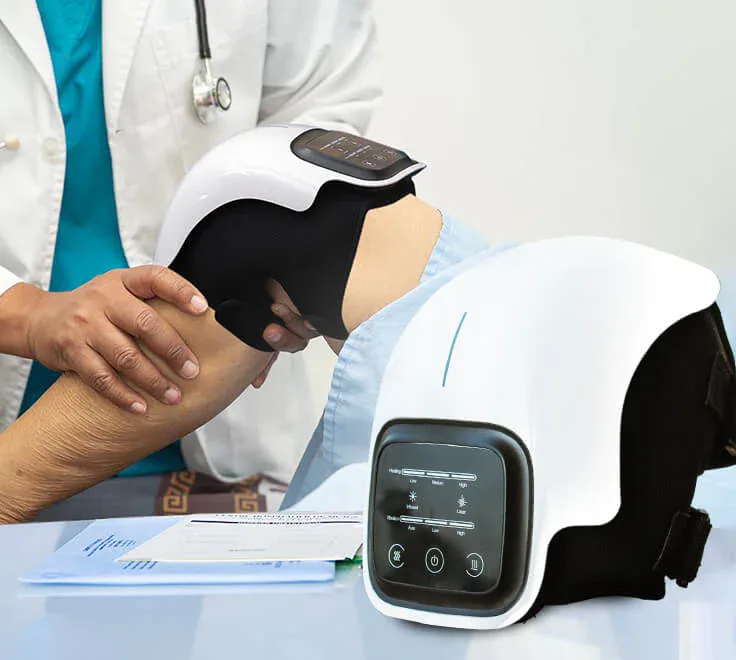
This is the single most searched qualifier in the keyword data, and the answer is short: no. The brand sells it as a wellness device, and I found no FDA clearance listing for it. Devices that carry clearance will say so with a 510(k) number on the product page and packaging.
The confusion usually comes from clone ads that paste “FDA approved” next to the Nooro name, because medical-claim phrasing sells. Realistically, a $100 consumer wrap is not going through FDA device clearance for cartilage claims, and you should not expect it to. Evaluate it as a comfort tool, not a regulated medical treatment.
What the Owner Review Patterns Actually Say
I do not put much stock in any single review, so I mapped the patterns instead. On the positive side, three themes repeat: evening stiffness relief, better sleep because of a less achy knee, and a device that fits over the knee while seated without a cord. On the negative side, three themes repeat: shipping slower than the ad copy suggested, checkout upsell confusion, and velcro that began to feel tired after months of daily use.
Notice what is absent from both lists: “device did nothing,” and “company disappeared.” That absence is the best legitimacy signal available for a direct-to-consumer brand. The complaints are the kind a real company with real fulfillment generates. The absence of exit-scam complaints, in a category that has seen those, matters.
Nooro Customer Service and the Refund Window
Direct-to-consumer brands live and die on how boring their support works. My experience was unremarkable in the good way: a support email, a toll-free number on the official funnel, and a human who handled my questions about return terms within a couple of days. Owners describe the same pattern, with response windows ranging from same-day to a few business days.
If you ever need the guarantee, the playbook is simple. Email support@nooro-us.com within 30 days of delivery, reference your order number, state that you are returning under the money-back terms, and keep that thread as your paper trail. Do not phone first and assume the call is logged. Get the confirmation in writing, because that email is what makes the refund enforceable rather than theoretical.
Alternatives If You Decide It Is Not for You
If the legitimacy verdict settles your “scam or not” worry but you still want to shop, three alternatives cover the same need. A support brace like the Wellnee Knee Brace if what you really want is stability while moving. A shiatsu-style massager from the best cordless neck massager list if you want the vibration without the wrap. Or a standard heating pad if heat alone covers you. All three appear in our portable knee massager roundup with current prices.
What to Look For Before You Trust Any “Legit” Verdict
When you run the same check on other wellness devices, five signals separate a real product from a crowdfunding mirage. First, a visible support channel on the official page. Second, readable refund terms that name a window. Third, an owner review pattern that mentions shipping and strap wear as much as miracles. Fourth, marketing that stays inside its claimed mechanism. Fifth, a checkout total that matches the ad. Nooro clears the first four cleanly and the last one with minor upsell friction. Devices like RejuvaKnee and Forthiq clear most of the same bars, which is why “scam” ratings spread thin across this category. The failed signal everywhere is number four.
Complaints, Mapped to Reality
The complaint themes I found online, organized by how much they actually matter:
Shipping time. The most common complaint, and the most benign. Direct-to-consumer wellness brands run on 5-10 business day windows, not Amazon Prime. If you need the device for an event next week, that is worth knowing.
Checkout upsells. The add-on protection and subscription options are easy to misread. Take screenshots and uncheck what you do not want. This is a category-wide habit, not unique to Nooro.
Velcro wear. The strap contact area softens with daily re-cinching. This is the durability weak point in every soft-wrap massager, and owners name it more often than electronics failures.
No miracle. The honest complaint: the red light did not regrow anything. It never was going to. The device still deserves credit for the heat and massage, but the marketing sets the wrong expectation.
If you are seeing the same pattern elsewhere in my writing, the same logic applies: value math and verdict in the full review.
How to Avoid the Clone Problem
The single fastest way to lose money on a “Nooro” order is to buy from a storefront that borrowed the name. Practical rules: do not click through random ad networks offering the product at half the normal promo price. Do not trust checkout pages with a different brand mark or a different support email. Do buy from the official store link in the review or the link the brand’s own materials point to. If you already ordered and the packaging or the guarantee does not match the official terms, invoke the refund in writing within the 30-day window and keep the email thread.
Sibling products in the same style follow the same rule. RejuvaKnee and Forthiq, Nooro’s closest competitors in the red-light knee wrap niche, also have clone issues when their ads spike. Buy direct, keep the receipt, and you have a recourse path. Buy from a third-party “deal” site, and you do not.
Common Myths About Red Light Knee Wraps
Myth one: red light in a wearable instantly repairs joints. It does not. Photobiomodulation research shows cumulative, dose-dependent effects, and most studies run sessions repeatedly over weeks. A single session will not do anything visible. Myth two: FDA approval equals medical-grade. Not here. This device is a wellness product, and any ad that says otherwise is borrowing credibility it does not have. Myth three: hotter is better. No. More heat past the comfortable threshold irritates skin and adds no benefit. Myth four: if it works once, it is a cure. Stiffness returns when you stop using it, the same way massage retirement means the knot returns. Manage the expectation as routine maintenance, and the product earns its keep honestly.
What You Actually Get in the Box
The unboxing is deliberately simple, which at this price point I expected. One wrap, one battery pod tucked into the strap, a USB charging cable, a control panel on the wrap itself, and a quick-start sheet. There is no app to download and no account to create. The quick-start card covers strap placement, heat levels, and massage intensity at a glance, and it is enough to get a first session running without a tutorial video. If you have used exactly one other velcro wearable in the last five years, your hands already know this one.
Deciding Within the 30-Day Window
The guarantee only stays useful if you decide in time, so use the days you have. Week one, log baseline stiffness and run the device three times. Week two, keep the same schedule and watch for the honest signal: better mornings, fewer “lock-up” moments after sitting, less time spent stretching out the knee in the morning. Week three, compare the two weeks and be strict with yourself. If the gap is real, keep it. If the gap is within your own noise, the device did not earn its space and the refund does the right thing. One genuinely useful habit in week three: run two sessions, one evening and one the following morning, to see whether doubled use changes your numbers or just your battery.
Reading the Guarantee Fine Print Before You Order
The 30-day guarantee is real, but it is not magic. Read it once, with your coffee, before you buy. The terms you should locate: the exact start of the window (delivery date versus order date, most DTC brands use delivery), whether you need to pay return shipping, whether bundle discounts are prorated back in, and what condition the unit needs to be in. If the unit arrives damaged, photograph the box before you open it. If support does not respond within a few days, escalate to the support@ email in writing and reference the guarantee text. Screenshots of the terms page on the day you order are your insurance policy. It takes three minutes and saves a week of anxiety later.
Why People Keep Asking This Question
The reason “is it legit” searches cluster so heavily around Nooro is the collision of two forces. On one side, knee pain is common enough that any plausible product gets a lot of first-try buyers. On the other, the wellness gadget category has a reputation problem it earned. For every sincere company there are a few shipping generic dropship units behind cloned logos. When a new brand picks up ad spend, the skeptical review cycle starts immediately, which is healthy. My position after three weeks and a hundred-plus review reads is that Nooro, the official product, clears the bar. The clones and the inflated claims are the part worth ignoring.
Verdict: Legit With an Asterisk
Is the Nooro Knee Massager legit? Yes. It is a real, functioning, rechargeable heated knee massage wrap sold by a company with visible support and a stated refund policy, and my 21 nights and the owner pattern both point the same way. Is it a miracle? No. The warning signs to avoid are the cartilage regeneration pitch, the “FDA approved” ad phrasing you will occasionally see from clone pages, and third-party storefronts that are not the brand.
Buy direct, screenshot the guarantee, set your expectation at “evening stiffness relief,” and it is a reasonable purchase. Skip it if what you actually want is post-surgical rehab or a medical treatment. For the full hands-on breakdown with numbers, head to the full Nooro Knee Massager review, and for the wider set of options in this category, the wellness gadgets hub has the map.
Frequently Asked Questions
Is the Nooro Knee Massager a scam?
Is the Nooro Knee Massager legit for arthritis?
Does Nooro have a BBB rating or Consumer Reports review?
Where is the Nooro Knee Massager made?
What do Nooro knee massager complaints usually say?
Is the Nooro Knee Massager FDA approved?
Can I get a refund if it does not work?
Are there fake Nooro sites I should avoid?
Do Nooro knee massagers work at all?
What is Nooro's customer service like?
More Wellness Gadgets Articles
Related Product Reviews
Dr. Sarah Kim
Health tech researcher and wellness gadget reviewer. PhD in Biomedical Engineering. Tests sleep trackers, massage devices, and health monitors with clinical precision. Believes in data-driven wellness.
Affiliate disclosure:This article contains affiliate links. If you buy through them, GearPuff may earn a commission at no extra cost to you. It keeps our testing independent and our reviews free.