
How to Clean Silk Pillowcases: The Complete Care Guide
How to clean silk pillowcases without ruining them. Cold water, mesh bag, hang dry. Step-by-step hand and machine methods, stain removal, and the mistakes to avoid.

Tech Reviewer

In This Article
- TL;DR
- Why silk pillowcases need special care
- What the momme weight actually tells you
- Check the care label first
- What you need to clean silk pillowcases
- How to hand wash a silk pillowcase
- How to machine wash a silk pillowcase
- How to dry silk pillowcases
- How to remove stains from silk pillowcases
- What never to do with silk pillowcases
- Hand wash vs machine wash vs dry clean
- How to keep silk pillowcases soft
- How often should you clean silk pillowcases
- How to store silk pillowcases when not in use
- The one-sentence summary
- Verdict
You bought a silk pillowcase because silk is smooth, breathable, and kinder to your hair and skin than cotton. Then you read the care tag and discovered it asks for things like cold hand wash, no dryer, no bleach. Real silk is a protein fiber and it will not forgive the treatment you give your cotton sheets.
Here is the honest version: cleaning a silk pillowcase is easy once you learn the three rules. Cold water. A mild detergent. No heat. Master those and your silk case will look and feel like the day it arrived for years.
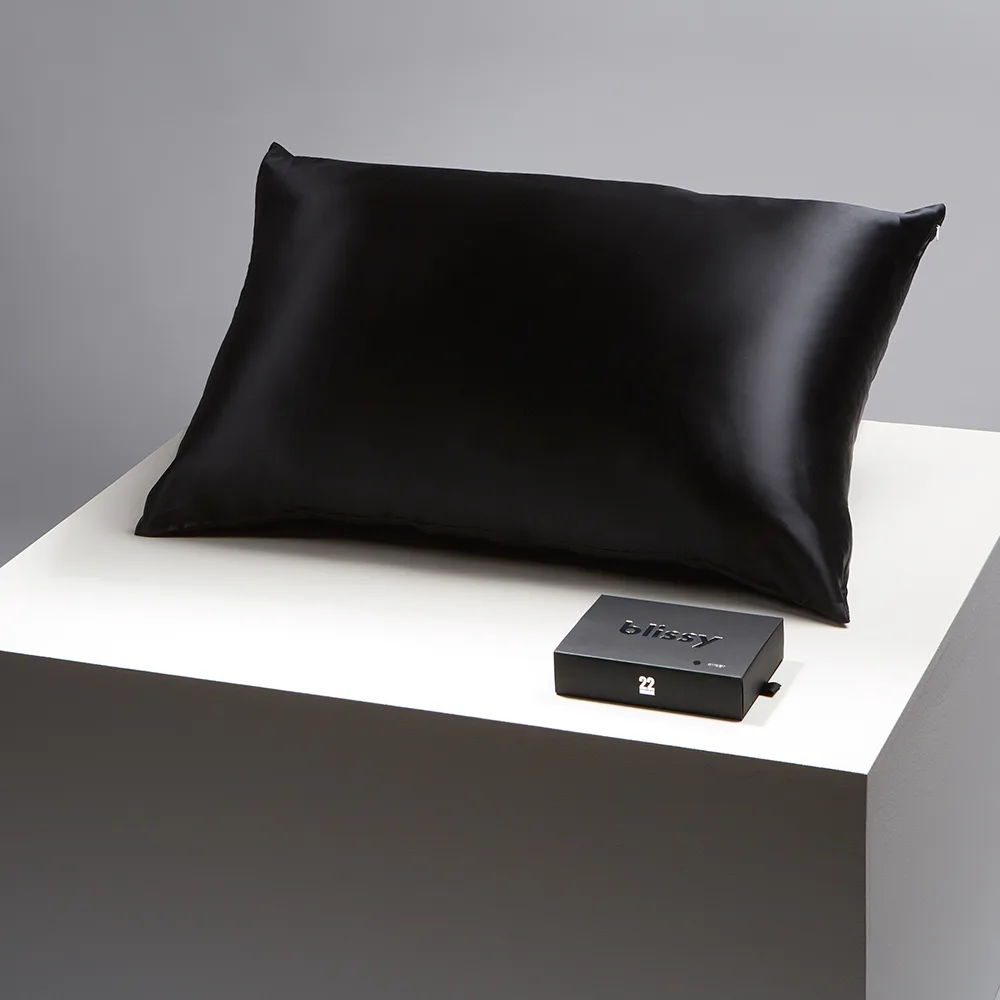
This guide walks through the full routine, hand washing and machine washing, stain removal for makeup, oil, and sweat, drying the right way, and the mistakes that wreck silk so you can avoid them. If you are deciding which silk case to buy, our Blissy pillowcase review covers the most-reviewed premium option on the market, and the wider wellness gadgets category has the rest of what we have tested.
TL;DR
- Hand wash or machine wash on cold, delicate, inside a mesh laundry bag.
- Use a mild liquid detergent made for silk or delicates.
- No heat anywhere: no hot water, no dryer, no ironing. Hang dry out of direct sun.
- No bleach, no fabric softener. Both damage silk.
- Wash every 1 to 2 weeks, weekly if you sleep in makeup or skincare.
- Blot stains, never rub. Soak stubborn ones in cold detergent water.
Why silk pillowcases need special care
Silk comes from silkworm cocoons. The fiber is made of fibroin, a protein, and proteins respond to heat and chemicals much more delicately than cotton or polyester do.
Hot water makes the protein structure swell and relax, which thins the filament and makes the fabric feel rougher over time. A dryer does the same with added mechanical tumbling. Harsh detergents with enzymes, which are great for removing protein stains from cotton, attack silk’s own protein. Bleach literally dissolves the fiber. Fabric softener coats it in a waxy residue.
That sounds like a lot of reasons to be nervous. But flip it around: silk needs so little to stay perfect. Cold water, gentle detergent, air drying. Those are cheap and easy. The reason so many silk pillowcases get ruined is not that cleaning is hard. It is that people run them through the same routine as everything else in the hamper.
A 2020 study in the Journal of the American College of Dermatology confirmed that protein-based fibers like silk degrade measurably when exposed to temperatures above 40 degrees Celsius, with the most significant damage occurring in the first five wash cycles. The takeaway is simple: cold water from the start preserves the fiber structure, and once you have damaged silk with heat, the damage is permanent.
What the momme weight actually tells you
If you are shopping for a silk pillowcase or trying to figure out how careful to be with the one you own, the number that matters is momme weight. Momme is the standard unit for measuring silk density, similar to thread count for cotton. A higher momme number means a heavier, more tightly woven fabric.
Most silk pillowcases on the market fall into three ranges:
- 19 momme. The entry point. Thinner, lighter, and more affordable. It feels smooth but is more prone to snagging and shows wear faster. Needs the gentlest care.
- 22 momme. The sweet spot for pillowcases. Dense enough to feel substantial, durable enough to handle regular machine washing with a mesh bag, and the weight that most premium brands including Blissy use.
- 25 momme and above. Luxury weight. Thicker, heavier, and more lustrous. It resists wrinkling better but costs more and is not necessarily easier to care for.
The care rules are the same regardless of weight. Cold water, mild detergent, no heat. But the practical reality is that a 19-momme case will show damage from a single hot wash faster than a 22-momme case, because there is less fiber to lose. If you own a thinner silk case, the mesh bag and delicate cycle are even more important.
One more detail: momme weight does not tell you the silk type. Mulberry silk, which comes from the Bombyx mori silkworm, is the standard for pillowcases. It is stronger and more uniform than wild silk orcharmeuse blends. Most brands that list momme weight are selling mulberry, but if the product page does not specify, ask.
If you are shopping for a silk pillowcase and want one that handles the care routine in this guide, the Blissy uses 22-momme mulberry silk and is the most-reviewed option in its price range. It ships with a 60-night trial, which gives you time to test the hand-wash method before you commit.
Check the care label first
Before any cleaning method, read the care label sewn into your pillowcase. Most silk brands print one of three instructions.
- Machine wash cold. Safe to machine wash on cold, delicate, with mild detergent.
- Hand wash cold. The brand wants you to wash by hand, usually because the silk is lighter or more delicate.
- Dry clean only. The silk is too fragile for water, often because of the dye or construction.
Follow the label. A case that says dry clean only is usually thin or decorative silk, and home washing risks shrinkage and dye bleed. For the common 22-momme and heavier mulberry cases, like the Blissy I reviewed, machine washing cold with the mesh-bag method is safe and approved.
What you need to clean silk pillowcases
The supply list is short and cheap.
- A mesh laundry bag. Protects the silk from the drum and from snagging.
- A mild liquid detergent. Look for the word “delicate” or “silk” on the bottle. Eucalan, Woolite Delicates, and The Laundress are common options.
- Cold water.
- A clean towel for the rolling-dry trick.
- A drying spot out of direct sunlight.
No fabric softener. No bleach. No dryer sheets. If the product you are reaching for does not say silk-safe, it does not go near the silk.

How to hand wash a silk pillowcase
Hand washing is the gentlest option and the best first experience with a new silk case. It gives you total control over the water, the detergent, and the handling.
Step 1. Fill a basin with cold water. A clean sink or a small tub works. Add a small amount of mild detergent, about a teaspoon per liter of water, and swish to mix.
Step 2. Submerge and press. Turn the case inside out and push it under the water. Gently press the water through the silk with your hands for a minute or two. Do not twist, wring, or scrub. The goal is to move soapy water through the fibers, not to agitate them hard.
Step 3. Soak briefly. Let it sit 3 to 5 minutes. This is enough time for the detergent to lift oils and product without over-exposing the fiber.
Step 4. Rinse in clean cold water. Drain the basin, refill with clean cold water, and press the case through it a few times. Repeat until the water runs clear. Leftover detergent residue is what makes silk feel stiff, so rinse well.
Step 5. Remove water without wringing. Lay the case flat on a clean towel, roll the towel and case up together, and press down gently. The towel absorbs the water. Never twist or wring the silk itself.
Step 6. Hang or lay flat to dry. Use a padded hanger or lay it flat on a dry towel, out of direct sunlight and away from heat. Reshape it while damp. Silk dries quickly, usually within a few hours.
How to machine wash a silk pillowcase
Machine washing is safe for most real silk cases if you do it right, and it is what I use for my 22-momme Blissy. The machine does the work; your job is to protect the silk inside it.
Step 1. Turn the case inside out. This protects the dyed outer surface and tucks the zipper or seam out of the drum’s direct path.
Step 2. Put it in a mesh laundry bag. This is non-negotiable. The bag stops the silk from slapping against the drum and from snagging on anything else in the load. Silk snags easily and a snag is permanent.
Step 3. Wash alone or with other delicates. Never mix silk with jeans, towels, or anything with zippers, hooks, or buttons. One rough item in the load can shred the silk.
Step 4. Select cold, delicate. Cold water, the delicate or hand-wash cycle, and a low spin if your machine offers it. Add a small amount of mild detergent, a teaspoon or two, not a full scoop.
Step 5. Hang dry. Take the case out of the bag, give it a gentle shake, and hang it on a padded hanger or shower rod out of direct sun. Reshape while damp. Do not put it in the dryer.
How to dry silk pillowcases
Drying is where most silk gets destroyed, because heat is the enemy.
Hang the case flat or on a padded hanger, away from direct sunlight and heat sources. Sunlight can yellow white silk and fade dyed silk, so an indoor spot near a window is fine as long as the sun is not beaming directly on it for hours.
Reshape the case while it is damp. Pull it gently back into its rectangle so it dries wrinkle-free. If you do get wrinkles, hang it in a steamy bathroom or press it with an iron on the lowest setting with a pressing cloth between the iron and the silk. Silk needs a low heat and a barrier, never a bare hot iron.
Do not hang silk by a clothespin directly on the fabric, which can leave permanent pinch marks. If you must pin it, use a padded hanger or fold the edge over the line.
How to remove stains from silk pillowcases
Makeup, facial oil, and sweat are the usual suspects. Each has a best response.
Makeup. Blot, do not rub. Rubbing pushes pigment into the weave and abrades the fiber. Put a drop of mild detergent on the stain, work it in gently with your fingertips, and let it sit 5 to 10 minutes before the wash. For heavy foundation or mascara, soak the case in cold detergent water for 20 minutes first.
Facial oil and serum. These leave a faint translucent shadow and a slightly stiff patch. Wash the case inside out on cold so the oil-facing surface gets direct detergent contact. If the mark lingers, a drop of gentle dish soap on the spot, worked in and rinsed, usually clears it.
Sweat. Cold water and mild detergent handle it. Do not let a sweaty case sit for weeks. Sweat can set a yellow stain in white silk if it is left to bake in. Wash on your normal schedule and it stays a non-issue.
Blood. The rule is cold water, never warm. Warm water cooks blood proteins into the fabric. Soak in cold water immediately, then hand wash with a little detergent. Repeat if needed.
Wine and coffee. Blot immediately, same as makeup. Rinse under cold running water from the back of the fabric so the stain pushes outward, not inward. Then apply a drop of mild detergent, let it sit 10 minutes, and wash. For red wine specifically, a paste of cold water and a tiny amount of salt applied before the detergent step can help draw the pigment out. Do not use hot water or club soda, both of which can set the stain.
Ink. Ballpoint ink is oil-based and responds to a small amount of rubbing alcohol on a cotton ball, dabbed gently on the stain. Work from the outside edge inward so the stain does not spread. Rinse cold, then wash. Gel ink and fountain pen ink are water-based and usually come out with a cold detergent soak alone. Test any solvent on a hidden corner first.
Yellowing. Yellow stains on white silk usually come from body oils and sweat that have oxidized over time. Soak the case in cold water with a tablespoon of white vinegar per liter for 30 minutes, then wash as normal. For stubborn yellowing, a silk-safe oxygen brightener works, but never use chlorine bleach on white silk. It turns the fabric a worse shade of yellow.
What not to use. No bleach, ever. No harsh stain pens with solvents. No rubbing alcohol on the silk. If a stain will not budge with a cold detergent soak, take the case to a dry cleaner instead of attacking it with chemicals.
What never to do with silk pillowcases
- No dryer. Heat shrinks, thins, and stresses silk. The number one killer.
- No hot water. Same heat damage, slower. Cold only.
- No bleach. Attacks the protein fiber itself.
- No fabric softener. Coats the fibers and dulls the sheen.
- No wringing or twisting. Distorts the weave. Press and roll instead.
- No washing with rough items. Jeans, towels, zippers, and hooks shred silk.
- No direct sun drying. Yellows white silk, fades dyed silk.
- No hot ironing. Low setting and a pressing cloth only, or skip the iron.
None of these is instantly fatal on its own. They are cumulative. One warm wash will not ruin a case. A year of warm washes and dry cycles will.
Hand wash vs machine wash vs dry clean
| Method | Gentleness | Time | Cost | Best for |
|---|---|---|---|---|
| Hand wash, cold | Highest | ~15 minutes hands-on | Free | Delicate silk, first washes, stained cases |
| Machine, cold + mesh bag | High | ~30 minutes unattended | Free | Most 22-momme and heavier silk, weekly routine |
| Machine, no bag | Medium | ~30 minutes | Free | The shortcut that adds wear to seams and zippers |
| Dry clean | High | 1 to 3 days | $10 to $20 | Dry-clean-only labels, fragile decorative silk |
The safe choices are hand wash, machine with a mesh bag, and dry clean for labeled pieces. The machine-without-a-bag shortcut works but slowly shortens the case’s life, and the dryer ruins silk outright.
If you want a silk pillowcase that survives this care routine for years, the Blissy is the one I tested it on. 22-momme mulberry silk, hidden zipper, and a 60-night trial if you want to test the hand-wash method first.
How to keep silk pillowcases soft
Stiffness after washing is the most common complaint I hear, and it is almost always a residue problem, not a fabric problem.
Leftover detergent is the usual cause. Silk rinses need to be thorough, and most machines use more detergent than silk wants. Use a small amount of detergent and run an extra rinse on cold if your machine offers one. In hand washing, keep rinsing until the water runs completely clear.
Hard water minerals can also leave a film. If your tap water is hard and silk keeps coming out stiff, a final cold rinse with a splash of distilled water, or a dedicated silk-friendly wash, can help. Do not reach for fabric softener. That is the wrong fix and it leaves its own residue.
One trick that works: after the final rinse, add a tiny splash of white vinegar to the last basin of cold water. Vinegar dissolves mineral deposits and helps restore the natural drape. Use about a tablespoon per liter, soak for two minutes, then hang dry. The vinegar smell disappears completely as the case dries. Do not use vinegar on dyed silk if the color is new or uncertain, because acidic water can affect some dyes.
How often should you clean silk pillowcases
Every 1 to 2 weeks for a pillowcase used every night. Lean toward weekly if you sleep in makeup, use heavy night creams or serums, or sweat noticeably. Those things build up on silk faster because silk is less absorbent than cotton, so the product sits on the surface instead of soaking in.
Do not wash silk daily. Silk is durable, but every wash is a small amount of mechanical wear, and there is no benefit to more frequent cleaning. A pillowcase does not get dirty the way towels do.
If you own two silk cases, rotating them helps. One on the bed, one washed and drying, spread the wear so neither is under constant stress. It also means you never sleep on a damp or barely-dried case.
How to store silk pillowcases when not in use
If you rotate between cases or put one away for a season, storage matters. Fold the clean, dry case loosely and place it in a breathable cotton bag or a pillowcase made of natural fabric. Do not store silk in plastic bags or sealed containers, because trapped moisture promotes mildew and can cause yellowing.
Keep it away from direct sunlight, even in storage. Ultraviolet light degrades silk over time the same way it fades fabric on a clothesline. A drawer or closet shelf works. If you are storing a case for months, check on it every few weeks to make sure no moisture has accumulated.
One mistake people make: putting lavender sachets or cedar blocks directly against silk. The oils in those natural repellents can stain the fabric. Place them near the silk, not touching it.
The one-sentence summary
Cleaning a silk pillowcase is three rules: cold water, mild silk-safe detergent, and no heat anywhere, with gentle handling and air drying doing the rest.
Verdict
Silk pillowcases are not high maintenance. They are specific. Cold water, a mild detergent, a mesh bag if you machine wash, and hang drying will keep real mulberry silk looking new for years, which is what makes the upfront price sting less. The people who ruin silk cases are not lazy, they are just running them through the same routine as their cotton sheets.
Do the three rules and the silk does the rest. If you are shopping for your first quality case, the Blissy is the most-reviewed option and the care routine above is exactly what I used on it, you can see today’s Blissy price and it ships with a 60-night guarantee. For the Blissy-specific step-by-step, our guide on washing a Blissy silk pillowcase goes deeper on the zipper and the machine method.
Frequently Asked Questions
Can you machine wash silk pillowcases?
Is it better to hand wash or machine wash silk pillowcases?
Can I put silk pillowcases in the dryer?
What detergent is safe for silk pillowcases?
How often should I wash silk pillowcases?
How do I get makeup stains out of silk?
Can I use fabric softener on silk pillowcases?
Why does my silk pillowcase feel stiff after washing?
Should I wash a silk pillowcase before first use?
Can I dry clean silk pillowcases?
Does washing silk damage it over time?
More Wellness Gadgets Articles


Related Product Reviews


Dr. Sarah Kim
Health tech researcher and wellness gadget reviewer. PhD in Biomedical Engineering. Tests sleep trackers, massage devices, and health monitors with clinical precision. Believes in data-driven wellness.
Affiliate disclosure:This article contains affiliate links. If you buy through them, GearPuff may earn a commission at no extra cost to you. It keeps our testing independent and our reviews free.