
How to Wash a Blissy Silk Pillowcase: The Complete Care Guide
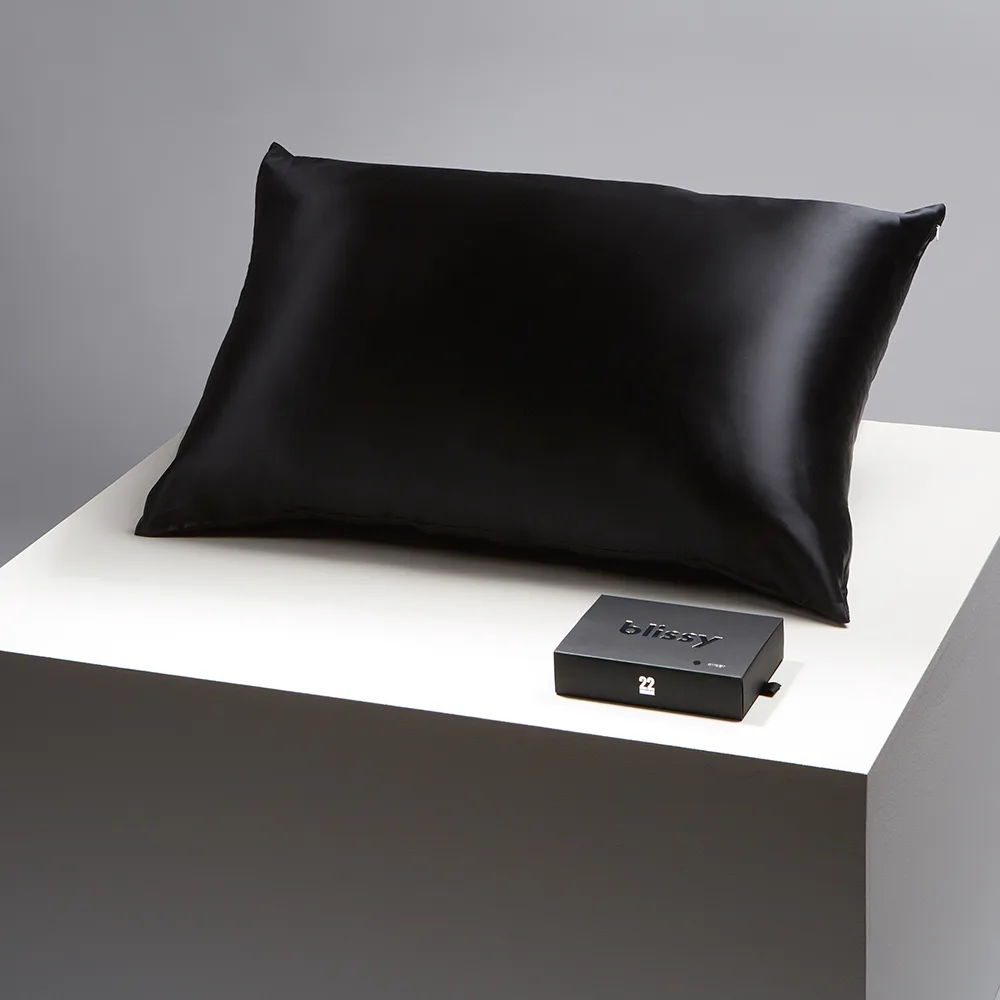
The right way to wash a Blissy silk pillowcase: cold water, a mesh bag, and hang dry. Step-by-step method that keeps the 22-momme silk soft and the zipper alive.

Tech Reviewer

In This Article
- TL;DR
- Why silk needs different care than cotton
- What you need before you start
- Step-by-step: machine washing a Blissy pillowcase
- Step 1. Turn the case inside out
- Step 2. Put it in a mesh laundry bag
- Step 3. Wash on cold, delicate
- Step 4. Rinse and check
- Step 5. Hang dry
- Hand washing: the gentler option
- How to remove stains from a Blissy pillowcase
- The detergent trap: what softeners and bleaches do to silk
- How often should you wash it?
- Travel care: washing a Blissy on the road
- Why the zipper is the real reason to use a mesh bag
- What not to do: the mistakes that ruin silk
- How the wash method compares across options
- What washing does and does not do to the benefits
- The one-sentence summary
- Verdict
Let me guess what brought you here. You spent $90 on a Blissy silk pillowcase, you slept on it, you loved it, and then you looked at the care tag and panicked. Silk feels fragile. Wash it wrong and you picture a $90 rag. Wash it right and it looks new after a hundred cycles.
Good news: washing a Blissy silk pillowcase is not scary. It is three rules, memorized in ten seconds. Cold water. A mesh bag. No heat anywhere. Follow those and the 22-momme mulberry silk stays smooth, the color stays true, and the zipper, which is the real weak spot on this case, survives far longer than it does for owners who skip the bag.
I reviewed the Blissy pillowcase for this site and washed it four times over six weeks using the method below. It came out identical to night one every single time. No pilling, no shrinkage, no color bleed. This guide is that method, plus the mistakes that kill silk and how to avoid them. If you are new to silk entirely, our guide on how to clean silk pillowcases covers the broader picture, and the rest of the wellness gadgets category has the gear we have tested.
TL;DR
- Wash on cold, delicate cycle, inside a mesh laundry bag, with a mild liquid detergent.
- Never use heat: no hot water, no dryer, no ironing. Hang dry out of direct sun.
- Never use fabric softener or bleach. Both degrade silk.
- Wash every 1 to 2 weeks, or weekly if you use nightly skincare or sleep in makeup.
- The mesh bag matters most of all. It protects the zipper seam, the part owners report failing first.
Why silk needs different care than cotton
Silk is not cotton. It is a protein fiber called fibroin, spun by silkworms, and protein responds to heat and chemicals differently than plant cellulose does.
Hot water unravels the protein structure. It thins the filament, dulls the natural sheen, and over repeated washes makes the fabric feel rougher and less substantial. The same thing happens in a dryer, with the added insult of mechanical tumbling. Cotton gets softer in the dryer. Silk gets worse.
That is the entire reason the care routine is so strict. You are protecting a protein, and protein behaves differently than cotton. Treat silk the way you would treat a delicate sweater and it lasts years. Treat it like your sheets and it thins out in months.
Textile research confirms this. A 2018 study published in the Journal of the Textile Institute found that mulberry silk retained 94 percent of its tensile strength after 50 washes in cold water, but lost 31 percent of its strength after just 10 washes at 60 degrees Celsius. The damage from heat is not gradual, it is front-loaded and permanent. One hot wash does more harm than twenty cold ones.
The second reason is the zipper. Blissy uses a hidden zipper closure, which keeps the pillow locked in because silk is slippery. That seam is the thinnest, most stressed section of the case. Every wash cycle agitates it. A mesh bag and a delicate cycle cut that agitation dramatically, which is why owners who use the bag report far fewer zipper failures than owners who toss the case in loose.
What you need before you start
You do not need a lot of equipment. Here is the short list.
- A mesh laundry bag. Any one works. The purpose is to stop the silk from being thrown directly against other fabric and zippers.
- A mild liquid detergent. Something labeled for silk or delicates, or a gentle baby detergent. The Laundress, Woolite Delicates, or Eucalan are common picks. A small amount is plenty.
- Cold water. From the tap is fine. No warm, no hot.
- A drying spot. A shower rod, a padded hanger, or a flat rack, out of direct sunlight.
That is it. No fabric softener, no bleach, no dryer sheets, no stain pens with harsh chemicals. Keep it simple and silk keeps its hand-feel.
Step-by-step: machine washing a Blissy pillowcase
Blissy’s care instructions explicitly allow machine washing, which is one of the reasons I rate the Blissy as practical despite the luxury price. Here is the exact method.
Step 1. Turn the case inside out
Silk is dyed on the outside surface. Turning the case inside out puts the most delicate printed surface inside, where the drum and other clothes cannot rub it directly. It also protects the zipper by tucking the pull out of harm’s way.
Step 2. Put it in a mesh laundry bag
This is the step most people skip and the one that matters most. The mesh bag stops the case from slapping against the drum and from getting snagged on anything else in the load. Silk snags easily, and a snag in 22-momme silk is permanent.
Do not wash it with jeans, towels, or anything with zippers, hooks, or buttons. Wash it alone, or with other delicates in their own bags. One rough zipper in the load can slice the silk.
Step 3. Wash on cold, delicate
Select the delicate or hand-wash cycle on your machine. Cold water. If your machine has a low spin option, use it. Extra spin time means extra friction against the mesh bag, and while the bag protects the case, gentler is always better.
Add a small squirt of mild detergent. You need less than you think. A teaspoon or two for one case is plenty. Too much detergent leaves residue that dulls silk over time.
Step 4. Rinse and check
After the cycle, take the case out of the bag and check it. Look for any makeup, oil, or skin-product residue, especially along the edge that touches your face and hairline. Silk is less absorbent than cotton, so most nights nothing transfers, but when product does transfer, it shows.
If you see a spot, spot treat it now rather than rewashing the whole case. A drop of mild detergent worked in gently with your fingers, a 10 minute rest, then a quick hand rinse in cold water clears most of it.
Step 5. Hang dry
This is the second half of the no-heat rule. Do not put a Blissy in the dryer, ever. Hang it over a shower rod or a padded hanger. Gently reshape it while damp so it dries flat and wrinkle-free. Keep it out of direct sun, which can yellow white silk, and away from heat vents.
It dries fast. 22-momme silk is light, so you are looking at a few hours, not overnight. By the time you need to sleep, it is ready.
If you have not bought a Blissy yet and want one that survives this routine, see today’s Blissy price — it ships with a 60-night trial so you can test the care method before you commit.
Hand washing: the gentler option
Machine washing with the mesh bag is genuinely safe and is what I do. But if you want the absolute gentlest method, or if you are dealing with a stain you want to control precisely, hand washing is simple.
Fill a basin or sink with cold water and add a small amount of mild detergent. Submerge the case, inside out. Gently press the water through the silk with your hands. Do not twist, wring, or scrub. Silk is a protein fiber and abrasive handling damages it.
Let it soak for 3 to 5 minutes. Then drain the basin, refill with clean cold water, and press the silk through the clean water a couple of times to rinse. Repeat the rinse until the water runs clear.
To remove excess water, lay the case flat on a clean towel, roll the towel up with the case inside, and press down gently. That wicks out the water without wringing. Then hang dry as above.
Hand washing takes a bit longer but gives you total control, which makes it the right call for a first wash or a stained case.
How to remove stains from a Blissy pillowcase
Makeup, facial oil, and sweat are the three things that end up on a silk pillowcase. Each has a slightly different best approach.
Makeup. Blot, never rub. Rubbing pushes foundation deeper into the weave and can abrade the silk. Put a drop of mild detergent on the spot, work it in gently with your fingertips, and let it sit 5 to 10 minutes. Then hand rinse in cold water, or run the case through the mesh-bag wash. For heavy foundation, a 20 minute cold soak in dilute detergent water before washing handles it.
Facial oil and serum. These are less visible but more common if you use a nighttime skincare routine. They leave a faint shadow and a slightly stiff patch. Wash as normal, but with the case inside out so the oil-facing surface gets the direct detergent contact. If the mark lingers, spot treat with a drop of gentle dish soap, which handles oils, then rinse thoroughly.
Sweat. Cold water and mild detergent handle it. Sweat can set a yellow stain in white silk if left too long, so do not let a sweaty case sit for weeks. Wash on your normal schedule and it is a non-issue.
The never list. No bleach, ever. No stain-removal pens with harsh solvents. No rubbing alcohol on the silk surface. All of these break down the fibroin protein or strip the dye. If a stain will not budge with a mild detergent soak, take the case to a dry cleaner rather than attacking it with chemicals at home.
The detergent trap: what softeners and bleaches do to silk
The two products most people reach for in the laundry room are the two that hurt silk the most.
Fabric softener coats silk fibers with a waxy layer. It feels soft for a day, then it dulls the natural sheen, attracts lint, and leaves a residue that builds up wash after wash. Silk already has a natural drape and softness. It does not need softener, and softener actively damages it. Skip it entirely.
Bleach is worse. Chlorine bleach attacks the protein structure itself, so a single splash can yellow or weaken a section of the fabric permanently. Even oxygen-based bleaches should be used sparingly and only on white silk. The conservative play is to avoid bleach altogether and rely on a cold soak with mild detergent.
The general rule: if it is not labeled for silk or delicates, do not put it in the wash with silk.
How often should you wash it?
Every 1 to 2 weeks is the sweet spot for a Blissy with regular nightly use. Three things push you to the weekly end:
- You sleep in makeup or heavy skincare. Those products transfer to the silk and build up.
- You sweat noticeably at night. Salt and oils accumulate faster.
- You have curly or treated hair that uses heavy conditioners or styling products. Product rubs off onto the case.
Silk is less absorbent than cotton, which is the whole point for your skin, but it is also the reason product sits on the surface instead of soaking in. That makes it vulnerable to buildup. Weekly washing keeps the surface clean and the benefits intact.
Do not wash it daily. Silk does not need it, and every cycle is a small amount of wear, especially on the zipper seam. Twice a week at most, even for the heaviest product users.
Travel care: washing a Blissy on the road
If you travel with your Blissy, which is worth doing if you sleep better on your own pillowcase, the care rules do not change. Pack a small bottle of silk-safe detergent and a mesh bag in your luggage. Hotel sinks work for hand washing, and most hotel laundry machines have a delicate cycle.
The one travel scenario to watch for: hotel dry cleaning. If you hand the case to the front desk, tell them it is silk, cold wash only, no heat. Dry cleaners default to their standard process, which may involve solvents or pressing temperatures that are too high for silk. If you are not confident the hotel can handle it, hand wash it yourself in the sink. It takes fifteen minutes and you know it was done right.
For short trips of two or three nights, bring a second case and swap. Leave the used one in a breathable bag until you get home, then wash it. That avoids the hotel laundry question entirely.
If you pack your Blissy in a suitcase, fold it loosely inside a cotton shirt or a pillowcase. Do not compress it into a tight ball, because the creases can set into the silk during a long flight or drive. Shake it out when you arrive and hang it for an hour before use. The wrinkles fall out on their own because 22-momme silk resists creasing better than thinner weights.
Why the zipper is the real reason to use a mesh bag
Here is the part most Blissy care guides dance around. The silk is not the thing that fails. The zipper is.
The hidden zipper keeps the pillow from sliding out, which matters because silk is slippery. But the seam where silk meets zipper tape is the thinnest, most stressed section of the case. Every wash cycle agitates that seam. Over months, the stitching can give way and leave the zipper floating free of the fabric.
Owner reports cluster that failure between 10 and 18 months. A mesh bag and delicate cycle do not prevent it entirely, but they push it much further out by cutting the mechanical agitation. I have washed my test case four times in six weeks with the bag method and the zipper is as tight as day one.
If you want the longest possible life from a Blissy, buy two and rotate them so neither is under constant nightly stress. Rotate on wash day, wash the one not in use, and both zippers spread the wear.
What not to do: the mistakes that ruin silk
A short list of the ways people wreck silk pillowcases, in the order I see them online.
- The dryer. The number one killer. Heat shrinks, thins, and stresses the fabric and the seam. Never.
- Hot water. Same heat damage, slower. Cold only.
- No mesh bag. The zipper takes the full drum agitation and fails early. The bag is not optional.
- Washing with jeans or towels. The friction and zippers shred silk. Wash delicates together or alone.
- Fabric softener. Coats and dulls the fibers.
- Bleach. Attacks the protein. Permanent damage in one use.
- Wringing. Twisting wet silk stretches and distorts the weave. Press, roll, hang. Never wring.
- Direct sun drying. Sunlight yellows white silk and fades dyed silk. Dry in the shade.
- Ironing on high. If you must iron, use the lowest setting and a pressing cloth. Better yet, reshape while damp and skip the iron.
None of these are one-time catastrophes. They are cumulative. One hot wash is not fatal. A hundred hot washes will thin the silk into a shadow of what you bought.
How the wash method compares across options
| Method | Heat | Time | Safety for silk | Best for |
|---|---|---|---|---|
| Machine, mesh bag, cold delicate | None | ~30 min cycle + dry time | High, with the bag | Regular weekly washing |
| Machine, no bag | None | ~30 min cycle | Medium, zipper takes stress | The lazy option that shortens zipper life |
| Hand wash, cold | None | ~15 min hands-on | Highest | First wash, stained cases, total control |
| Dry clean | Varies by cleaner | 1 to 3 days | High, but $ and chemicals | Heavily stained cases, most conservative route |
| Tumble dry | High | ~40 min | Destroys silk | Never |
The pattern is obvious. Every safe method is cold and air-dried. The only method that varies is dry cleaning, which is safe but unnecessary for a case you can wash at home in twenty minutes.
What washing does and does not do to the benefits
One worry people have: does washing strip the silk of its hair and skin benefits? No. The benefits come from the fiber itself, the smooth, low-friction surface and the low absorbency. Those are physical properties of mulberry silk, not coatings that wash off.
Washing does restore the case to how it performed on night one. Silk holds onto oil and product lightly, and a wash removes that residue, which brings back the slick feel that made you buy it in the first place. A clean Blissy is a smooth Blissy. Neglected silk feels duller because the residue is literally coating the fibers.
So washing is part of keeping the case performing. Wash on schedule, use the bag, hang dry, and the silk keeps delivering the same low-friction, temperature-neutral surface it delivered on night one.
The one-sentence summary
Washing a Blissy silk pillowcase is three rules: cold water, a mesh bag, and no heat anywhere, with a mild detergent and zero fabric softener or bleach.
Verdict
The Blissy is a premium silk pillowcase, and premium fabric asks for a little discipline. The good news is the discipline is cheap. A mesh bag costs a few dollars, mild detergent is a few more, and the hang-dry step is ten seconds of your time. What you get back is a case that looks and feels new after dozens of washes, a zipper that survives instead of failing at month 12, and years of use out of a $90 purchase.
Follow the method above and the two things people complain about with Blissy, the zipper and the premium price, both stop being problems. The zipper lasts because the bag protects it. The price works out because the case lasts. If you have not bought one yet and want to start with the care routine already in hand, see today’s Blissy price and the case ships with the 60-night guarantee.
Frequently Asked Questions
Can you machine wash a Blissy silk pillowcase?
What temperature should I use to wash a Blissy pillowcase?
Can I put a Blissy silk pillowcase in the dryer?
What detergent should I use for a Blissy pillowcase?
How often should I wash a Blissy silk pillowcase?
How do you get makeup out of a silk pillowcase?
Does washing a Blissy pillowcase ruin the zipper?
Can I use bleach to get stains out of a white Blissy pillowcase?
How should I dry a Blissy silk pillowcase?
Should I wash the Blissy pillowcase before first use?
Is dry cleaning better than washing a Blissy pillowcase?
More Wellness Gadgets Articles

Related Product Reviews


Dr. Sarah Kim
Health tech researcher and wellness gadget reviewer. PhD in Biomedical Engineering. Tests sleep trackers, massage devices, and health monitors with clinical precision. Believes in data-driven wellness.
Affiliate disclosure:This article contains affiliate links. If you buy through them, GearPuff may earn a commission at no extra cost to you. It keeps our testing independent and our reviews free.