
In This Article
- TL;DR
- Why your pillow causes neck pain
- The first question: how do you sleep?
- The second question: what loft do you need?
- The third question: contour or plush?
- The two pillows we tested for neck pain
- Derila Ergo: the targeted neck support pick
- FluffCo: the plush hotel-comfort pick
- FluffCo vs Derila: which one is for you
- How to choose in 4 steps
- Common mistakes when picking a neck pillow
- When to replace your pillow
- When a pillow is not the answer
- Pillow materials and what each one does to your neck
- The one-sentence summary
- Verdict
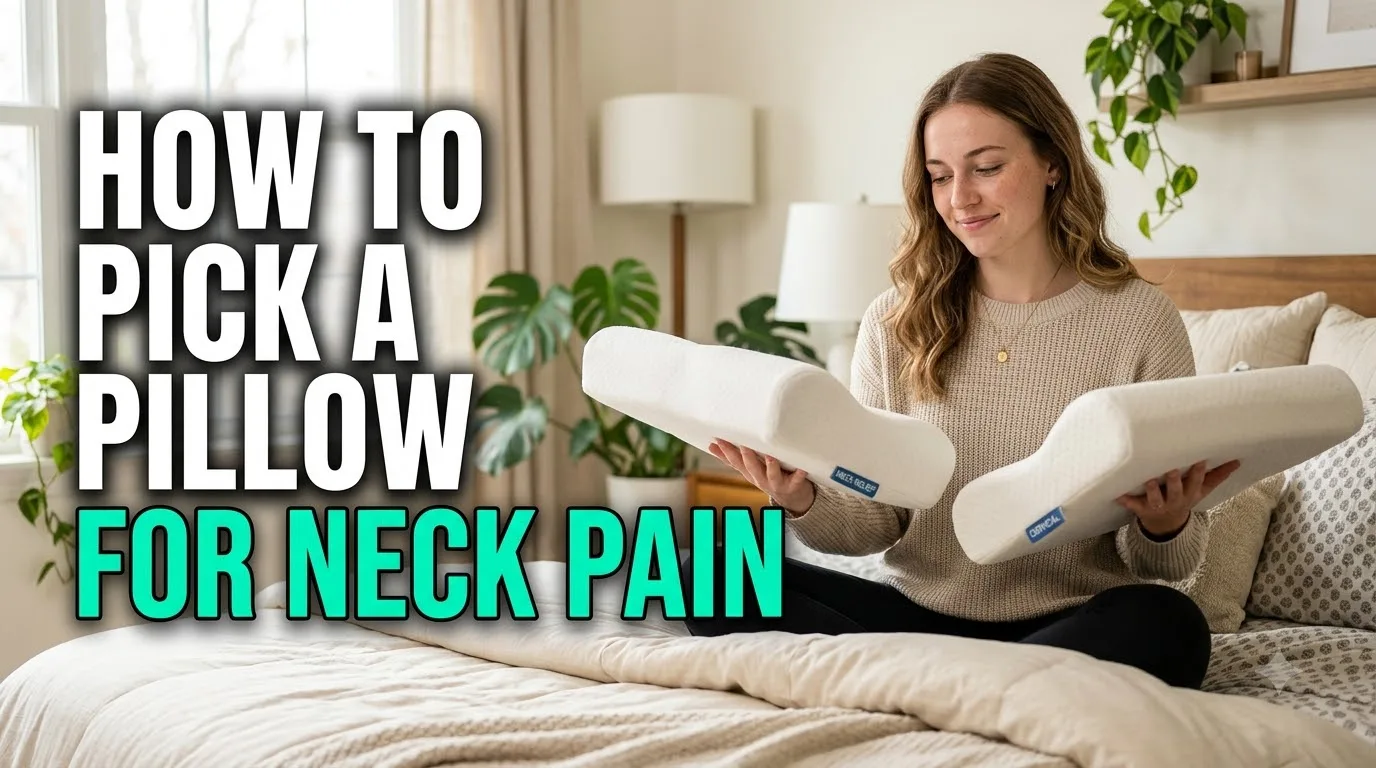
Neck pain from sleeping is almost always a pillow problem. Your pillow’s only job at night is to hold your head in a straight line with your spine. When it is too flat, your head drops and the neck bends. When it is too tall, your chin tilts toward your chest and the back of the neck compresses. Either way you wake up stiff, and you blame your neck instead of the real culprit.
The fix is not buying the most expensive pillow. It is buying the right type of pillow for your body and sleep position. Get that right and a $40 pillow beats a $200 pillow. Get it wrong and no price saves you.
This guide covers the four things that actually decide whether a pillow helps your neck: sleep position, loft, fill type, and firmness. And because you should not have to read spec sheets in the dark, I will name the two pillows I have personally tested that solved morning stiffness, the FluffCo and the Derila, and exactly who each one is for. The rest of the wellness gadgets category has the other sleep and recovery gear we have tested.
TL;DR
- Sleep position is the whole game. It sets the loft you need before you look at any brand.
- Side sleepers need 4 to 5 inches of loft, back sleepers 3 to 4, stomach sleepers under 2.
- Firmness tracks position: medium-firm for side and back, soft and thin for stomach.
- Contour pillows (like the Derila) hold your neck in place. Plush pillows (like the FluffCo) cradle it.
- The Derila fixed my morning stiffness from 5.5 to under 2 on a 10-point scale over 4 weeks. The FluffCo delivered genuine hotel comfort but softer support.
- Give any new pillow 1 to 2 weeks. If it has not helped, the loft is wrong for you.
Why your pillow causes neck pain
Your cervical spine has a natural curve called lordosis. When you sleep, the pillow’s job is to preserve that curve. A pillow that is too flat lets your head tilt sideways and stretches the muscles on one side of your neck all night. A pillow that is too tall pushes your chin toward your chest and compresses the back of your neck.
A 2014 study in the Journal of Manipulative and Physiological Therapeutics tested contoured pillows against standard flat pillows in people with chronic neck pain. The contoured group reported significantly less morning pain intensity after 2 weeks. The researchers credited better cervical alignment during sleep. That is the mechanism every good neck pillow is chasing: keep the spine neutral and the muscles relax.
The practical takeaway is simpler than the anatomy. You are choosing a height and a shape that match your body. Everything else, the brand, the price, the marketing, is secondary. And if your neck still feels tight during the day even with the right pillow, a TENS collar like the Hilipert can loosen desk-tension between sleeps.
The first question: how do you sleep?
This is the single most important question, and almost everyone gets it slightly wrong. You think you are a back sleeper because you fall asleep on your back. Most people change position through the night. What matters is the position you spend the most time in.
Side sleepers. Your neck needs a taller pillow that fills the gap between your shoulder and ear. Too short and your head drops toward the mattress, bending the neck laterally. This is the most common neck pain profile, and it needs 4 to 5 inches of loft.
Back sleepers. Your neck needs a medium loft, 3 to 4 inches, with a slight contour under the cervical curve. A pillow that is too tall pushes your chin down. One that is too flat lets your head roll back.
Stomach sleepers. This is the hardest position for your neck. Stomach sleeping already rotates the cervical spine, and any meaningful loft makes it worse. You need a very thin, soft pillow, under 2 inches, or no pillow at all. Most ergonomic pillows, including the Derila, are wrong for you.
How to find your dominant position: set up your phone or a voice recorder, or simply notice where you wake up for a few nights. The position you wake in is usually the one you spend most of the night in. Buy for that position.
The second question: what loft do you need?
Loft is the pillow’s height. It is the measurement that matters most, and it is the one most people ignore.
Here is the simple method. Measure the distance from the side of your neck to the outside edge of your shoulder. That number is the loft your pillow should roughly match when you sleep on your side. It is the gap your pillow has to fill.
- Narrow shoulders or shorter neck: 3 to 4 inches of loft.
- Average build: 4 to 5 inches.
- Broad shoulders or taller frame: 5 inches or more.
Back sleepers subtract about an inch from their side-sleeping number, because the shoulder is not in the way. Stomach sleepers go to nearly zero.
The Derila has a fixed 4.7-inch loft. That makes it excellent for average side and back sleepers and a poor match for stomach sleepers or people under about 5’4” with short necks. The FluffCo comes in soft and firm options, which lets you choose your height instead of living with one.
The third question: contour or plush?
Once you know your position and loft, you choose between the two main pillow architectures.
Contour pillows have a shaped surface, a scooped head cradle and raised side wings. They hold your head and neck in a fixed, neutral position. This is the design with the clinical support, and it is the stronger choice for actual neck pain.
Plush pillows are the classic rectangular hotel pillow. They are soft, cushiony, and let your head sink in. They feel amazing, but they do not hold your neck in place. They cradle rather than align.
For neck pain specifically, contour wins. The raised wings fill the shoulder-to-ear gap that flat pillows ignore, and the cradle keeps the back of your skull from rolling. That is the shape that the research links to reduced morning pain.
Plush still has a place. If your pain is mild, if you only wake stiff occasionally, or if you simply cannot sleep on a firm shaped pillow, a quality plush pillow with enough loft is fine. Just know what you are buying: comfort first, alignment second.
The two pillows we tested for neck pain
I have reviewed both of the pillows this guide keeps pointing to, on a real bed, for 4 weeks each, tracking morning neck stiffness on a 1 to 10 scale. Here is what each one actually does.
Derila Ergo: the targeted neck support pick
The Derila is a contoured memory foam pillow shaped like a butterfly. A scooped center cradles the back of your skull, raised side wings fill the shoulder-to-ear gap, and the firm foam holds the shape all night.
It worked. My morning stiffness dropped from a 5.5 baseline to under 2 on my 10-point scale by weeks 3 and 4 of testing. The adjustment was real, the first two nights were honestly uncomfortable, then the foam softened to my shape and the stiffness faded. By day 10 it was just my pillow.
The trade-offs are genuine. The foam retains heat, so hot sleepers notice warmth by mid-night. The 4.7-inch loft is fixed, which means it suits average side and back sleepers and misses everyone else. And the company has an F BBB rating with documented complaints about returns and checkout add-ons. The pillow is good. The buying experience demands caution.
Who it is for: side and back sleepers with mild to moderate neck stiffness who want firm, structured support and are willing to follow the return process carefully.

FluffCo: the plush hotel-comfort pick
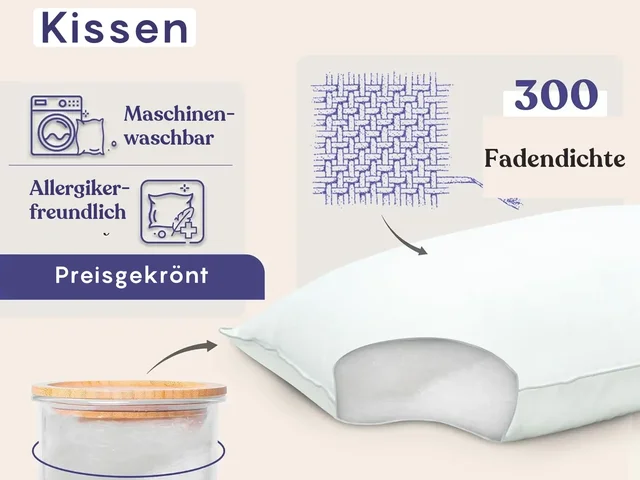
The FluffCo is the opposite architecture. It is a soft, plush hotel-style pillow sold in down-alternative and down-and-feather versions, with soft and firm options. The same factories supply luxury hotel chains, and the pillow-in-pillow construction is real hotel-grade engineering.
It does not hold your neck in a contour, but it does not need to. The adaptive fill supports the natural curve of the cervical spine, and the firm option gives enough loft to fill the side sleeper’s shoulder-to-ear gap. For mild, posture-related stiffness, that is plenty. It also sleeps cooler than memory foam, which the Derila does not.
The honest limitation: if you have chronic neck pain or want clinical, contoured support, the FluffCo is the wrong tool. Its own specs even say the support is medium-soft by orthopedic standards. It is a comfort pillow first. Buy it because you want to wake up on something that feels like a hotel bed, not because you need a cervical splint.
Who it is for: side and back sleepers with mild stiffness who want plush, cooling comfort and cannot stand firm contoured foam.
FluffCo vs Derila: which one is for you
| Factor | Derila Ergo | FluffCo |
|---|---|---|
| Type | Contoured memory foam | Plush down alternative or down |
| Neck support | Strong, targeted contour | Mild, adaptive fill |
| Best for | Side/back sleepers with real neck pain | Side/back sleepers who want comfort |
| Stomach sleepers | No, loft too high | Soft option only |
| Hot sleepers | No, foam traps heat | Yes, cotton cover breathes |
| Adjustable loft | No, fixed 4.7 inches | Soft or firm options |
| Adjustment period | 3 to 7 nights | Minimal |
| Pillow lifespan | 2 to 3 years | 1 to 2 years |
| Noise | Silent | Silent |
| Weight | Lightweight, easy to move | Light to medium |
| Cover material | Synthetic | 300TC cotton |
| Price | $35 to $50 | €59.99 and up |
| Company trust | F BBB rating, use caution | Mixed reviews on support, legit product |
| Trial | 60 days | 30 days |
The short version: the Derila is the neck-pain specialist, the FluffCo is the comfort specialist. If you wake up stiff and want the stiffness gone, the Derila’s contour is the stronger tool. If you want to sleep on a cloud and your pain is mild, the FluffCo is the nicer night.
How to choose in 4 steps
- Confirm your dominant sleep position. Side, back, or stomach. This is non-negotiable.
- Measure your neck-to-shoulder distance. That is your loft target for side sleeping.
- Decide contour vs plush. Stiff every morning, go contour. Mild or occasional, plush is fine.
- Match a pillow to the answers. Average side sleeper with stiffness, the Derila. Average side sleeper who wants soft comfort, the FluffCo. Stomach sleeper, skip both and get a thin flat pillow.
If you want a full ranked list rather than a two-way decision, our best pillow for neck pain roundup tests 8 pillows across the same criteria. And if you are a side sleeper, the side sleeper pillow guide walks through measuring your shoulder width and matching loft in more detail.
Common mistakes when picking a neck pillow
Buying by brand instead of loft. The brand does not fix a wrong height. Measure first.
Ignoring your sleep position. The most common mistake by far. People buy a pillow for how they want to sleep, not how they actually sleep.
Judging a firm pillow on night one. Contour foam needs 3 to 7 nights. Night one feels like a brick. That is adjustment, not a defect.
Giving up after one bad pillow. One wrong pillow tells you that loft was wrong, not that all neck pillows fail. Adjust and try again.
Assuming expensive means better. The Derila at $40 beat pillows at 4 times the price in my stiffness tracking. Price and fit are unrelated.
When to replace your pillow
Even the right pillow does not last forever. Most pillows lose their support within one to two years, and the timeline varies by material.
Memory foam pillows like the Derila typically last two to three years before the foam compresses and stops rebounding. You will notice it when the loft feels lower than when you bought it, or when you can feel the mattress through the foam. A quick test: fold the pillow in half. If it does not spring back to its original shape, it is done.
Down and down-alternative pillows like the FluffCo last one to two years with nightly use. The fill compresses and clumps, which reduces loft and support. Fluff the pillow daily to extend its life, and replace it when fluffing no longer restores the height.
Signs your pillow is causing neck pain: you wake up stiff and the stiffness fades within 30 minutes of getting up, you notice you are folding or stacking the pillow to get more height, or the pillow looks flat when you make the bed. All three mean the loft has dropped below what your neck needs.
A good rule: if you cannot remember when you bought your pillow, it is probably time to replace it. Neck pain from a worn-out pillow feels identical to neck pain from the wrong pillow, and the fix is the same. Measure your loft needs, pick the right shape, and start fresh.
When a pillow is not the answer
A pillow fixes pillow-caused neck pain. If the pain follows an injury, if you have numbness or tingling in your arms, or if the pain radiates, a pillow is not the fix. Those are signs of cervical disc problems or nerve compression, and they need a doctor.
Also be honest about chronic conditions. A 2019 systematic review in the journal Sleep found moderate evidence that ergonomic pillows improve sleep quality and reduce neck pain, but noted the research is small and often short-term. Pillows are not a cure for arthritis, spinal stenosis, or surgical cases. They are a comfort and alignment tool.
If a new pillow has not helped after 2 weeks of consistent use, stop guessing and see a professional. The pillow was the cheap thing to try. It failed, so the problem is likely above your head’s pay grade.
Pillow materials and what each one does to your neck
The material inside your pillow affects heat, weight, and how it shapes around your head. Here is what each common fill type actually does for neck support.
Memory foam. Conforms to the shape of your head and neck, holds that shape all night, and bounces back in the morning. The strongest option for consistent cervical alignment because it does not compress unevenly. The downside is heat. Foam traps body temperature, and side sleepers who run warm notice it by 2 a.m. Gel-infused foam helps but does not eliminate the problem.
Down. Goose or duck feathers. Soft, light, breathable, and naturally temperature-neutral. Down compresses more than foam, which means it does not hold a contoured shape as well. Good for comfort-first sleepers who do not need rigid neck support. Needs daily fluffing to maintain loft.
Down alternative. Synthetic fill that mimics down. Slightly firmer than real down, hypoallergenic, and less expensive. It does not breathe as well as down but outperforms foam for airflow. The best option for people who want plush comfort without the allergy risk.
Buckwheat hulls. Firm, adjustable, and breathable. You add or remove hulls to set the loft. Buckwheat is heavy and noisy when you move, which bothers some people and does not bother others at all. For neck support it is excellent because the hulls conform and hold, but it is a love-it-or-hate-it material.
Latex. Bouncy, supportive, and cooler than memory foam. Latex does not conform as closely as foam, which means less pressure relief but more responsiveness. Good for combination sleepers who change position through the night and need a pillow that moves with them.
The material matters less than the loft. A $30 foam pillow at the right height beats a $200 down pillow at the wrong height. Start with loft, then pick the material that matches your temperature and comfort preferences.
The one-sentence summary
Pick a pillow for neck pain by starting with your sleep position, matching the loft to your shoulder-to-neck measurement, and choosing contour over plush if you wake up stiff, which makes the Derila the structured pick and the FluffCo the comfort pick.
Verdict
Neck pain from a bad pillow is one of the most fixable problems in sleep. It does not take a $200 pillow or a doctor’s note. It takes the right height for your position and a shape that holds your neck in line.
For most people waking up stiff, that points to the Derila. The contour is the real deal, my 4-week test dropped morning stiffness by more than half, and at $35 to $50 it undercuts almost every ergonomic rival. Just buy it from the official site, check your cart twice, and follow the return rules. See today’s Derila price if that is the direction you lean.
For the comfort crowd, the FluffCo delivers the hotel-pillow feeling the marketing promises, runs cooler than foam, and is a fair pick for mild stiffness. It will not splint your neck the way the Derila does, but it will not feel like a brick either. Compare the current FluffCo price before you decide.
Either way, the decision process is the same: position, loft, contour or plush. Answer those three and you will pick the right pillow on the first try, which is more than most people can say.
Common Questions & Answers
Q: How do I know what kind of pillow I need for neck pain?
Start with your sleep position. Side sleepers need a taller, firmer pillow that fills the gap between shoulder and ear. Back sleepers need a medium loft with a neck contour. Stomach sleepers need a thin, soft pillow or none at all. Match the loft to your position before you look at any brand.
Q: Is a memory foam or down pillow better for neck pain?
Both work for different people. Memory foam conforms and holds your neck in place, which suits side and back sleepers who want structured support, like the Derila. Down and down-alternative pillows are softer and work for people who want plush comfort without firm contouring, like the FluffCo. The right fill depends on whether you want to be held or cradled.
Q: How high should a pillow be for neck pain?
Side sleepers typically need a loft between 4 and 5 inches to fill the shoulder-to-ear gap. Back sleepers need 3 to 4 inches. Stomach sleepers need under 2 inches. Measure the distance from the side of your neck to the outside of your shoulder, and match the pillow loft to that number.
Q: Can a pillow fix my neck pain by itself?
A pillow fixes pillow-caused neck pain. If your stiffness comes from sleeping on a flat, worn-out, or wrong-height pillow, the right replacement helps quickly. If the pain is from injury, arthritis, or another condition, a pillow is one part of the picture, and you should see a doctor for persistent or severe pain.
Q: Is a firm pillow or soft pillow better for neck pain?
Medium-firm is usually the sweet spot. Too soft and your head sinks, letting the neck bend. Too firm and the pillow pushes your head up out of alignment. Side sleepers lean firmer, back sleepers medium, and stomach sleepers soft and thin. The right firmness tracks your sleep position, not a general rule.
Q: Does sleep position matter more than the pillow brand?
Yes. Position determines the loft you need, and no brand can fix the wrong loft. The Derila's fixed contour works for side and back sleepers but is too high for stomach sleepers. The FluffCo's soft option works for stomach sleeping but the firm is too tall. Pick your position first, then the pillow that fits it.
Q: How long does it take a new neck pillow to work?
Most people notice improvement within 1 to 2 weeks. Firm contour pillows need a 3 to 7 night adjustment period while your neck relearns neutral alignment. If a pillow has not helped after 2 weeks of consistent use, the loft is probably wrong for your body, and you should try a different height or shape.
Q: Should I buy a contour pillow or a regular pillow for neck pain?
A contoured pillow, like the Derila, is the stronger choice if you wake up stiff from a flat pillow letting your head tilt. The raised wings and head cradle keep the cervical spine neutral. A regular plush pillow, like the FluffCo, works if your pain is mild and you prefer a soft hotel feel. Contour wins for targeted neck support.
Q: Is the FluffCo pillow good for neck pain?
For mild, posture-related stiffness, yes. The adaptive fill supports the natural curve of the neck, and the firm option fills the side sleeper's shoulder-to-ear gap. For chronic or severe neck pain, a contoured memory foam pillow like the Derila gives more targeted support. FluffCo is comfort-first, Derila is structure-first.
Q: Is the Derila pillow good for neck pain?
Yes, for side and back sleepers. The butterfly contour fills the shoulder-to-ear gap and keeps the cervical spine neutral, and I measured my morning stiffness drop from 5.5 to under 2 on a 10-point scale over 4 weeks. It is firm by design, needs a few nights of adjustment, and is not suited to stomach sleepers.
Q: When should I see a doctor instead of buying a new pillow?
See a doctor if you have numbness, tingling, or pain radiating down your arm, if the pain follows an injury, or if a new pillow has not helped after 2 weeks. Those can point to cervical disc problems or nerve compression that a pillow cannot fix. Pillows treat alignment, not medical conditions.
More Wellness Gadgets Articles


Related Product Reviews




Health tech researcher and wellness gadget reviewer. PhD in Biomedical Engineering. Tests sleep trackers, massage devices, and health monitors with clinical precision. Believes in data-driven wellness.