How to Stop a Dog Chewing From Boredom: A 6-Step Plan
How to stop a dog chewing from boredom: work out the cause, add exercise and puzzles, rotate chews, manage the house and redirect chewing calmly.
In This Article
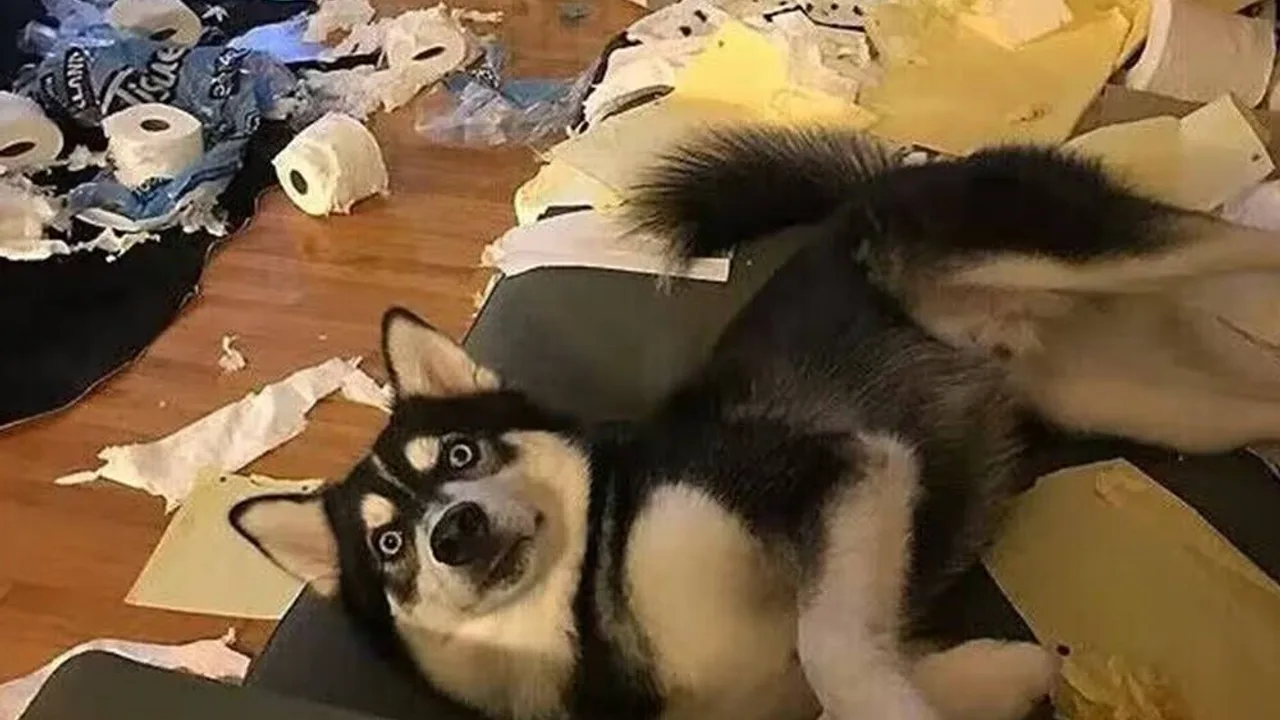
You come home to a chewed cushion, a gnawed door frame or a shoe that used to be a pair. It is tempting to blame a naughty dog. But chewing is normal dog behavior, and when it turns destructive there is almost always a reason.
This guide walks you through a six-step plan for boredom chewing. It follows the advice on destructive chewing from the ASPCA. We are a research site and not veterinarians, so if chewing is sudden, severe or comes with distress, talk to your vet.
Step 1: Work Out Why Your Dog Is Chewing
The ASPCA lists four common causes: separation anxiety, boredom and lack of stimulation, teething and stress or frustration. The pattern tells you which one you are dealing with.
| Pattern | Likely cause |
|---|---|
| Only when you are out | Separation anxiety, according to the ASPCA |
| All day, whenever there is nothing to do | Boredom |
| A young puppy chewing everything | Teething, usually settling by about six months |
| After a change or a missed walk | Stress or frustration |
Keep a note for a week: when, where and what your dog chewed. If the pattern points to anxiety, skip ahead to Step 6.
Step 2: Add Daily Exercise
The ASPCA’s first suggestion is to increase daily walks and playtime. A dog with energy to burn will find somewhere to burn it. Match the activity to your dog’s age and health, and consider training classes or dog sports for energetic breeds.
Do the exercise before you leave the house or start work. A pleasantly tired dog is less likely to go looking for trouble. If your workday makes this hard, our guide on keeping a dog entertained while you work has a full routine.
Step 3: Offer Food Puzzles and Rotated Chews
Give your dog legitimate things to chew and a reason to use its brain. The ASPCA recommends food puzzle toys at meal times and varied, rotated chew toys.
- Stuffed chews. Fill one with part of your dog’s meal and freeze it for a longer challenge.
- Puzzle feeders and lick mats. They turn a bowl of food into a task.
- A rotation of chews. Keep a few out and swap them every few days so they stay interesting.
Choose chews suited to your dog’s size and chewing strength, and supervise new ones.
Step 4: Manage the House
While the habit settles, make it hard to get wrong. The ASPCA suggests removing tempting items from reach and supervising during waking hours until the behavior improves.
- Put shoes, remote controls and laundry away.
- Close doors to rooms you do not want chewed.
- Use taste deterrents on off-limit objects, as the ASPCA suggests.
- Keep your dog near you when you are home so you can redirect.
Step 5: Redirect Calmly, Never Punish Afterwards
When you catch your dog chewing something off limits, interrupt calmly, take the item away and give your dog something it can chew. The ASPCA puts it as inserting something the dog can chew.
Do not punish after the fact. The ASPCA warns that dogs cannot connect a delayed consequence with past behavior, so scolding over a chewed shoe you find later teaches your dog nothing except that you are unpredictable. It also warns against muzzling, extended crating over six hours and taping objects.
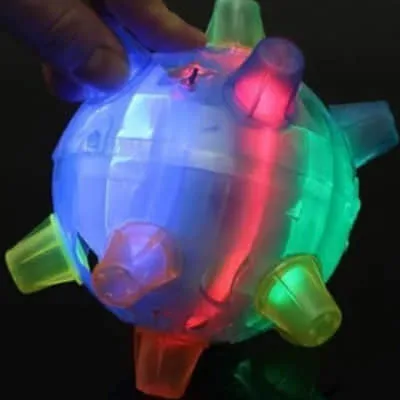
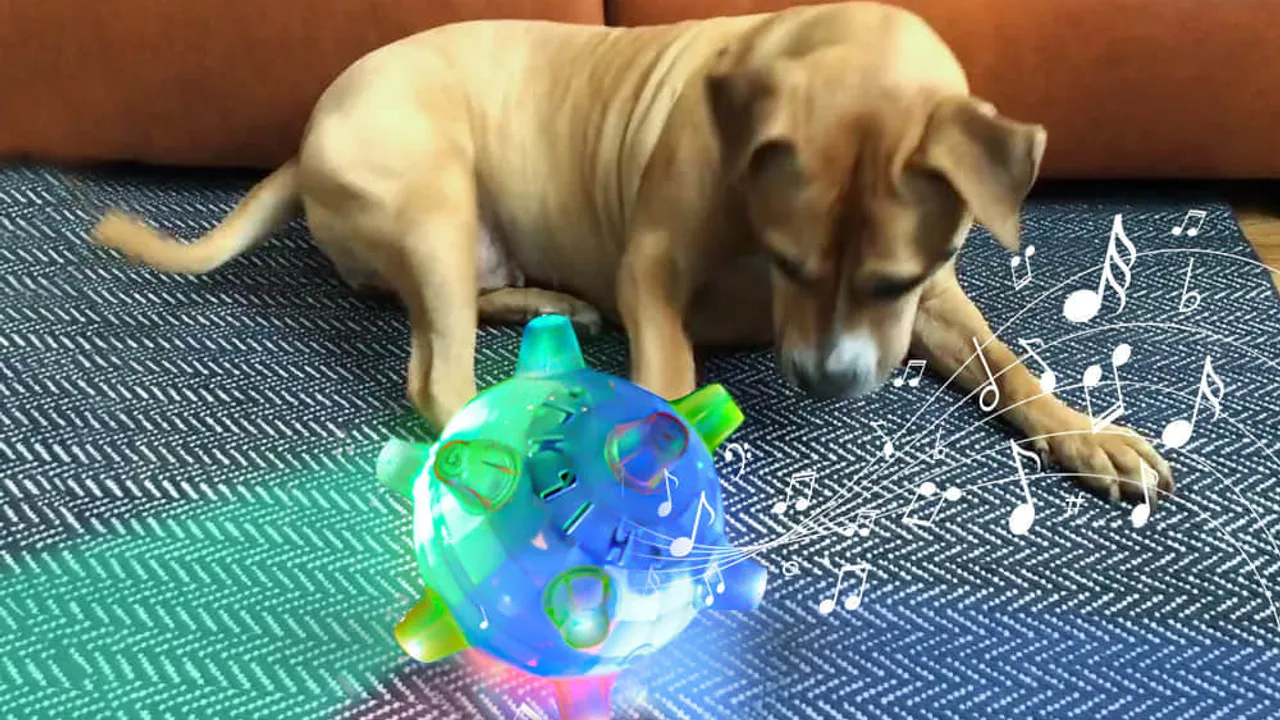
Playing with your dog is part of redirecting. A short game gives chewing energy a better outlet. Self-moving balls can be one option for short supervised play, though they are not chew toys. Our guide on whether self-moving dog balls are safe explains why, and our PetsBoro pet ball review covers one example.
Step 6: Get Help If It Is Anxiety
If the chewing only happens when you are gone, or comes with panic, drooling, pacing or trying to escape, it may be separation anxiety. The ASPCA notes that dogs who chew from separation anxiety usually only chew when left alone. Toys alone will not fix this.
Talk to your vet, who can rule out medical causes and refer you to a qualified behaviorist. Build alone time up gradually and avoid long stretches until you have a plan.
What Not to Do
- Do not scold after the fact.
- Do not leave electronic toys with a chewer. Small parts and batteries are dangerous if swallowed.
- Do not rely on one toy. Exercise, puzzles and rotation work together.
- Do not ignore a pattern that points to anxiety.
When to Consider a Self-Moving Ball
A self-moving ball suits a chase-loving dog that needs an outlet during the day when you are home. It does not suit a dog that shreds toys, and it is not a substitute for chews or exercise. If you want to try one, use short supervised sessions and read the safety checklist first. For an overview of options, see our roundup of the best self-moving dog balls.
Quick Summary
- Note the pattern to find the cause.
- Add daily exercise.
- Offer food puzzles and rotated chews.
- Manage the house while the habit settles.
- Redirect calmly and never punish afterwards.
- Get professional help if it looks like anxiety.
Frequently Asked Questions
Why does my dog chew everything when I am out?
How do I stop my puppy chewing everything?
Should I punish my dog for chewing?
Do interactive toys stop boredom chewing?
Is a self-moving ball a good chew toy?
How much exercise does a chewing dog need?
How long can I leave my dog alone?
When should I see a vet or behaviorist?
More Pet Tech Guides
Related Product Reviews

Riley Morgan
Pet gear researcher and dog-owner advocate. Digs into owner reviews, materials, and battery specs to tell you which interactive toys and pet gadgets are worth buying and which are just packaging.
Affiliate disclosure:This article contains affiliate links. If you buy through them, GearPuff may earn a commission at no extra cost to you. It keeps our testing independent and our reviews free.