
In This Article
- Quick Verdict: the 3 Devices That Matter
- How We Tested These 6 Devices
- What the Field Looks Like in 2026
- 1. Pulsetto FIT: Best Overall
- 2. Nurosym: Best Clinical Credibility
- 3. Apollo Neuro: Best All-Day Wearable
- 4. Sensate: Best Evening Ritual
- 5. Truvaga Plus: Best Technical Pedigree
- 6. gammaCore: Prescription Only, Listed for Context
- Head-to-Head Table
- Value Math Across the Field
- Who Should Buy Which
- Final Verdict
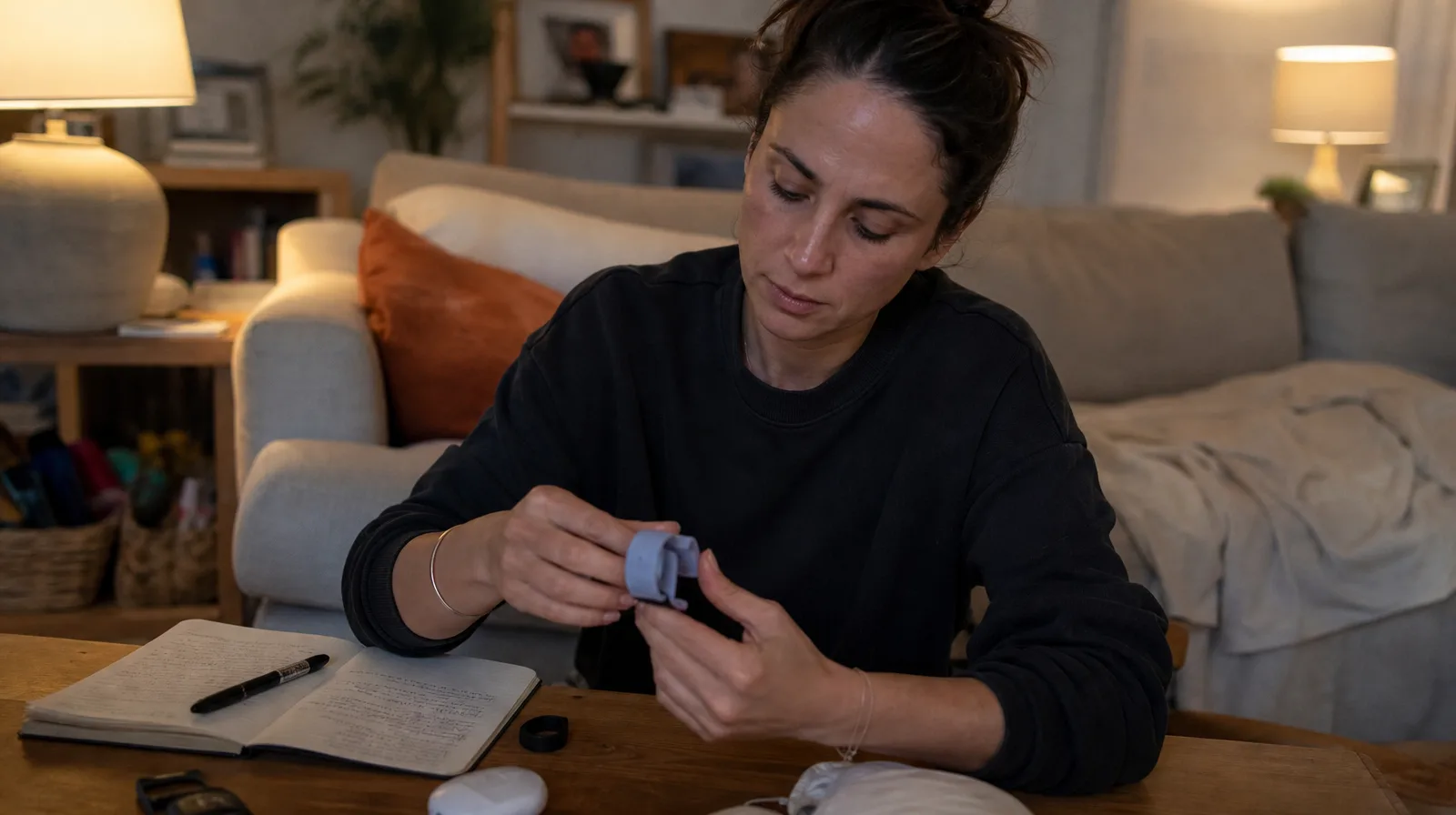
I spent the last 2 months testing the 6 best vagus nerve stimulators you can buy in 2026. Same tester, same stress, same 3.00 AM wakeups. The goal was simple: find which device actually earns a place in a daily routine, and which ones end up in a drawer by February.
Short version: Pulsetto wins for most people. Four-minute hands-free sessions survive real schedules, the free app covers stress through sleep, and sale pricing undercuts every electrical rival. Nurosym takes the clinical-credibility crown. Apollo Neuro takes the all-day wearable crown. Everything else is a specialist pick.
I cover stress and sleep tech at our wellness gadgets hub, and this category splits buyers into two camps that rarely talk to each other. Biohackers want data and mechanisms. Exhausted parents want 4 minutes of quiet. This roundup serves both, with one winner per camp and an honest overall pick.
Quick Verdict: the 3 Devices That Matter
- Best overall: Pulsetto FIT (~$269 on sale). Real bilateral electrical tVNS, 4-minute sessions, 5 free programs, Oura and Apple Watch pairing. My 21-day test cut sleep onset from 35 minutes to under 20.
- Best clinical credibility: Nurosym (~$750). Ear-clip taVNS with CE medical device certification and the strongest research program. Sessions run 30 to 60 minutes, which is the real cost.
- Best all-day wearable: Apollo Neuro (~$349). Wrist or ankle vibration with scheduled modes and HRV trends. Pleasant and flexible, but it never delivers electrical stimulation to any nerve.
Everyone else in the 6-device field (Sensate, Truvaga Plus, gammaCore) earns a niche below. Keep reading for the full breakdown.
How We Tested These 6 Devices
One tester (me), one protocol, no sponsored placements. Each device got at least 2 weeks of daily use except gammaCore, which I evaluated on prescription terms and published evidence rather than personal trial since it requires a doctor.
I scored 5 things: stress interruption (does a bad afternoon actually improve), sleep onset (minutes to fall asleep across 14+ nights), habit friction (will a tired person still do this on day 20), app and tracking quality, and true first-year cost including consumables and subscriptions.
Sleep got tracked nightly. Stress got a 1-to-10 note morning and evening. HRV came from a wearable, and I treated it as a lagging indicator after watching it barely move while sleep clearly improved. That split shows up across every device here, so do not buy any of them for fast HRV gains.
Price note: every brand in this space runs near-permanent sales. I judged deal prices only, never list prices, and I counted mandatory extras like Pulsetto’s $45 gel tubes. Year-one totals appear in each mini-review.
What the Field Looks Like in 2026
Vagus nerve gadgets split into 3 technical families, and knowing the split saves you from comparing apples to vibration motors. Cervical electrical devices (Pulsetto, Truvaga, gammaCore) send current through the neck into the thick vagus trunk. Auricular electrical devices (Nurosym, Nuropod) reach a thin ear branch with a clip. Sensory devices (Apollo Neuro, Sensate) use vibration or infrasound and never pass current into nerve tissue at all.
Media coverage reflects the confusion. WIRED called Pulsetto fizzy and flawed. Wareable praised its ease of use across weeks. The New York Post covered it as a recovery tool. Trustpilot holds 3,447 Pulsetto reviews at 4.2 overall with a genuine complaint tail about billing and support. No single source agrees, which is exactly why one tester running one protocol across all 6 devices beats reading 6 brand pages.
Price spreads wider than marketing suggests. Entry runs ~$224 (Pulsetto Lite on sale) and exits near $750 (Nurosym) before prescriptions. Mid-pack vibration devices cluster around $300 to $350. Year-one math with consumables narrows every gap, so read the totals, not the stickers.
1. Pulsetto FIT: Best Overall
Pulsetto is a horseshoe band around the front of the neck delivering bilateral electrical pulses in 4-minute app-guided sessions. Five free programs cover stress, worry, sleep, burnout and pain. The FIT adds a wave-like mode, 12-day battery and extra neck pads over the Lite’s 10-day battery.
My 21-day diary tells the story. Stress sessions reliably unclenched my afternoons. Sleep onset fell from roughly 35 minutes to under 20 by week 3, and 3.00 AM wakeups dropped from 4 nights a week to 1. HRV moved about 3 percent, inside noise. Skipping a day erased the calm, which makes this a practice, not a pill.
Week detail matters because buyers ask when to judge. Days 1 to 3 felt weak while I botched placement and skimped on gel. Day 4 fixed both and the shoulders dropped unprompted. Day 9 was the turning point: an 8.15 PM session, asleep on the couch by 10.40 PM, no midnight ceiling stare. Weeks 2 and 3 held the gains with one skipped day proving the effect fades fast. Decide by day 25 of the 30-day guarantee or not at all.
The complaint file deserves equal airtime. Trustpilot’s 15 percent 1-star slice centers on surprise Premium charges and slow support, and the BBB page (1.1 across 10 reviews) reads like a shipping log of despair. My unit arrived fine and I never got billed unexpectedly, but I checked my account page twice and screenshotted every checkout step. Do the same and the risk stays capped.
Proof is the weak spot. One 40-person company study plus surveys, no FDA clearance, FCC and CE electronics marks only. Trustpilot shows 3,447 reviews at 4.2 overall with a real complaint tail about shipping and surprise Premium charges. The BBB page is harsher. Buy from the official site, screenshot the guarantee terms, decide by day 25.
Year one runs about $809 for the FIT with daily gel use, $764 for the Lite. Cost per session lands near $2.20 daily, $1.20 twice daily. Fair for a stress interrupter plus sleep ritual, brutal for drawer owners.
Best for: stressed professionals, wired-at-bedtime sleepers, biohackers wanting the cheapest credible tVNS entry. Skip if: you need medical-grade proof, hate apps and gel, or want an all-day wearable.
2. Nurosym: Best Clinical Credibility
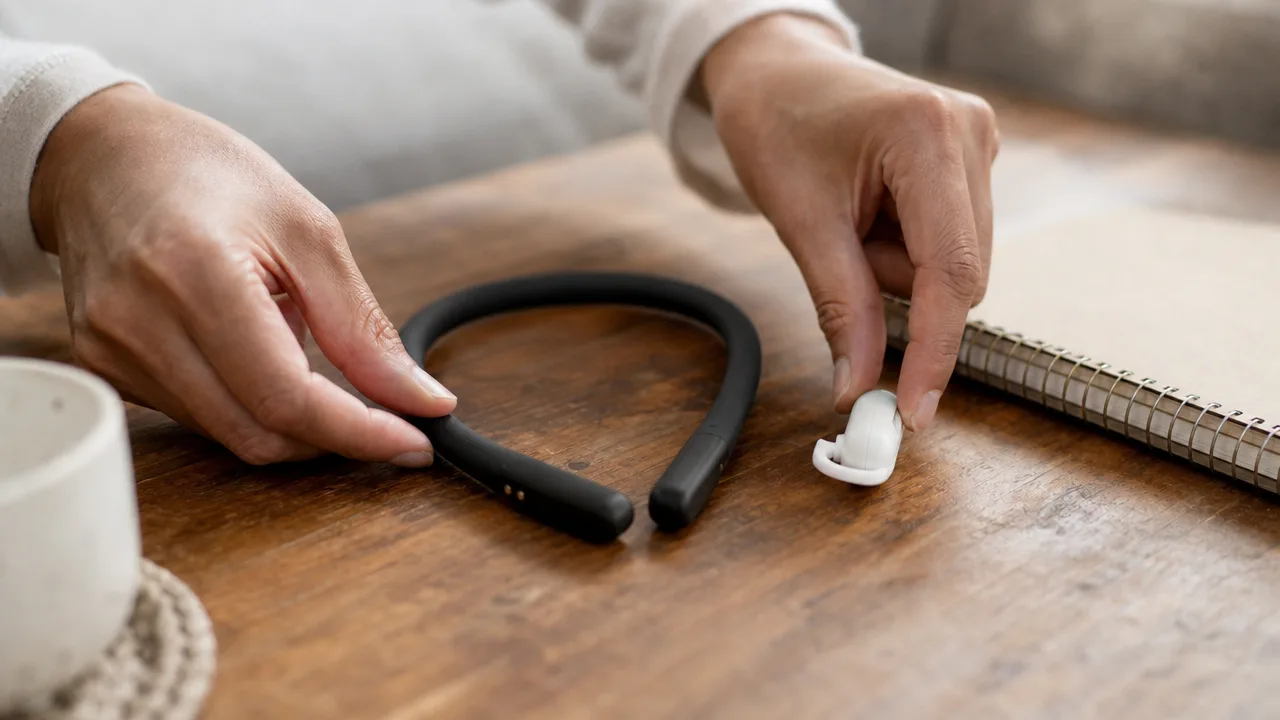
Nurosym clips to the ear and stimulates the auricular branch with mild electrical pulses. It holds CE medical device certification, publishes a real research program including randomized placebo-controlled work, and backs Long COVID, mood and inflammation claims with manufacturer-cited studies.
The tradeoff is time and money. Sessions run 30 to 60 minutes at around $750. That is a serious daily commitment next to Pulsetto’s 4 minutes, and the price triples the field. For buyers who view certification as non-negotiable, the premium is justifiable. For everyone else, it is the reason Nurosym stays a specialist pick.
Owner reports skew dedicated. Users describe morning protocols before deep work, evening hour-long wind-downs, and patience across 6 to 8 weeks before judging. Nobody buys Nurosym casually, which cuts both ways: the user base is committed enough to generate meaningful feedback, and casual buyers bounce off the time demand within days. Treat the session length as the price and the $750 as the deposit.
If you are torn between the top two, my Pulsetto vs Nurosym head-to-head expands the neck-versus-ear evidence, session economics and proof gap into a full breakdown.
Best for: research-first buyers, people who want a certified device, anyone skeptical of wellness marketing. Skip if: you will not sustain hour-long sessions or the price stings.
3. Apollo Neuro: Best All-Day Wearable
Apollo straps to wrist or ankle and sends gentle vibration patterns through the skin, scheduled across energy, focus, calm and sleep modes. The app is the most polished here, with HRV trend tracking and routine building that Pulsetto’s app cannot match.
Be clear on one thing: Apollo delivers vibration, not electrical nerve stimulation. Its own marketing says so. The calm is real for many users, especially as daytime nudges and bedtime wind-downs, but the mechanism differs from everything above it on this list. Wrist vibration can irritate at night; ankle placement works better for sleep.
At around $349 with an optional subscription tier, it costs more than Pulsetto while doing a different job. My Pulsetto vs Apollo Neuro comparison settles which job matches your day.
Apollo’s owner base splits into two visible groups. Desk workers run focus and calm modes between meetings and describe steadier afternoons without changing anything else. Poor sleepers run sleep modes overnight, with wrist irritation as the top complaint and ankle placement as the standard fix. The app’s scheduling carries the experience: users who program a week of modes in advance report far better adherence than on-demand tappers.
Best for: people wanting daytime calm nudges, data lovers, anyone who hates neck devices and gel. Skip if: you specifically want electrical tVNS with a defined protocol.
4. Sensate: Best Evening Ritual
Sensate is a chest-worn pebble using infrasound vibration synced to soundscapes for 10 to 30 minute lie-down sessions around $299. Testers consistently call it the most pleasant sensation in the category. Within minutes you feel noticeably softer around the edges.
Limits are structural. You must lie still, there is no data tracking to speak of, and whether it stimulates the vagus nerve directly or calms through sensory pleasure is openly debated. As a fixed evening ceremony it shines. As a portable habit it cannot compete with a 4-minute neckband.
Best for: ritual lovers, meditation-adjacent wind-downs, vibration-only comfort seekers. Skip if: you want portability, short sessions or progress data.
5. Truvaga Plus: Best Technical Pedigree
Truvaga Plus is a handheld 2-minute cervical stimulator around $499 from electroCore, the company behind prescription gammaCore. It shares gammaCore’s signal parameters, giving it the strongest technical lineage of any consumer device here.
Why fifth, then? Handheld means holding it to your neck for every session, the price nears $500, and the stress and sleep positioning is thinner than Pulsetto’s program library. Superb engineering, narrower wellness case. Watch this brand; the pedigree is real.
Best for: engineering-first buyers, gammaCore-curious users avoiding prescriptions, 2-minute session fans. Skip if: you want hands-free sessions or guided programs.
6. gammaCore: Prescription Only, Listed for Context
gammaCore Sapphire is FDA-cleared for migraine and cluster headache, handheld, prescription-only, and priced like medical equipment. It belongs on this list so you understand the ceiling: real clearance exists, and none of the wellness devices above hold it. If headaches are your problem, see a neurologist about this one instead of shopping wearables.
Head-to-Head Table
| Device | Type | Session | Sale price | Certification | Best for |
|---|---|---|---|---|---|
| Pulsetto FIT | Electrical, neck bilateral | 4 min, hands-free | ~$269 | FCC + CE electronics | Daily habit, sleep, value |
| Nurosym | Electrical, ear | 30-60 min | ~$750 | CE medical device | Clinical credibility |
| Apollo Neuro | Vibration, wrist/ankle | Flexible all-day | ~$349 | Wellness device | All-day wearable calm |
| Sensate | Infrasound, chest | 10-30 min lying down | ~$299 | Wellness device | Evening ritual |
| Truvaga Plus | Electrical, neck handheld | 2 min held | ~$499 | Consumer (gammaCore pedigree) | Technical pedigree |
| gammaCore | Electrical, neck handheld | Prescription protocol | Medical pricing | FDA-cleared (headache) | Diagnosed headache |
Value Math Across the Field
Sticker prices lie by omission, so here are honest year-one totals for daily use. Pulsetto FIT: ~$269 plus 12 gel tubes at $45 equals ~$809. Pulsetto Lite: ~$224 plus gel equals ~$764. Nurosym: ~$750 with minimal consumables. Apollo Neuro: ~$349 plus optional subscription, roughly $350 to $450. Sensate: ~$299 flat. Truvaga Plus: ~$499 flat.
Per-session costs reframe everything. Daily Pulsetto FIT use costs about $2.20 per session including gel, dropping near $1.20 at twice daily. A 60-minute Nurosym habit costs under $2 per session across a year but demands 30-plus hours a month of your time. Apollo’s passive wear defies per-session math entirely, which is part of its appeal and part of its measurement problem.
Compare against the outside options. A single therapy session for stress runs $150-plus in the US, so 5 sessions exceed Pulsetto’s entire year-one cost. Meditation apps run $70 to $100 yearly with zero hardware. The device math only works at 200-plus days of actual use, which returns us to friction: 4-minute rituals survive, hour-long protocols need devotion, passive wearables need only a charged battery.
Who Should Buy Which
Buy Pulsetto if afternoons run hot and nights run wired, and you will trade 4 minutes daily for calmer evenings. This is the largest group and the overall pick.
Buy Nurosym if certification matters more than convenience and you can protect an hour a day. Fewer buyers, stronger paperwork.
Buy Apollo Neuro if you want calm woven through the whole day rather than one defined session, and you like tracking trends.
Buy Sensate if evenings are sacred ceremony time and lying still for 20 minutes sounds like a feature.
Buy Truvaga Plus if signal pedigree tops your list and handheld sessions do not bother you.
Buy on proof alone if nothing here convinces you. Free slow-breathing protocols and cold exposure cost zero and carry real evidence for acute calm. Devices accelerate and structure the habit; they do not replace the physiology.
See a doctor about gammaCore if headaches drive the purchase, not general stress.

Final Verdict
Six devices, one pattern: the best vagus nerve stimulator is the one you will still use in March. Pulsetto wins overall because 4-minute sessions, honest pricing and a real (if thin) evidence base beat credentials you will not sustain and wearables that stimulate nothing directly. Nurosym wins on paper. Apollo wins on lifestyle. Pulsetto wins on bathroom-shelf survival, which is the only contest that pays.
Two final cautions before money moves. First, none of these treat diagnosed conditions, and vagus talk attracts miracle marketing the way kitchens attract crumbs. Keep clinicians in the loop for anything diagnosed. Second, buy only from official stores, screenshot guarantee terms at checkout, and log 3 weeks of sleep onset before judging. The 30-day windows across this category reward decisive testers and punish drifters equally.
Start with the top pick during a sale, run the 30-day experiment with a sleep log, and keep it only if your own numbers move. That discipline beats every ranking, including this one.
Common Questions & Answers
Q: Which vagus nerve stimulator is best in 2026?
Pulsetto is the best pick for most people because 4-minute hands-free sessions survive real schedules, and sale pricing around $224 to $269 undercuts every electrical rival. Nurosym suits buyers who want CE medical certification, and Apollo Neuro suits all-day wearable fans.
Q: What is the best vagus nerve stimulation device for sleep?
Pulsetto's Fall Asleep program plus a 4-minute wind-down ritual performed best in my testing, cutting sleep onset from 35 minutes to under 20 across 3 weeks. Sensate also works well as a lie-down evening ritual if you prefer vibration over electrical stimulation.
Q: What is the best vagus nerve device for anxiety?
For acute stress moments, Pulsetto's Stress program delivered the fastest repeatable calm in my testing. Sensate gives strong in-the-moment relief through infrasound vibration. Neither replaces professional care for diagnosed anxiety disorders.
Q: What is the cheapest vagus nerve stimulator that actually works?
Pulsetto Lite at around $224 on sale is the cheapest device delivering real electrical tVNS with a usable app. TENS-style ear clips on Amazon cost less but lack programs, tracking and any published protocol. Budget $45 a month extra for Pulsetto's mandatory gel.
Q: Is electrical or vibration vagus nerve stimulation better?
Electrical stimulation (Pulsetto, Nurosym, Truvaga) acts directly on nerve tissue and has the deeper research base. Vibration devices (Apollo Neuro, Sensate) work through sensory calming and are more pleasant but less targeted. For a defined daily habit, electrical wins. For passive comfort, vibration wins.
Q: Are home vagus nerve stimulators FDA approved?
Most are not. Pulsetto, Apollo Neuro and Sensate sell as general wellness products with FCC and CE electronics certification. gammaCore is FDA-cleared for headache disorders but requires a prescription. Truvaga shares gammaCore's signal pedigree without the clearance for stress or sleep.
Q: Do you need a prescription for a VNS device?
No prescription is needed for Pulsetto, Nurosym, Apollo Neuro, Sensate or Truvaga. Only gammaCore, the prescription headache device from electroCore, requires one.
Q: How long should you use a vagus nerve stimulator per day?
Pulsetto suggests 2 to 3 four-minute sessions daily. Nurosym runs 30 to 60 minutes. Apollo is designed for flexible all-day wear. Consistency across weeks matters more than minutes per session.
Q: Are there side effects from vagus nerve stimulators?
Home devices typically cause only mild tingling, minor skin redness or brief lightheadedness. Avoid all of them with a pacemaker or implanted electronics, during pregnancy, or with epilepsy or heart rhythm conditions unless a doctor approves.
More Wellness Gadgets Articles
Related Product Reviews

Health tech researcher and wellness gadget reviewer. PhD in Biomedical Engineering. Tests sleep trackers, massage devices, and health monitors with clinical precision. Believes in data-driven wellness.