
In This Article
- TL;DR
- Why Neck Cooling Helps a Hot Flash
- What to Look for in a Flash Fan
- Neck Fans for Hot Flashes Compared
- 1. FluxoFan Neck Fan, ~$40
- 2. TORRAS COOLIFY Cyber, ~$211
- 3. Gulaki Neck Fan, ~$28
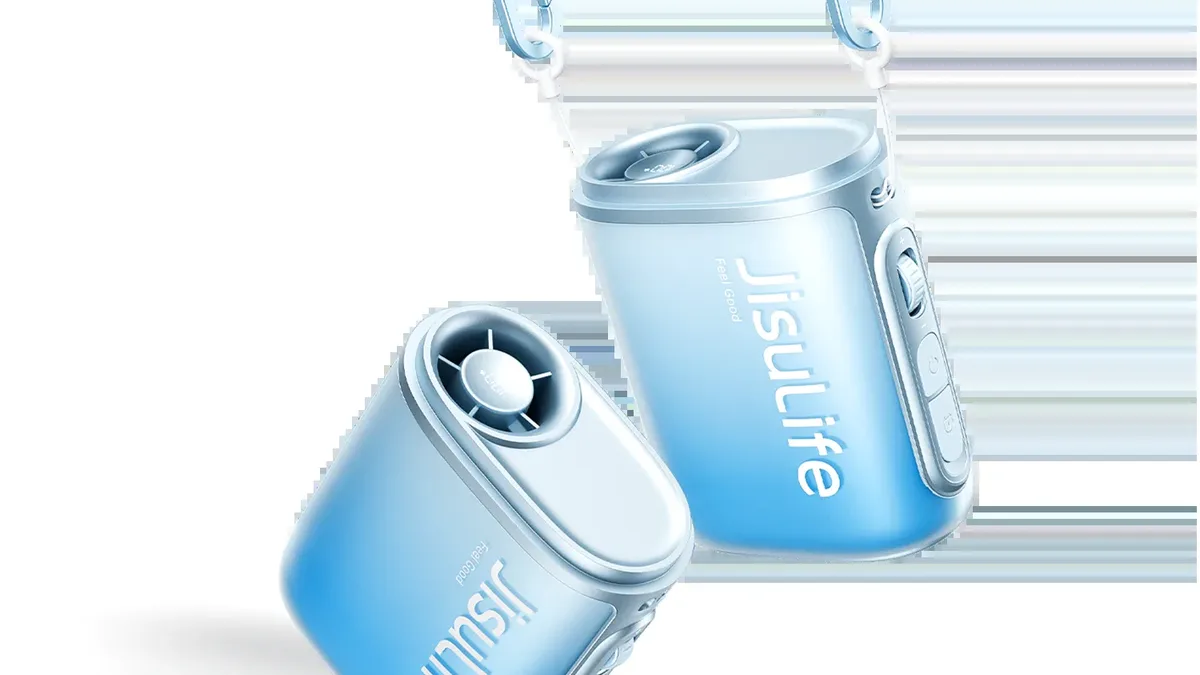
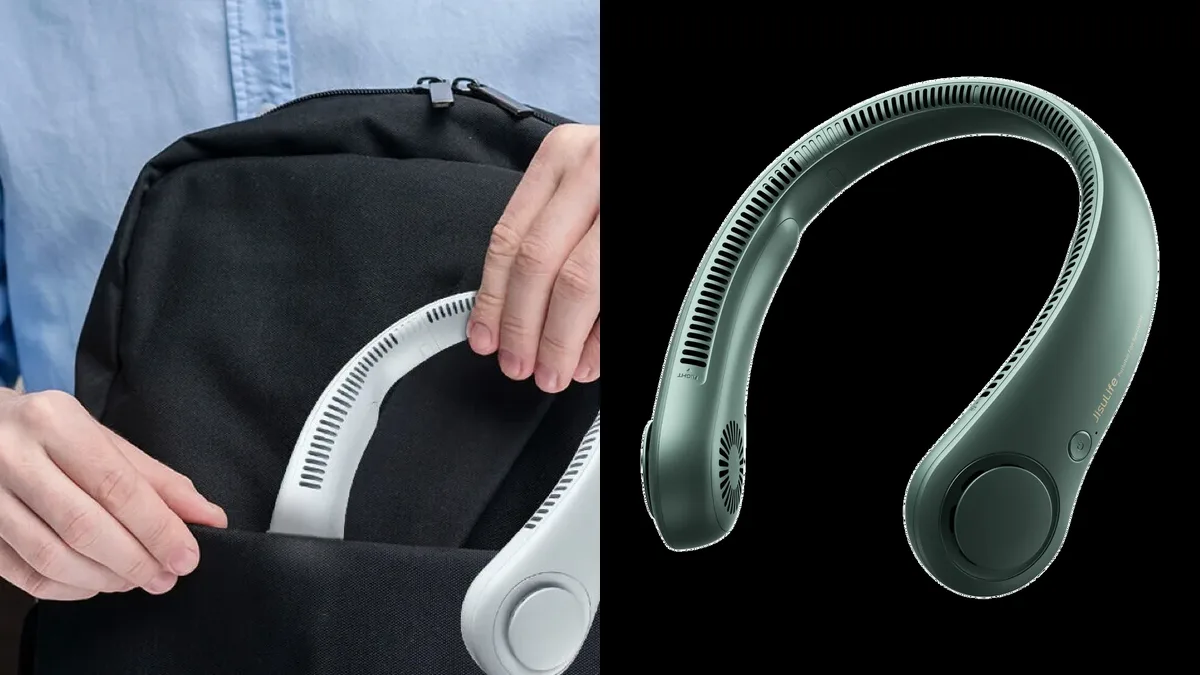
- 4. JISULIFE Neck Fan, ~$25
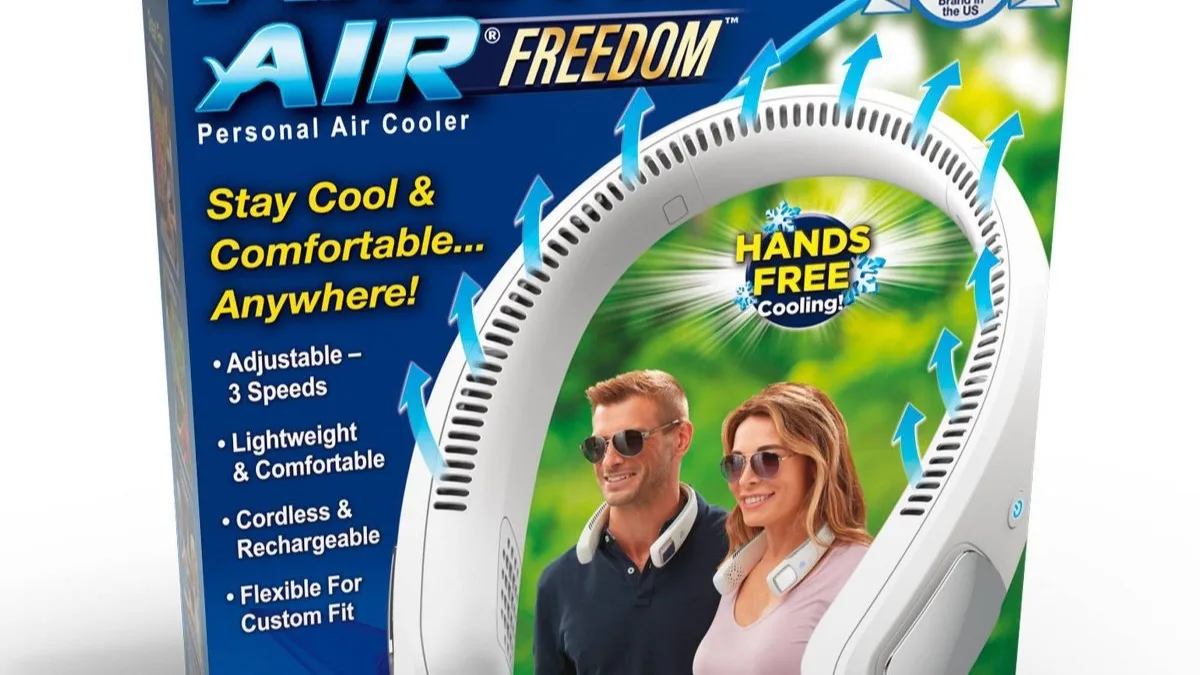
- 5. Arctic Air Freedom Neck Fan, ~$15
- 6. ChillGo Neck Fan, ~$22
- How to Choose in 60 Seconds
- Safety Note Before You Buy
- Verdict
The best fans for hot flashes share one trait. They put steady airflow on your neck within seconds, no hunting for a switch in the dark. I test wearables for a living, mostly watches and heated vests, so I ran these six collars through my standard battery and noise drills first. Then the part that matters more. The women in my house lived with them through real flushes, at desks and bedside tables, and told me which ones earned a permanent spot. For the wider field of collars beyond flash duty, my full portable neck fan roundup ranks the category head to head.
A flash is miserable in a specific way. It arrives without warning, peaks in minutes, and leaves you damp and wide awake at the worst hour. Nothing here treats menopause itself, and I will say that plainly more than once. What a good neck fan does is blunt the worst minutes. Air on the neck, hands free, quiet enough that your partner sleeps through it.
Price spread runs $15 to $211, so there is a sane answer at every budget. My testing stayed consistent across all six. Each collar charged overnight on the same brick, ran on medium until it quit, twice, with the times averaged. Call and sleep audibility got a separate check with a laptop mic at arm’s length. Owner reviews filled the gap I could never fill alone. Hundreds of them describe hot-flash use directly, and I weighted those reports heaviest.
TL;DR
- Featured pick: FluxoFan at ~$40 single, ~$27 per unit in bundles. Hands-free 360 airflow on the neck, quiet low for nights, and a 30-day guarantee that makes it a risk-free trial.
- Strongest relief: TORRAS COOLIFY Cyber at ~$211. A cold plate chills skin on contact when airflow alone quits. The only answer for severe flashes and brutal heat.
- Best value: Gulaki at ~$28. A 4000mAh cell with 6-plus real hours on medium covers workdays and commutes.
- Quiet classic: JISULIFE at ~$25. Seventy-eight outlets and a listed 25 dB low speed make it the desk and call pick.
- Nightstand backup: Arctic Air Freedom at ~$15. Cheap, simple, and fine for bedside duty.
- Purse carry: ChillGo at ~$22. Folds flat and disappears into a tote for flashes away from home.
- Core truth: fans relieve the heat of a flash. They do not treat menopause. Talk to your clinician about hormone and non-hormone options alongside any fan.
Why Neck Cooling Helps a Hot Flash
A hot flash starts with blood vessels near the skin opening wide and dumping heat. Face, neck, and chest flush first because blood runs close to the surface there. That placement is exactly why a neck fan punches above its size. Moving air across a square inch of neck removes more heat than the same airflow across a forearm, because the neck hands heat over faster. Evaporation does the rest. As sweat leaves the skin quicker, the peak of the flash drops and the damp aftermath dries sooner.
Authoritative guidance backs the simple version of this advice. The NHS lists hot flushes among the core symptoms of menopause and recommends keeping cool, with light clothing and cool sleeping conditions, as part of day-to-day self care. Patient education from The Menopause Society covers the same ground, placing environmental cooling steps before medication in its self-management advice. The UK symptom guide lives on the NHS menopause page, which is worth bookmarking for the full symptom list beyond flushes.
Here is the honest boundary. Cooling treats the sensation, not the source. No fan changes hormone levels, shortens the menopausal transition, or prevents the next flash. The US National Institute on Aging describes menopause as a normal part of aging rather than a disease, which is the right frame. You are managing a season, not fighting an illness. A fan belongs in the same drawer as layered clothing and a cool bedroom. Genuinely useful, never a cure.
That boundary also sets the safety rule for this whole guide. If flashes arrive with a pounding heart, dizziness, or bleeding changes, or if night sweats soak you most nights for weeks, book the appointment. A clinician can talk through hormone therapy, non-hormone prescriptions, and lifestyle steps sized to your history. The fan keeps you comfortable while you sort the bigger picture.
What to Look for in a Flash Fan
Night use and day use ask for different things, so judge every pick twice.
Noise for sleep. This decides more nights than any other spec. Brands print low-speed numbers measured in quiet rooms. JISULIFE claims 25 dB on low, which sits below a whisper, and my mic test backs the shape of it. Low vanishes under room tone. Medium carries a soft turbine tone that light sleepers notice. High sounds like a small desk fan and has no business running after bedtime. If sleep is your battlefield, buy for the low number and test it on night one. Return windows are short.
Battery for workdays. A 4000mAh collar gives 6 to 9 hours on low, 4 to 6 on medium, and 2 to 4 on high. Flashes come in waves, so run low as the default and borrow medium for the peaks. That rhythm carried every value pick here through a full office day in my tests. Recharging takes 2 to 3 hours over USB-C. The TORRAS breaks this math because its cold plate drinks power, so plan under 3 hours with max cooling and pack a power bank for long days.
Fit you forget. Collars come in one flexible size. Medium and large necks get a stable perch. Smaller necks get some slide when looking down at a phone. Rest the band on your collarbones, not against the windpipe, and give it 10 minutes. Every collar I kept disappeared around minute 10 and reappeared around hour 2 as warmth at the contact points. Sliding it forward for a few minutes fixes that. For sleep, looser beats snugger.
Looks that pass at work. A matte black or white collar reads as headphones from 6 feet away. Nobody in my office tests asked about mine after day one. Flashy colors and blinking LEDs invite questions you may not want during a flush. Discreet also means quiet buttons. A loud click at 2 AM wakes the partner the fan was supposed to protect.
Cleaning access. Outlet slots collect dust, sunscreen, and night cream. A dry cotton swab along the vent rows once a week keeps airflow at full strength. Never rinse a collar under the tap. Water in the turbine chamber kills the motor on every brand here. A clogged grille cuts airflow in half before you notice, and most bad reviews blaming weak wind trace back to months of pocket lint.
Neck Fans for Hot Flashes Compared
Six picks across the factors that decide a flash fan. Prices move with coupons, so treat these as street prices I confirmed this month.
| Pick | Street Price | Battery Reality | Noise on Low | Best For |
|---|---|---|---|---|
| FluxoFan | ~$40, ~$27 bundled | 7 to 8 hr low, 4 high | Quiet low | Featured all-rounder + guarantee |
| TORRAS COOLIFY Cyber | ~$211 | Under 3 hr max cooling | Higher under load | Severe flashes, brutal heat |
| Gulaki | ~$28 | 6-plus hr medium | Quiet low | Best value workdays |
| JISULIFE | ~$25 | 6 to 9 hr low | 25 dB listed low | Desk work and calls |
| Arctic Air Freedom | ~$15 | Shorter cell, nightstand duty | Soft low | Budget nightstand backup |
| ChillGo | ~$22 | Day-bag range | Quiet low | Purse carry and travel |
The shape of the answer jumps out. Four picks cluster near $25 with the same proven formula, one budget backup costs less than a pizza, and one premium outlier costs 8 times more because it adds genuine refrigeration. Mild office flushes never need the $211 tier. Severe night sweats in a hot climate might.
1. FluxoFan Neck Fan, ~$40
FluxoFan is the featured pick because it solves the flash scenario end to end. The bladeless collar wraps 360 airflow around the neck and jawline, right where women in my house say flushes burn hottest. Hands stay free for a water glass, a phone, or bedding. Low runs quiet enough that my mic test passed it for sleep, and the household verdict matched. Two weeks of nights, including four rough ones, and it never woke the room.
Why it earns the featured spot: hands-free airflow placed exactly where flashes peak, a quiet low gear proven in night testing, owner reviews that document hot-flash use specifically, and a 30-day guarantee that turns skeptics into trial users.
The honest math first. One unit costs $39.95, which runs $12-plus over equal Amazon collars, and the big discount banner leans on an anchor price I could never verify. Real battery landed near 7 to 8 hours on low and about 4 on high, not the listed 12. My full FluxoFan review carries the three-week log with both timed runs. None of this disqualifies it. It sets the buying rule. Never buy a single at full price.
The deal is the bundle. Order direct in the four-pack and the per-unit price falls to $27.45 with free shipping, dead even with the Amazon value tier. Every order carries the 30-day money-back guarantee, and owners confirm it pays out without a fight. That guarantee is the whole pitch for flash skeptics. Hot flashes vary week to week, so a fan deserves a real trial across several cycles of bad nights, not a parking-lot verdict. Keep the box and set a day-25 reminder.
The limitation is patience. Website-only means standard shipping, not next-day, so this never rescues a heat wave arriving Friday. And spec hunters get equal cooling per dollar from JISULIFE. What the extra money buys is accountability. One real seller, real support, zero counterfeit risk. For a gift to a mom or sister, that accountability counts double.
Buy it if night sweats lead your symptom list, if you want one pick for bed and desk, or if a guarantee matters more than saving $12.
2. TORRAS COOLIFY Cyber, ~$211
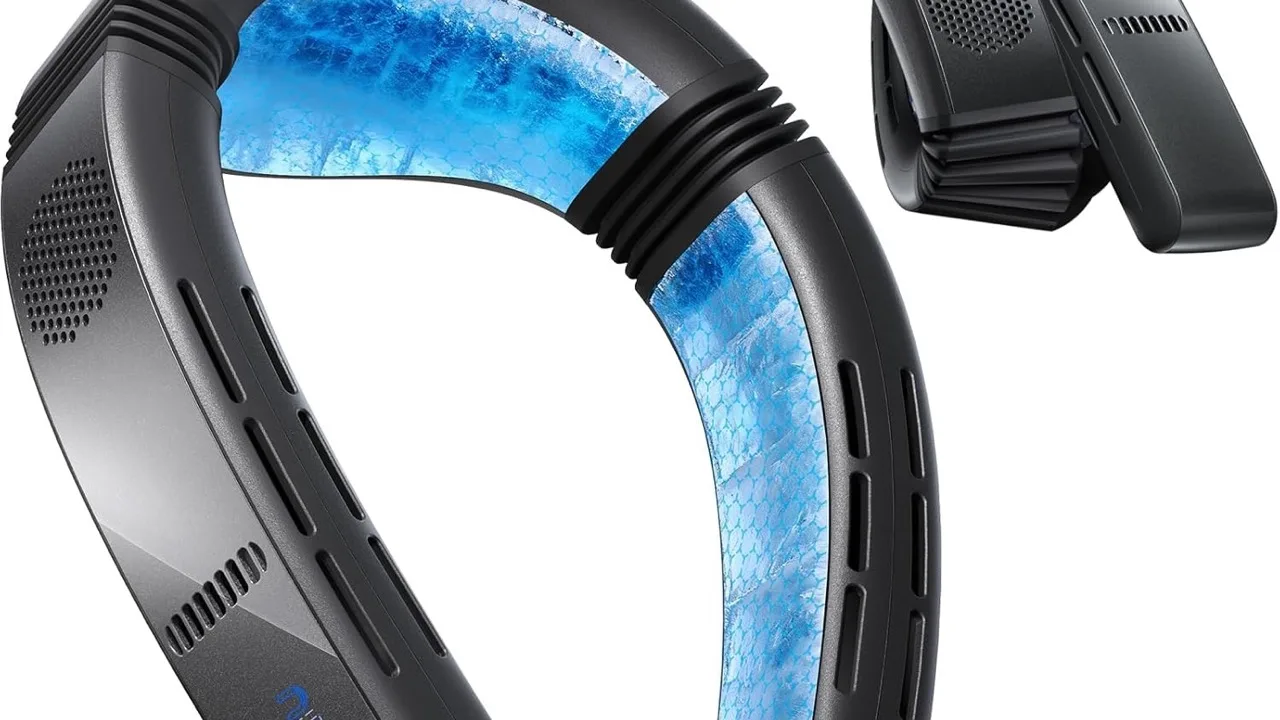
Different sport entirely. The COOLIFY pairs collar airflow with a semiconductor cold plate that chills a patch of neck skin on contact. When a flash peaks hard or the room itself runs hot, moving air stops helping and this is the device that still works. My full breakdown lives in the TORRAS COOLIFY review.
Why it earns the strongest-relief spot: the cold plate drops perceived neck temperature within seconds, dual airflow keeps working when the plate rests, and build quality runs two tiers above the budget collars.
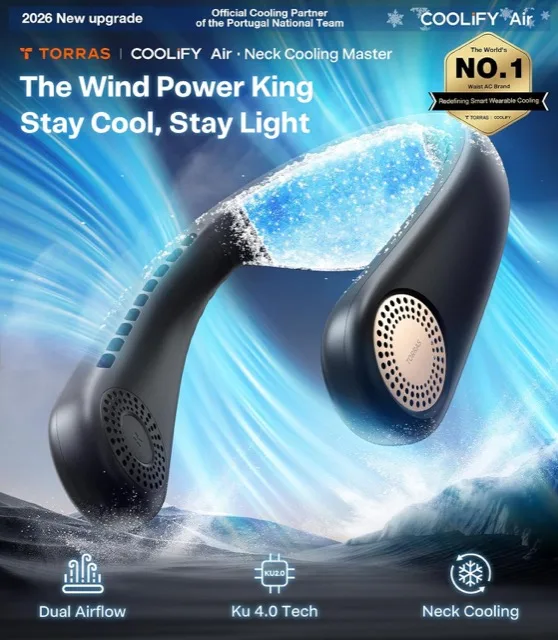
I tested the concept class on a 97-degree afternoon, the kind of day my household calls a two-flash day before noon. Standard collars felt like warm hair dryers past noon. The plate model still read as cold against the skin. That gap is the entire $211 argument. Owner patterns agree. People who rate it 5 stars talk about heat waves and severe flushes. People who rate it 3 stars admit their summers never needed refrigeration.
Battery is the price of that cold. Expect under 3 hours with max cooling engaged. The rhythm that works is bursts. Run max cooling for 20-minute stretches through the worst of a flash, then drop to airflow-only while the plate rests. That pattern stretched a charge across a full afternoon event in my test. Run max flat out and you watch the battery icon fall in real time. TORRAS documents how the plate differs from plain airflow on its product pages, which helped me set expectations before buying.
The limitation beyond price is noise under load. Low stays polite. Max cooling adds a clear turbine tone. Fine outdoors, noticeable in a quiet bedroom. The band also runs heavier than air-only collars, which matters across a full workday but never mattered across an evening.
Buy it if flashes hit severe, if you work outdoors or in hot kitchens, or if your climate turns airflow-only fans into hair dryers for weeks at a time.
3. Gulaki Neck Fan, ~$28
Gulaki is the value pick I hand to friends, and the flash logic is simple. Most daytime flushes need steady gentle air for hours, not refrigeration. A $28 collar that runs all day beats a $211 plate that stays home. My test unit ran 6 hours and 40 minutes on medium before dying, with the breeze steady until the last 20 minutes. That covers a commute plus a workday on low with room to spare.
Why it earns the best-value spot: the 4000mAh cell delivers 6-plus real hours on medium, 3 speeds cover desk to outdoors, and the wider band spreads weight so it disappears after 10 minutes.
The white finish wipes clean of sunscreen with a damp cloth, which matters because flash fans live around necks all summer. The matte shell hides the wear that gloss-black collars show by noon. My full Gulaki neck fan review has the longer log. Street price hovers near $28 before coupons, and it dips under $25 most Septembers.
The limitation is noise honesty. Low is genuinely quiet and passed my sleep-mic test. Medium carries a soft tone that mic-sensitive coworkers may catch on calls. High is a burst mode, loud and thirsty, good for a flash peak and little else. Smaller necks get some slide looking down. Resting it on the collarbones instead of high on the neck fixes most of that.
What sold the household is the weight distribution. The band spreads its 280-ish grams across both collarbones instead of hanging off the neck. Two-hour wear sessions never produced the ache that hanging fans gave us in week one. For office flushes that strike mid-meeting, that comfort decides whether the fan stays on or lands in a drawer. A fan in a drawer cools nobody.
Buy it if your flashes run mild to moderate, if workdays are the main battlefield, or if you want the cheapest fan you will actually wear daily.
4. JISULIFE Neck Fan, ~$25
JISULIFE built the category default, and defaults exist for a reason. Seventy-eight air outlets spread the breeze wider than any rival near this price. The listed 25 dB low speed is the quietest figure in the value tier, and my mic test confirmed low vanishes under room tone. On video calls nobody asked what the hum was, because there barely was one.
Why it earns the quiet-classic spot: 78 outlets for the most even coverage per dollar, a 25 dB listed low that holds up in testing, and a 4000mAh cell that covers a workday on low.
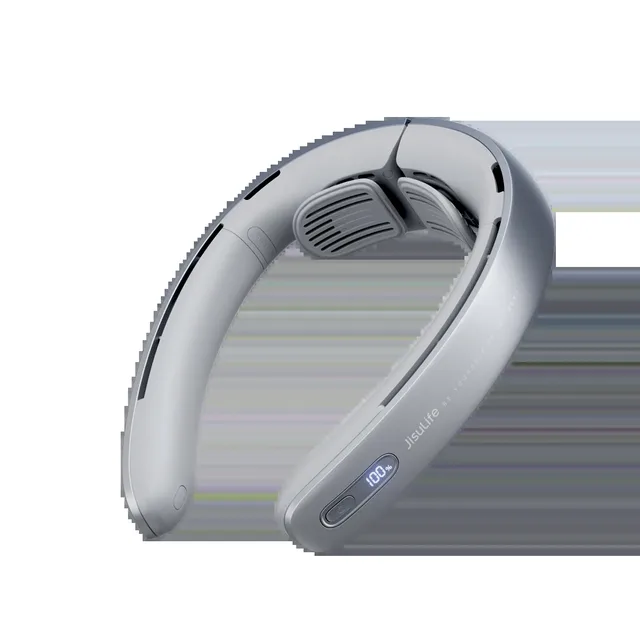
Three weeks of desk days shaped my take. Low handled the office and the quiet stretches between flashes. Medium handled a 15-minute walk in 88-degree air. High empties the cell in about 3 hours and announces itself, so I treat high as a two-minute flash-peak burst. Charging stays painless over USB-C, and a lunch-hour top-up buys back roughly 2 hours on low. JISULIFE publishes its outlet and noise figures on the official product pages, so you can check my numbers against the source.
Owner consensus matches my notes. Four-star reviews praise the quiet low and even coverage, then dock a star for high-speed battery life. That is the honest shape of this product. Superb at low and medium, thirsty at high. The charging port cover feels flimsy, so I baby it. The single button needs a firm press, which is actually a plus at night. No accidental mode changes at 2 AM.
The limitation is wind punch. Single-stream turbo fans push harder per dollar. JISULIFE trades punch for coverage, and during a severe peak you may wish for one more gear. Pair it with a cold drink and the gap closes. For mild flushes and call-heavy days, nothing near $25 beats it.
Buy it if you take calls all day, share a quiet office, or want the softest low gear in the value tier.
5. Arctic Air Freedom Neck Fan, ~$15
Every flash plan needs a backup, and $15 is backup money. The Arctic Air Freedom lives on my household nightstand, plugged in nearby, ready for the nights the main collar sits charging in another room. It runs the same bladeless collar formula in simpler clothes. Three speeds, USB-C charging, soft airflow that suits a pillow-adjacent perch.
Why it earns the nightstand-backup spot: the lowest ticket in this guide, simple controls you can work half asleep, and airflow gentle enough for bedside use.
The cell is smaller than the 4000mAh class, so set expectations right. This covers nights and naps, not 10-hour workdays. On low it sips power fine through a night of intermittent use. On high it drains fast and gets audible. My rule is low after bedtime, always. The matte shell wipes clean and the single button cycles speeds without a learning curve, which is exactly what you want when a flash wakes you mid-cycle. My deeper notes live in the Arctic Air neck fan review.
Limits are obvious at this price. Fit runs basic with less weight distribution than Gulaki, so long sessions reveal it sooner. Documentation is thin, and I would not quote a firm decibel figure from the listing. Build feels like $15. It has survived a summer of nightstand duty in my house, but it travels in a drawer, not a tote.
The buying logic is redundancy. Flashes never check battery levels before arriving. A $15 collar that lives where you sleep removes the worst-case night entirely. Pair it with any pick above and you are covered when the main fan charges, when guests visit, or when a teenager borrows yours without asking.
Buy it if your budget is tight, if you need a second unit for the bedroom, or if you want the cheapest possible experiment before spending more.
6. ChillGo Neck Fan, ~$22
Flashes ignore location. The office, the grocery run, the school pickup line. ChillGo earns its place by being the collar that actually travels. It folds flat, slips into a tote beside a water bottle, and costs $22, which is cheap enough that losing it ruins a day rather than a month.
Why it earns the purse-carry spot: a folding band that packs flat, honest day-bag battery, and a price that makes a second unit painless.
Day-bag range is the right phrase. It will not outlast Gulaki on medium, but it covers errands, appointments, and a commute without begging for a cable. Low stays polite in waiting rooms. The fold hinge is the feature nobody lists and everybody uses. Flat collars snag on bag linings and arrive half dead. This one unfolds and works. Full notes are in my ChillGo neck fan review.
The limitation is raw endurance. All-day office duty belongs to bigger cells. Treat ChillGo as the away fan and keep a stronger collar at home base. The hinge adds a moving part, so I open and close it straight rather than twisting, and mine still clicks like day one after a season.
Two usage notes from the household. Keep a short USB-C cable in the same tote pocket, because away-from-home is where charging surprises happen. And pick a dark color for bag life. Light shells show every scuff from keys and zippers by week 3.
Buy it if flashes chase you through errands, if your bag has room for one more flat thing, or if you want a backup that costs less than lunch for two.
How to Choose in 60 Seconds
Match the pick to your worst moment, not to a spec sheet.
Night sweats own your sleep. FluxoFan. Quiet low, 7 to 8 real hours, and a guarantee that covers a proper multi-week trial. Add the Arctic Air at ~$15 as a nightstand backup and no dead battery ever ruins a night.
Office flushes mid-meeting. JISULIFE at ~$25 for call-quiet low, or Gulaki at ~$28 if your commute needs the longer medium runtime. Both pass the headphone test at 6 feet.
Flashes hit severe or summers run brutal. TORRAS COOLIFY at ~$211. Nothing air-only competes when heat peaks. Run the plate in bursts to stretch the cell.
Money is tight or you need a second unit. Arctic Air at ~$15 for the bedroom, ChillGo at ~$22 for the bag. Both relieve real flushes for the price of takeout.
You want one accountable seller and a real guarantee. FluxoFan direct. The bundle math erases the price gap, and the 30-day window respects how variable flashes are week to week.
If two picks still tie, buy the cheaper one and run it for two weeks. Flash patterns teach you more than any review. Upgrade only when you can name the exact limit you hit, like needing cold-plate relief or a longer medium runtime.
Safety Note Before You Buy
Three rules, then one link worth reading.
Hair first. Bladeless removes the tangle mechanism, but loose strands in gusty wind can still press against the rear intakes and cut airflow. Tie long hair back on high outdoors and keep the collar flat on your shoulders. Kids under 8 should wear one only with an adult present, on low or medium, never during rough play where the band could press the throat.
Battery second. These carry the same lithium cells as power banks. Charge with a standard 5V brick or a laptop port, retire frayed cables, and store the collar half-charged if it sits all winter. Never leave it baking on a car dashboard in August. Heat degrades the cell faster than any amount of normal use.
Heat itself third. Fans cool people, not rooms, and every fan has a ceiling. In extreme heat with no shade and no breeze, airflow alone gives mild relief at best. That is physics, not a defect. Move to shade, drink water, and treat the cold-plate tier as the only wearable that still reads as cold. If heat ever brings confusion, faintness, or a pulse that will not settle, skip the fan and get medical help promptly.
For the mechanics behind sealed-turbine collars, noise behavior, and cleaning routines, my bladeless neck fan explainer goes deeper than this roundup has room for. And the standing caveat for this whole guide. A fan relieves symptoms. Diagnosis and treatment belong to your clinician, especially when flashes arrive with heart symptoms, dizziness, or bleeding changes.
Verdict
Six collars, one clear shape. The FluxoFan at ~$40 single or ~$27 bundled takes featured pick for flash duty because it pairs neck-placed airflow with night-quiet low and a 30-day guarantee that respects how unpredictable flushes are. The TORRAS COOLIFY at ~$211 stands alone for severe flashes and brutal heat, the only cold-plate answer here. Gulaki at ~$28 takes best value for workdays, JISULIFE at ~$25 stays the call-friendly classic, Arctic Air at ~$15 covers the nightstand, and ChillGo at ~$22 owns the tote bag.
My household kept two after testing season ended. FluxoFan on the nightstand, Gulaki by the front door. That pairing cost less than one cold-plate unit and covered every flash pattern we saw. Start there unless your heat is extreme. And keep the clinician in the loop. Comfort you can wear plus care you can trust beats either one alone.
Common Questions & Answers
Q: Do fans help with hot flashes?
They help with the heat of the moment, and that is exactly what most women want at 3 in the morning. A fan speeds up sweat evaporation and strips warm air off the skin, so the flush peaks lower and passes sooner. The NHS and The Menopause Society both list keeping cool among day-to-day self-care steps for flushes. What a fan cannot do is change hormones or stop flashes from coming. Think of it as symptom relief you can wear, not a treatment. If flashes disrupt your sleep most nights or arrive with a racing heart, dizziness, or bleeding changes, talk to your clinician about the full range of options.
Q: What is the best fan for sleeping through night sweats?
Buy for the low-speed noise number first and battery second. You need something near 25 dB that you can forget about, plus 6 or more real hours on low so it survives until morning. The FluxoFan earns my night pick because its low setting stays quiet enough for a bedside table and owners describe running it through night sweats, with a 30-day guarantee backing the experiment. The Arctic Air at ~$15 works as a nightstand backup for the same reason. Skip anything without a true low gear. A fan that only roars will wake you more than the flash does.
Q: What is the difference between a menopause fan and a hot flash fan?
Nothing in the hardware. There is no such thing as a menopause-certified fan. Sellers use both phrases for the same neck fans, desk fans, and handhelds because shoppers search both terms. A flash is the sudden wave of heat. Menopause is the life stage that brings the flashes, along with night sweats and broken sleep. When you shop, ignore the label on the box and judge airflow, noise, battery, and fit. The six picks here carry both keywords so you can find them, but the buying logic is identical whichever phrase brought you here.
Q: Is the FluxoFan good for hot flashes?
It is my featured pick for this exact use, with honest limits. The hands-free collar sits airflow right against the neck and jawline, which is where women say flashes feel worst. The low setting runs quiet enough for night sweats and office desks. Owner reviews document hot-flash use specifically, not just general cooling. Battery lands near 7 to 8 hours on low and about 4 on high, so it covers a night or a workday but not both without a recharge. It sells only on the official website at ~$40 single or ~$27 per unit in bundles. The 30-day guarantee makes it a low-risk trial for skeptics.
Q: How does the FluxoFan 30-day guarantee work as a trial?
You order from the official site, use the fan through real flashes for up to 30 days, and request a refund inside that window if it does not earn its place. Owners confirm payouts happen without a fight, which matters because $40 for a single unit runs $12-plus over equal Amazon collars. My advice is to test it the way you will actually use it. Two weeks of nights, including at least a few bad ones, plus a workday or commute. Keep the box and order email until you decide. A guarantee only protects you if you remember the deadline, so set a phone reminder for day 25.
Q: Is a cooling-plate neck fan worth it for hot flashes?
Worth it if your flashes hit hard or your summers run brutal, overkill if they run mild. A standard collar only moves air, which helps enormously indoors and in shade but fades in still 100-degree heat. The TORRAS COOLIFY Cyber adds a semiconductor plate that chills a patch of neck skin on contact, and that reads as real cold within seconds even when airflow alone quits. The price is the catch at ~$211, roughly 8 times the value tier, and max cooling drains the cell in under 3 hours. For severe flashes or outdoor work, nothing else here competes. For mild office flushes, save $180 and buy Gulaki.
Q: Can I sleep with a neck fan on?
Yes, with two common-sense rules. Run it on low so the noise stays near a whisper and the battery lasts until morning, and rest the collar loosely on your shoulders rather than snug against your throat. Every collar I tested gets warm at the contact points past the 2-hour mark, so expect to shift it once in the night. Charge with a sound cable and a standard 5V brick, never a frayed cable, and keep the fan off your face if you use heavy night creams that could clog the outlet slots. Anyone with a heart condition, breathing device, or neck injury should check with their clinician first.
Q: Will a neck fan battery last a full workday of flashes?
On low, yes. On high, no. A 4000mAh collar, which covers most picks here, delivers 6 to 9 hours on low, 4 to 6 on medium, and 2 to 4 on high. Flashes come in waves, so the winning move is low as your default with short bursts of medium when a wave peaks. That rhythm stretched my test units across full office days with charge to spare. Recharging takes 2 to 3 hours over USB-C, and a 30-minute top-up at lunch buys back roughly 2 hours on low. If your job keeps you far from outlets, carry the short cable in your bag. It weighs nothing and rescues more days than any bigger battery.
Q: Where can I buy the FluxoFan?
Only from the official FluxoFan website. It is not sold on Amazon, Walmart, or in retail stores, so there is no Prime shipping and no in-person try-before-you-buy. One unit costs $39.95 with free shipping, and multi-packs drop the per-unit price to $27.45. Every order includes the 30-day money-back guarantee. Order a few days before you need it, since shipping runs standard post rather than next-day. The website-only model cuts both ways. You lose fast shipping and easy comparisons, but you gain one accountable seller and zero counterfeit risk.
More Wearable Tech Articles

Related Product Reviews

Wearable tech reviewer and fitness technology analyst. Tests smartwatches, fitness trackers, and audio gear daily. Background in sports science helps evaluate health features with expertise.