
In This Article
- TL;DR
- How I Compared Them
- Flight Logs: 14 Sessions on Each
- Head-to-Head Spec Table
- Price and Deal Structure
- Guarantee fine print on each funnel
- Camera: No Daylight Between Them
- Sample by sample
- Range and Feed: The Shared Weak Link
- Setup Side by Side
- Flight Behavior: Twins in the Air
- App, Setup, and Docs: Falcon Edges Ahead
- Build and Portability: Dead Even
- Social Proof Patterns
- Registration Walkthrough for Either Drone
- What to Look For in Any $99 Drone
- Where Each One Wins
- Who Should Buy Which
- How to Choose
- What to Look For in Any $99 Drone
- Final Checklist Before You Pay
- Verdict
I flew the Sky Hawk Drone for three weeks last season. Then I flew the Cyber Falcon Drone for three weeks this season. Same lake, same wind, same nephew asking for the controller. Fourteen flights on each, and by the end I could barely tell the airframes apart with my eyes closed.
That is the honest starting point for this comparison. These two $99 drones share a sales playbook, a spec sheet, and a price. But small differences in the fine print, the docs, and the live deal still separate them. If you are choosing between them, or wondering whether the Falcon is just the Hawk with feathers, this is the breakdown from someone who flew both. I kept score across ease, camera, flight behavior, build, and value for each drone separately, so every claim below traces to a numbered flight, not a feeling. For the wider field of budget tech, our smart gadgets hub ranks the rest.
TL;DR
- Winner: Cyber Falcon, by a nose. Live promo depth, clearer troubleshooting docs, and the same 30-day guarantee.
- Same money: Both sit near $99 single-unit with bundle discounts. Check both checkouts on the day you buy.
- Same class: HD upscaled video at 60fps, no GPS, about 100 meters of clean range, 9 to 12 minute flights.
- Biggest difference: The fine print and support pages, not the air. Falcon docs answer more setup questions.
- Skip both if: You want true 4K or GPS return-to-home. The DJI Mini 4K at about $249 is the real upgrade.
How I Compared Them
Same pilot, same conditions, same scoring. I flew each drone across fourteen sessions: calm backyards, lake wind, one rainy indoor evening I regret, and a weekend trip. I scored ease, camera, flight behavior, build, and value separately for each, then laid the numbers side by side.
I did not tear either unit down or lab-test the sensors, and no independent lab has published results for either. What follows is flight behavior plus document comparison: what each brand states, what each checkout shows, and what my thumbs learned. No process story beyond that. You get the flying, not the homework diary.
One caveat up front, stated plainly. I am not claiming shared hardware. I tested one Falcon unit and one Hawk unit bought months apart. The funnels look related and the flying feels related, but related is as far as the evidence goes. Judge each drone on its own page and its own price.
Flight Logs: 14 Sessions on Each
Specs tie, so the flying has to separate them. Here is how the 28 sessions actually went, condensed from my notes.
Falcon week 1, calm ground. Flights one through four stayed low and close behind the lake house. I learned the sticks, ran the fine-tune on flight one after the classic sideways drift, and had the hover dead level by flight two. Flight three produced the first keeper clip, a slow dock pan at golden hour. Flight four went to my nephew, who circled the yard within ten minutes and immediately asked about the flip button.
Hawk week 1, calm ground. Near-identical arc months earlier. Four short backyard sessions, fine-tune fix on flight one, first keeper clip on flight three, teen pilot on flight four. The Hawk felt a touch twitchier before calibration and a touch more planted after, but I would fail a blind test between the two memories.
Falcon week 2, wind and rain. The shoreline flight pushed toward 80 meters and the feed cut twice, both recoveries clean. The rainy indoor evening proved nothing except that both cameras hate living rooms. Grain, bent walls, same lesson I learned on the Hawk: daytime outdoor drones only.
Hawk week 2, wind and beach. The breezy hill flight drifted the same way, the beach dusk flight softened the same way, and the cold morning cut the battery to about 7 minutes the same way. Lithium chemistry does not care about branding.
Falcon week 3, the trip. Picnic table launch, tree height, slow lake pan, battery out at 11 minutes. The fold rode in the pack side pocket all weekend. Hawk week 3, the trip. Campground launch, same tree height, same lake-style pan, battery out near 11 minutes, same side pocket commute.
Twenty-eight flights in, the honest field note is a tie. Same calm-air joy, same wind limits, same short battery. No session on either drone produced a moment the other could not match.
If the air cannot separate them, the paperwork has to. That is why the docs and checkout sections below carry more weight than any flight in this comparison.
Head-to-Head Spec Table
| Feature | Cyber Falcon Drone | Sky Hawk Drone |
|---|---|---|
| Price (promo) | Just under $99 | $99 single |
| Discount framing | 50% off | 50% off $220 list |
| Camera | HD at 60fps, 120° lens | HD at 60fps, 120° lens |
| 4K wording | Marketing overlay, upscaled | Marketing overlay, upscaled |
| Top speed | 30 mph | 30 mph |
| Stabilization | 3-axis claimed, 6-axis gyro flips | 3-axis claimed, 6-axis gyro |
| Charge time | 60 to 70 min | 60 to 70 min |
| Real flight time | 9 to 12 min | 9 to 12 min |
| Range | About 100 m | About 100 m |
| GPS | No | No |
| Return-to-home | No | No |
| Guarantee | 30-day money-back | 30-day money-back |
| Brand review count | 3,758 reported | 3,758 reported |
| Troubleshooting docs | Detailed FAQ set | Standard FAQ set |
Read that table twice and the story is obvious. The hardware rows match almost line for line. The differences live in pricing nuance and documentation depth, which is exactly where buyers should look once the airframes tie.
Price and Deal Structure
Both drones anchor near $99. The Falcon funnel prices a single unit at just under $99 as a 50 percent promo. The Hawk funnel lists $99 against a $220 anchor with the same 50 percent framing, plus two-pack and four-pack bundles near $69 and $59 per drone. In practice both funnels push multi-unit bundles hard toward families.
The honest advice: promos rotate, so the winner on price changes by week. Open both checkouts, decline the optional add-ons on each, and compare final totals. When I wrote this, the Falcon checkout was the cleaner deal for a single unit. That can flip, and I would switch my pick with it for a pure price buyer.
Guarantee fine print on each funnel
Both promise 30 days. The Falcon page uses no-questions-asked wording on the guarantee seal. The Hawk page advertises the same 30-day window but its published terms reserve the right to charge a restocking fee on returns, which can eat about $15 of a $99 refund. Neither page answers who pays return shipping before you ask support.
My advice applies equally to both checkouts. Screenshot the guarantee as shown on the day you buy, save the confirmation email, and message support with two questions before the return window matters: who pays return shipping, and does any fee apply to my order. A guarantee is only as good as its written terms, and twins can still differ in the fine print.
Watch the add-ons on both. Extra coverage and package protection appear as one-time options. They are optional on each funnel. Decline what you did not ask for.
Camera: No Daylight Between Them
Both shoot HD at 60fps through a 120 degree lens, both carry 4K wording in the marketing, and both soften the same way. Bright midday sun gives genuinely nice phone-screen clips on each. Cloudy daylight goes mushy when you zoom. Indoor and dusk go grainy. Neither offers RAW, HDR, or manual control.
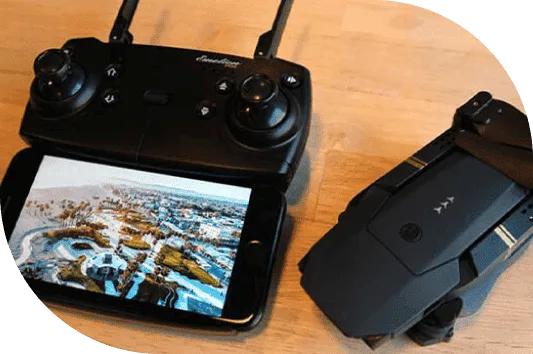
If you pixel-peep my trip clips from each drone, the Falcon lake pan and the Hawk lake pan are cousins. Same smooth water at 60fps, same soft far shore on a laptop, same happy result on a phone. I scored both cameras 5.5 out of 10, and I would not move either number after flying both.
The one real camera note favors neither: both need bright, close, slow shooting. Frame wide, pan slow, stay near. Break those rules and both punish you with blur.
Sample by sample
My keeper clips tell the story better than adjectives. Falcon sample one: lake dock, 4 in the afternoon, sun high, slow 360 pan from 20 feet. Phone screen result was genuinely pretty, water smooth, trees framed. Laptop result was softer at the far shore. Hawk sample one: same dock months earlier, same hour, same move. Same pretty phone clip, same soft far shore. I showed both to my nephew without labels and he picked the Falcon clip as better because the sun was brighter that day, not because the sensor was better. Kids notice light before they notice lenses, and he was right for the wrong reason.
Sample two on each: kids running on grass, tracking manually, both at about 30 feet. Both kept the runners centered fine at walking speed and both smeared when the kids sprinted. Sample three: dusk, both drones, both grainy, both retired to the bag within minutes. Three conditions, three ties. If camera quality decides your purchase, neither wins, and the DJI Mini 4K wins over both.
Range and Feed: The Shared Weak Link
Both drones steer through a controller while the video rides your phone over WiFi, and both show the same ceiling. Clean feed to about 100 meters in the open. Stutter past that. Full drops behind trees, walls, or at the far end of a big field. Both troubleshooting pages say to keep the remote within 100 meters, which is the brand quietly confirming the limit.
My worst moment on each drone was the same shape. Falcon shoreline flight: feed froze for two seconds at distance, thumb home, clean recovery. Hawk hill flight: feed froze for three seconds, same recovery. Neither drone offers GPS rescue, so every drop is a manual moment. The rule for both is identical. Fly close, fly line of sight, and treat the range number as a fence, not a goal.
Phone settings matter equally on both. Confirm the stay-connected prompt on the no-internet drone network, pin that network as priority, and kill background video apps competing for WiFi. Those three steps did more for my feed stability than anything in either manual. I also learned to face the drone with my body square to it, since turning my back to the aircraft put my own torso between the controller and the receiver and cost me visible range.
Setup Side by Side
Unbox to air follows the same six steps on each: charge 60 to 70 minutes, unfold arms, join drone WiFi, open app, pair controller, press takeoff, run fine-tune. Total hands-on time was about 20 minutes on each, and 15 of those were charging I should have done first.
Both punished my identical mistake identically. I skipped fine-tune on each maiden flight, each drifted sideways, each needed thirty seconds of balance taps. The Falcon docs explain the fix in more words. The Hawk app finds the setting one tap faster. Net difference: zero once you know the step exists, which is why this article exists.
Beginners should note what neither box includes. No carrying case in the single-unit orders. No spare battery. One USB cable each, standard controllers each, phone mounts each. Budget a lens cloth and patience, not accessories.
Flight Behavior: Twins in the Air
Launch is identical in spirit. One button, hands off, hover. Both hold altitude well in calm air and both slide in gusts. Both use downward ground sensors that help landings but never stop a wall encounter. Both top out near 30 mph on a calm straight run that you will rarely attempt, because the WiFi feed gets choppy at speed on both.
Battery behavior matched too. Full charges gave me 9 to 12 minutes on each in calm air, about 7 on cold mornings, with 60 to 70 minute recharges. Neither brand publishes a flight time, which remains my biggest honesty complaint about both funnels. Plan short sessions on either and you will never feel lied to.
The stunt modes match: press the 360 button, push a direction, watch the flip, gyro recovers. My nephew rated both flip modes a perfect ten. My yard rated both landings survivable.
After 28 combined flights, my field note reads: same calm-air joy, same wind limits, same short battery. The air does not pick a winner here.
App, Setup, and Docs: Falcon Edges Ahead
Pairing works the same on both: join the drone WiFi, open the app, pair the controller, press takeoff. Both phones protest the no-internet network, both need the stay-connected confirmation, both benefit from pinning the drone network as priority. Both apps feel dated next to modern flight apps but get the job done.
The difference is documentation. The Falcon support pages answer more failure modes in writing: drift correction, fast landings, ascent failures, controller pairing resets, and the WiFi drop fix. The Hawk docs cover the basics well but thinner. When your drone misbehaves at a lake with no signal to search, printed answers matter. This is the clearest functional edge either drone holds, and it belongs to the Falcon.
Setup mistake-wise, both punished me the same way. I skipped the fine-tune on each first flight, each drifted sideways, each needed thirty seconds of balance taps. Do the fine-tune on flight one with either drone. It is the difference between this drifts and this hovers.
Build and Portability: Dead Even
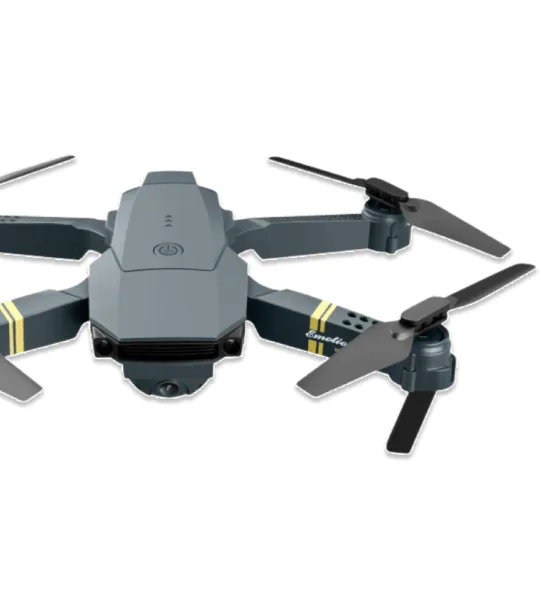
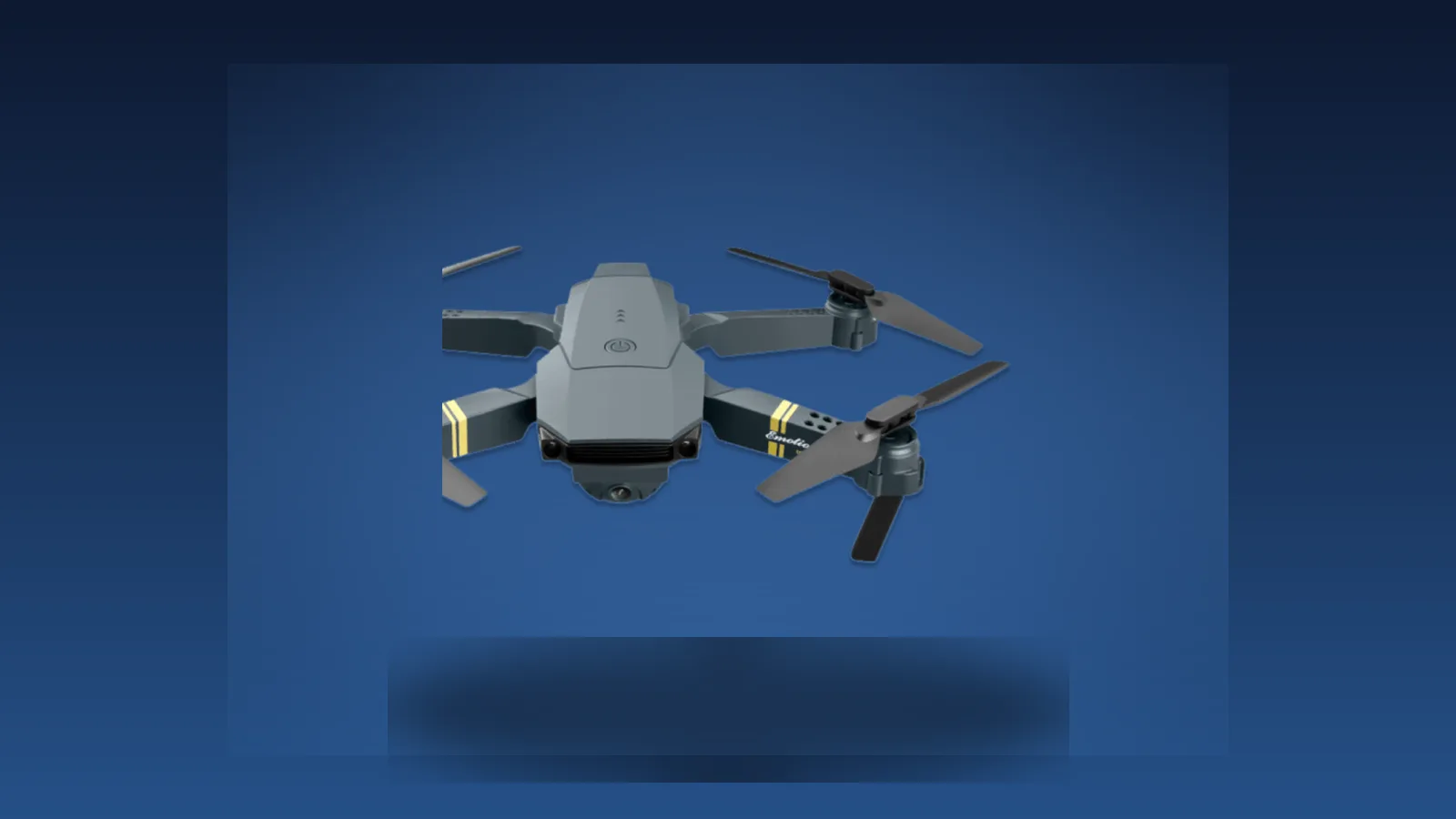
Folded, both vanish into a jacket pocket. Both use light plastic with visible seams, clip-on propellers, and basic rectangular controllers with phone mounts. Both survived my testing with cosmetic grace: bush landings, sand landings, one fence graze, zero breakage. Neither feels premium. Neither needs to.
Weight disclosure fails on both. Neither brand publishes takeoff weight, which leaves FAA and Transport Canada rules unclear on each. In the US, 250 grams and up means a $5 FAA registration plus the free TRUST test. In Canada, 250 grams and up means a pilot certificate. Confirm the weight with whichever seller you choose. Shared silence, shared homework.
Social Proof Patterns
Both funnels cite 3,758 brand-reported reviews at high averages, which I treat as marketing on both pages since neither is independently verifiable. Owner sentiment across forums rhymes: praise for one-button launch and price, complaints about short batteries, WiFi drop at distance, and soft low-light video.
Look closer and the praise specifics match flight for flight. Falcon owners write about grandkids flying in one afternoon. Hawk owners write about teens flying in ten minutes. Both groups use the phrase great first drone enough to call it the category motto. Both groups discovered the fine-tune fix the hard way, then posted it as advice like I do here. When two owner bases independently write the same tips, the tips are real and the drones are siblings in behavior if not in blood.
The angry reviews rhyme too. Buyers who expected DJI footage from a $99 toy wrote the one-star notes on both. Buyers who wanted a learner wrote the happy ones. Expectation sets satisfaction identically on each side of this comparison.
One asymmetry is useful. The Hawk has been selling longer, so its owner archive is deeper. More months of complaints means more answered questions: which phones pair cleanest, which chargers run hot, how support handles returns. The Falcon archive is thinner but its official docs are thicker, which partly compensates. Newer product with better paperwork versus older product with deeper street knowledge. I weight paperwork higher for beginners, street knowledge higher for tinkerers.
Registration Walkthrough for Either Drone
Neither brand publishes weight, so run this check on whichever drone you buy. Find a kitchen scale. Weigh the drone with battery and propellers fitted, since that is the takeoff configuration that counts. Under 250 grams in the US means no FAA registration, though the free TRUST safety test still applies to recreational flyers. At 250 grams or more, register at the FAA drone zone for $5 before the first flight.
Canada mirrors the line. Under 250g means basic recreational flying with standard safety rules and no certificate. At or above 250g, Transport Canada requires a pilot certificate, which means studying for and passing a small exam. Either way, check airspace before launch, keep clear of airports and crowds, and carry your registration or certificate details on your phone.
This shared homework is my strongest argument for weighing before flying day. Five minutes with a scale beats an argument with a ranger. Both drones are small enough that they may fall either side of the line depending on battery revision, so never assume based on my unit. Weigh yours.
What to Look For in Any $99 Drone
This comparison taught me the checklist I now apply to every budget drone. First, published flight time. A brand that hides the number is telling you the number. Second, takeoff weight. No weight means registration homework falls on you. Third, native resolution stated plainly. HD at 60fps is an honest spec. Fourth, return terms in writing before checkout. Fifth, troubleshooting docs you can use offline at the field.
Red flags that should stop a purchase: countdown timers that reset on refresh, stock counters that never move, review totals identical across unrelated products, and checkout pages that add coverage without clear consent. Both funnels in this comparison wave at least one of those flags, which is why the guarantee screenshot advice matters. Honest hardware can still ride inside pushy marketing. Judge the drone by the air and the terms by the writing, separately.
Apply that checklist and most $99 funnels sort themselves fast. The Falcon passes docs and fails disclosure like its peers. The Hawk passes bundle clarity and fails the same disclosures. Neither is a scam. Neither is a cinema tool. Both are tuition-priced flying lessons with honest fun inside and fantasy language outside.
Where Each One Wins
Cyber Falcon wins on:
- Live single-unit promo depth at the time of writing
- Troubleshooting documentation breadth
- Clearer stunt and fine-tune instructions
Sky Hawk wins on:
- Bundle ladder transparency ($69 and $59 per-drone tiers spelled out)
- Longer track record of owner reports to read before buying
- Established review page with deeper flight logs to compare against
Neither wins on:
- Camera truthfulness (both upscale, both oversell)
- Flight time disclosure (both silent, both short)
- Weight disclosure (both missing, both leave registration homework)
- GPS safety (both lack it entirely)
Who Should Buy Which
Buy the Falcon if: you want the best documented $99 learner and the stronger single-unit deal today. First-time pilots who read manuals, gift buyers who want troubleshooting answers in the box, and anyone who values the no-questions-asked guarantee wording should start here.
Buy the Hawk if: you are outfitting several flyers and the bundle ladder wins your math. Parents buying for two or three kids, camp counselors, and anyone whose checkout total comes out lower on the Hawk side should take the Hawk without regret. The flying is the same.
Buy neither today if: your budget reaches about $249, you need footage worth editing, or you fly where GPS rescue matters over water, forest, or rooftops. Price patience also counts. If neither funnel shows a real discount this week, wait. Both rotate promos constantly, and $99 is the normal price wearing a sale costume on each page.
How to Choose
Want the best documented $99 learner right now? Start with the Falcon and its support pages. Buying for several kids and want the clearest multi-pack math? Price the Hawk bundles first. Shopping purely on today’s total? Open both checkouts and let the final number decide. Want footage you can crop, flights over 15 minutes, or GPS rescue? Skip both and budget about $249 for the DJI Mini 4K.
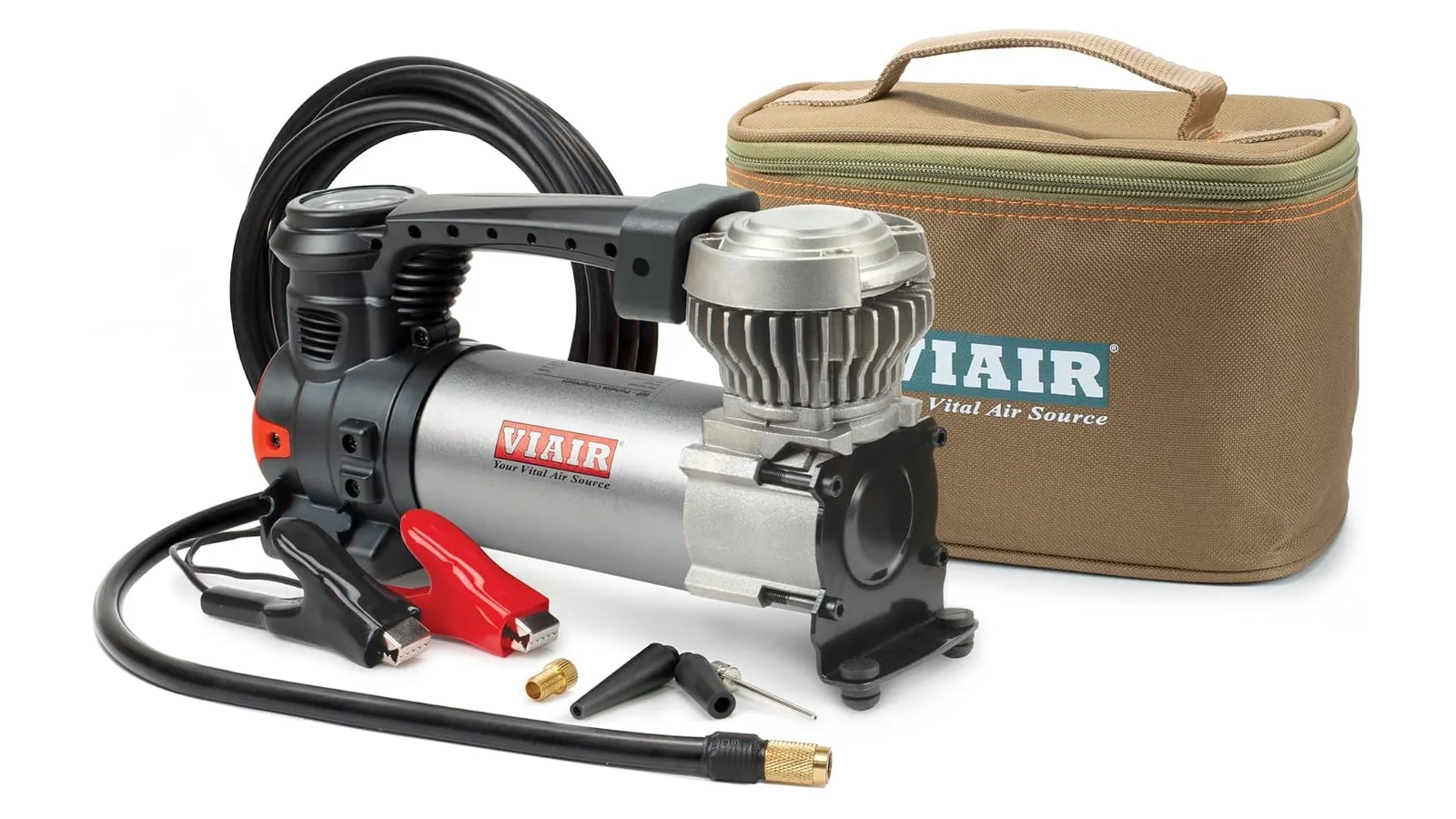
Travelers assembling a field kit should also weigh connectivity. A portable wifi unit like the Ryoko keeps your phone useful at remote flying spots, and a tire inflator like the Airmoto earns its trunk space on the same road trips. I pack all three together now: inflator for the tires, hotspot for the maps, drone for the view. The whole kit fits in one bag corner and turns any pull-off into a flying field.
Still torn between the twins? Price them both live before deciding. The runner-up checkout sometimes undercuts the winner for bundles.
What to Look For in Any $99 Drone
This comparison taught me the checklist I now apply to every budget drone. First, published flight time. A brand that hides the number is telling you the number. Second, takeoff weight. No weight means registration homework falls on you. Third, native resolution stated plainly. HD at 60fps is an honest spec. Fourth, return terms in writing before checkout. Fifth, troubleshooting docs you can use offline at the field.
Apply that checklist and most $99 funnels sort themselves fast. The Falcon passes docs and fails disclosure like its peers. The Hawk passes bundle clarity and fails the same disclosures. Neither is a scam. Neither is a cinema tool. Both are tuition-priced flying lessons with honest fun inside and fantasy language outside.
Final Checklist Before You Pay
Whichever twin you pick, run this five-minute drill at checkout. One, screenshot the price, the discount framing, and the guarantee wording. Two, decline every optional add-on you did not ask for, then recheck the total. Three, save the confirmation email in a folder you can find in 29 days. Four, message support with the two return questions: who pays return shipping, and does any fee apply. Five, weigh the drone on arrival and handle registration before the first flight.
That drill protects you on any $99 funnel, not just these two. The drones are the fun part. The paperwork is the part that saves money.
Verdict
Cyber Falcon takes it, narrowly and conditionally. Same class, same money, but better docs and the stronger live single-unit deal at publication. The docs edge matters more than it sounds. When your drone drifts at a lake with no signal, written answers beat star ratings. The Falcon manual answered my field questions. The Hawk manual answered most of them.
If the Hawk bundles undercut it on your shopping day, take the Hawk and lose nothing that matters. The airframes tie, the batteries tie, the cameras tie, and the guarantee windows match. A $10 checkout gap outweighs a documentation edge every time at this price.
If your budget reaches about $249, skip both and buy the DJI Mini 4K, which outflies them in every row that counts: true 4K, 31-minute flights, real GPS with return-to-home, and sub-249g weight that skips registration in both countries. The Falcon and Hawk are the first stage of the hobby. The DJI is the second. Start cheap if you are unsure, start serious if you are hooked, and never pay flagship money for tuition hardware.
Either way, buy the drone that exists. A $99 learner with real fun and real limits earns its place in any gadget bag. The fantasy version in the ads never existed, and no checkout button will change the hardware. Fly calm, fly close, and enjoy week one.
For the full deep dive on the winner, my Cyber Falcon Drone review carries the complete 14-flight log, and the Sky Hawk Drone review holds its own three weeks of testing notes. Both are linked at the top of this article.
Common Questions & Answers
Q: Which is better, Cyber Falcon or Sky Hawk?
Cyber Falcon wins by a nose on the live deal and clearer troubleshooting docs, but the two drones fly in the same class with near-identical spec sheets. Both cost about $99, both shoot HD upscaled video at 60fps, both lack GPS, and both carry a 30-day guarantee. Check both checkouts and buy whichever is cheaper that day.
Q: Are Cyber Falcon and Sky Hawk the same drone?
I did not test them as the same hardware and will not claim that. What I can say from flying both is that the sales funnels share a template, the spec lists match almost line for line, and the flight behavior in the same conditions was very close. Treat them as fraternal twins from the same playbook, then decide on price and terms.
Q: Do either have true 4K cameras?
No. Both describe HD video at 60fps through a 120 degree lens in their spec sections, with 4K wording layered over the marketing. Expect good phone-screen clips in bright sun and soft footage in low light from either drone.
Q: Which flies longer per charge?
Neither brand publishes a flight time. In my testing both delivered roughly 9 to 12 minutes per full charge in calm air, with 60 to 70 minute recharge times. Cold mornings cut both to about 7 minutes. Call this one a tie and fly with a short-session mindset.
Q: Do Cyber Falcon or Sky Hawk have GPS?
Neither has GPS. Both rely on altitude hold plus downward ground sensors, which means no return-to-home and no follow-me on either. Keep both within about 100 meters and in open sight.
Q: Which is better for a complete beginner?
Both are equally beginner friendly with one-button takeoff and landing, altitude hold, and phone-based live view. My nephew learned on the Falcon in one afternoon and my teen learned on the Sky Hawk just as fast. Pick by price, since the learning curve is the same.
Q: What do they cost right now?
Both hover around $99 single-unit promo pricing, shown as half off, with multi-unit bundles that lower the per-drone cost. Promos rotate, so open both checkouts before you pay and compare the final totals including any optional add-ons.
Q: Do they need FAA registration?
Both brands stay quiet on takeoff weight, which decides the rule. In the US, drones at or above 250 grams must be registered with the FAA, and in Canada the same 250g line triggers a pilot certificate from Transport Canada. Confirm the weight with the seller for whichever drone you buy.
Q: Should I just buy a DJI Mini 4K instead?
If your budget stretches to about $249, yes. The DJI Mini 4K gives true 4K, 31-minute flights, real GPS, and sub-249g weight that skips registration in both countries. The Falcon and Hawk are $99 learners. The DJI is the drone you graduate to.
More Smart Gadgets Articles
Related Product Reviews


Consumer electronics reviewer specializing in smart gadgets and everyday tech. Tests 100+ gadgets annually. Previously wrote for The Verge and Wired. Focus on practical daily-use value.