
In This Article
- TL;DR
- Storage Methods Compared
- Why Trunk Storage Kills Cordless Pumps
- The 60 Minute Revive Trick, Step by Step
- 1. Airmoto, Around $89
- 2. AstroAI 20V Cordless Inflator, Around $55
- 3. VIAIR 88P, Around $90
- 4. NOCO GENIUS1 Maintainer, Around $30
- 5. AstroAI Digital Gauge, Around $9
- The Two-Pump Garage: Cost Math That Justifies Itself
- The Quarterly Routine in 5 Minutes
- How to Choose Your Setup
- Verdict
Last March I reached for my cordless inflator and got nothing. No light, no beep, a button that clicked into silence. It had sat in my trunk since November at full charge, or so I thought. An hour on a wall brick brought it back, and that scare taught me the rule behind this article: lithium pumps do not store like 12V pumps. My guide to storing a portable tire inflator properly covers the basics, and this post goes further with the revive trick that saves seemingly dead units plus the storage routine that keeps them alive.
If your pump runs for a split second then stops, or the power button does nothing at all after months in the car, work through this guide before you buy a replacement. Most of these deaths are reversible.
TL;DR
- A dead-after-winter pump is usually deeply discharged, not broken. Charge it on a wall brick for a full 60 minutes before judging.
- Store cordless pumps at 40 to 60 percent charge, indoors, with a top-up every 90 days.
- Never store at zero percent and never charge a frozen pump. Warm it indoors first.
- Trunk heat kills batteries faster than winter cold. Summer is the real enemy.
- A 12V clamp compressor as backup means you are never stranded by a dead battery again.
Storage Methods Compared
| Method | Effort | Pump survives | Risk |
|---|---|---|---|
| Indoors at 40 to 60 percent, checked quarterly | 5 min every 90 days | Years of reliable starts | Forgetting the quarterly check |
| Trunk year round, cordless, no checks | Zero | One summer or winter, then dead | Heat aging plus deep discharge |
| Trunk year round, 12V plug-in or clamps | Zero | Indefinite, no battery to age | None for storage, needs running car |
| Cordless plus 12V backup in trunk | Buy once | Covered in every scenario | Slightly more trunk space |
| Battery maintainer on the car | Plug in monthly | Car side always ready | Does not charge the cordless pump |
The table makes the tradeoff obvious. Zero effort storage works only for pumps without batteries. Cordless convenience costs four five-minute checkups a year. The belt and suspenders row, cordless plus a plug-in backup, is what I run now after my March scare.
Why Trunk Storage Kills Cordless Pumps
Two forces team up inside a parked car. Heat accelerates the chemical aging of lithium cells, and a trunk in July easily tops 140 degrees, which permanently eats capacity whether you use the pump or not. Meanwhile self-discharge plus the standby circuit drain the cell month by month. A pump stored full in October can sit near empty by February, and one cold snap drops voltage below the protection cutoff. The pump is not broken. Its brain disconnected the battery to save it, and it needs sustained charging to reconnect.
Cold gets the blame and heat does the damage. Winter causes the dramatic failures because voltage sags with temperature, so marginal batteries give up all at once. But summer heat quietly halves the lifespan of trunk-stored packs. If you remember one sentence from this section, make it this: heat ages, cold reveals.
Cold gets the blame and heat does the damage. Winter causes the dramatic failures because voltage sags with temperature, so marginal batteries give up all at once. But summer heat quietly halves the lifespan of trunk-stored packs. If you remember one sentence from this section, make it this: heat ages, cold reveals.
The numbers back that up. A lithium cell stored at full charge in 140 degree trunk heat can lose a fifth of its capacity in a single summer. The same cell stored at half charge indoors loses a few percent per year. That gap is why two identical pumps bought together can end up with one healthy and one dead: the trunk sleeper aged five times faster while nobody watched.
The 60 Minute Revive Trick, Step by Step
Do this exactly before you declare the pump dead. I have revived three units with this routine, including my own.
First, bring the pump indoors and let it sit one hour if it came from freezing cold. A room temperature battery accepts charge normally while a frozen one may refuse it or, worse, take damage from the attempt.
Second, connect your best USB-C cable to a genuine wall brick, ideally 18 watts or more. Skip laptop ports, car ports, and ancient 5 watt cubes. Weak sources cannot push a protection circuit back awake. Watch for any sign of life in the first 10 minutes: a blinking LED, a partial display, anything.
Third, leave it completely alone for a full hour. Do not press buttons, do not unplug to test. Protection circuits often need sustained input before they reconnect the cell, and interrupting the process restarts the clock.
Fourth, unplug and try a normal power-on. If it boots, run it briefly, then charge to full and put it on the quarterly routine below. If the button blinks once and dies again, repeat the hour once more with a different cable and brick. Two failed hours on known-good gear means the cell is genuinely gone.
My detailed breakdown of Airmoto power and charging faults covers cable failures and port cleaning for cases where the revive trick points at the charger instead of the battery.
Lithium cells lose a few percent of charge every month in storage, and a pump’s standby circuit sips a little on top. Four five-minute top-ups a year is the entire maintenance program that separates pumps lasting years from pumps dying in one winter.
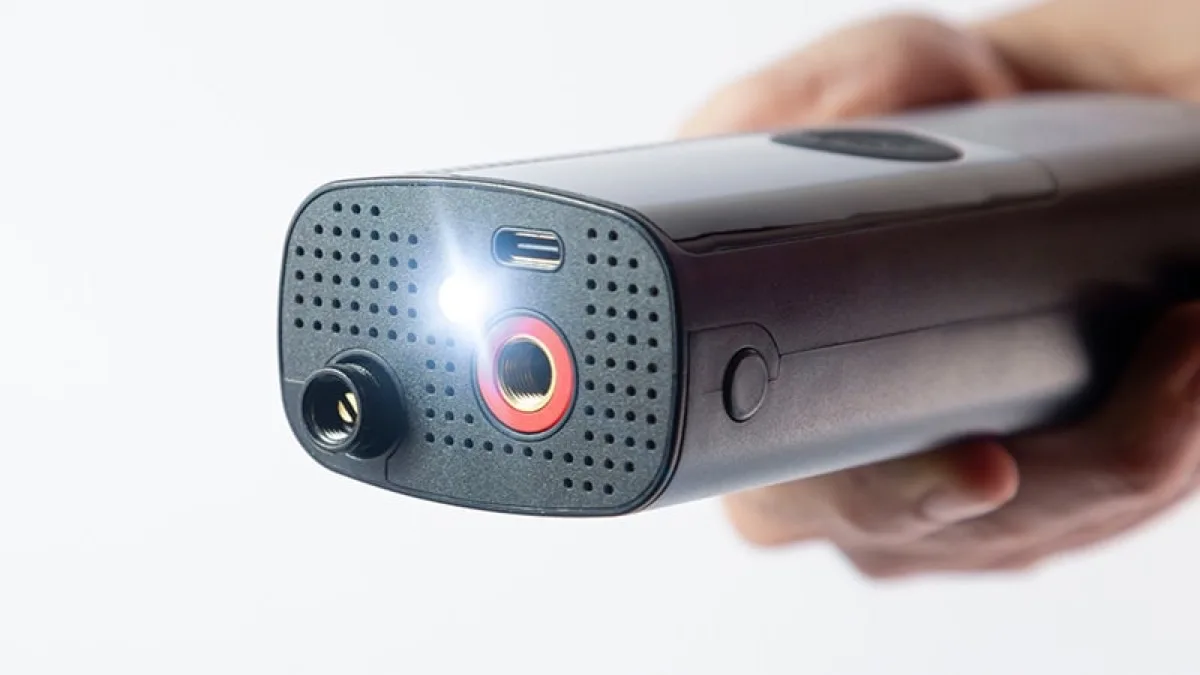
1. Airmoto, Around $89
Why it earns the routine top off spot: compact, preset driven, and easy to store correctly once you know the rule, which makes it the pump this revive guide assumes you own.
The Airmoto is a great pump done in by bad storage more than any other failure I see. Treat it like a camera battery, not a tire iron. After your monthly top off, leave it near half charge on a shelf indoors. Set a quarterly phone reminder. When travel season returns, charge it full the night before. Follow that and the 60 minute revive stays a story you tell, not a ritual you repeat. Full test results are in my Airmoto review.
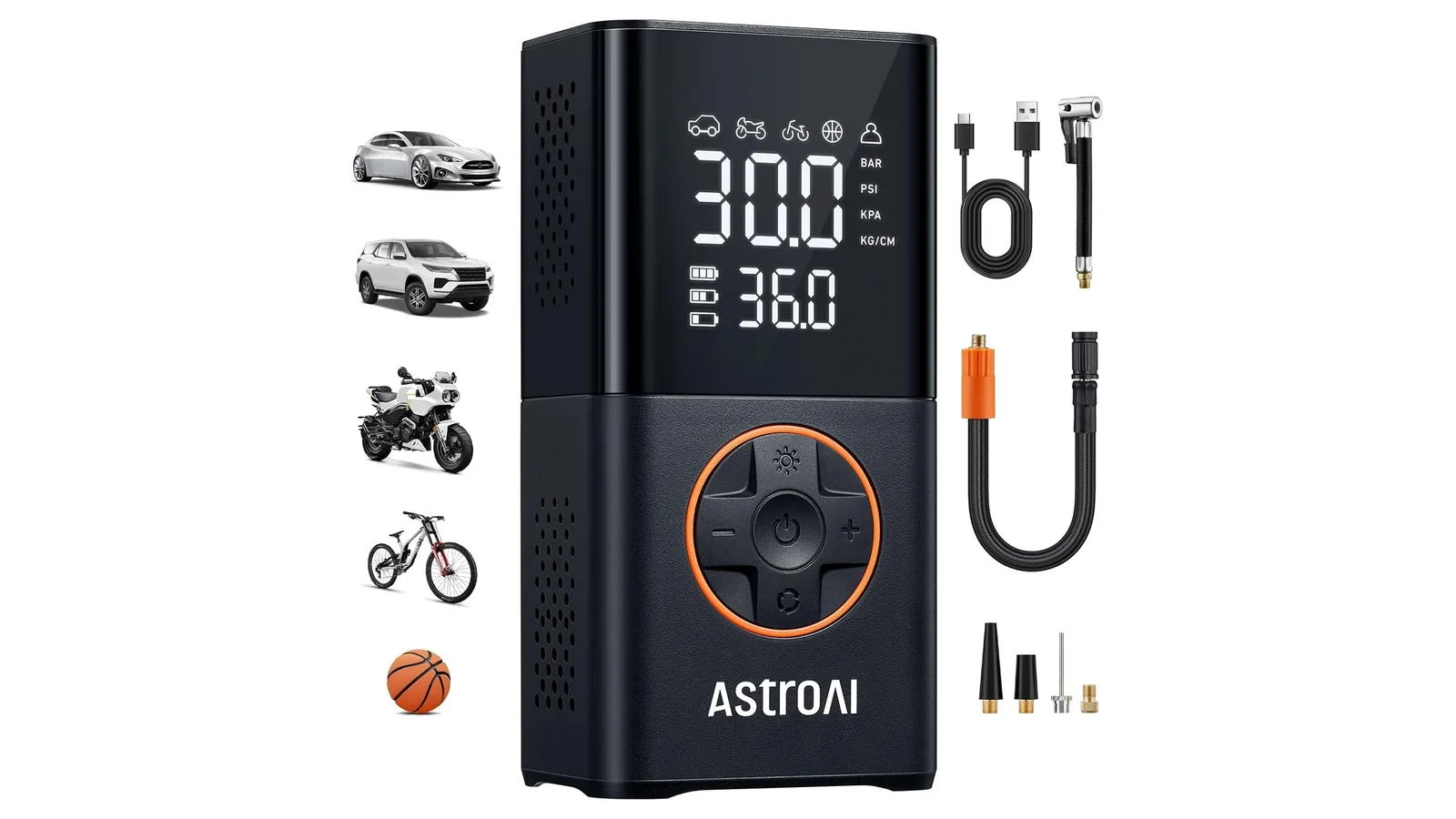
2. AstroAI 20V Cordless Inflator, Around $55
Why it earns the hedge pick spot: it ships with a 12V car adapter, so a dead battery never strands you. Plug into the socket and finish the job.
This is the cleverest answer to storage death in the cordless category. The removable 20V pack runs the pump for routine use, and if you neglected the quarterly charge, the included 12V adapter powers the unit straight from the car. You get cordless convenience with a built-in escape hatch. The tradeoff is bulk: battery plus adapter plus pump take real trunk space, and the 20V pack wants the same 40 to 60 percent storage rule as any lithium cell. For forgetful owners, the adapter pays for itself the first winter.
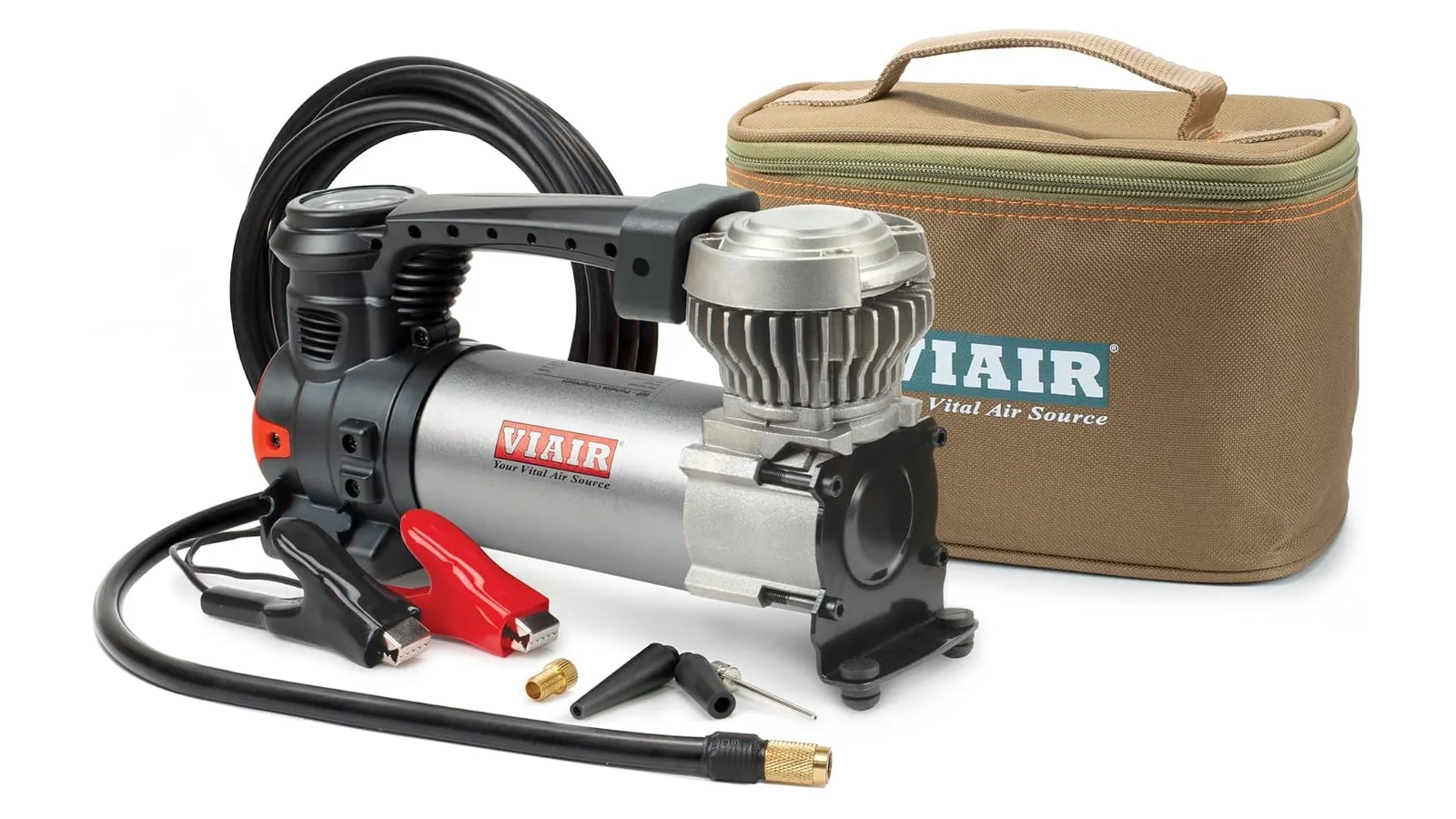
3. VIAIR 88P, Around $90
Why it earns the backup that cannot die spot: no battery means no storage death, ever. Clamp it on a running car in 2030 and it works like day one.
Every cordless owner should own one of these as insurance. Battery clamps draw straight from the vehicle, so summer heat and winter neglect mean nothing to it. It also fills faster than any pocket pump, which is why it anchors my overheating and duty cycle guide as the workload pick. The cost is trunk space and the two minute clamp ritual. Around $90 is cheap for sleep insurance that never needs charging.
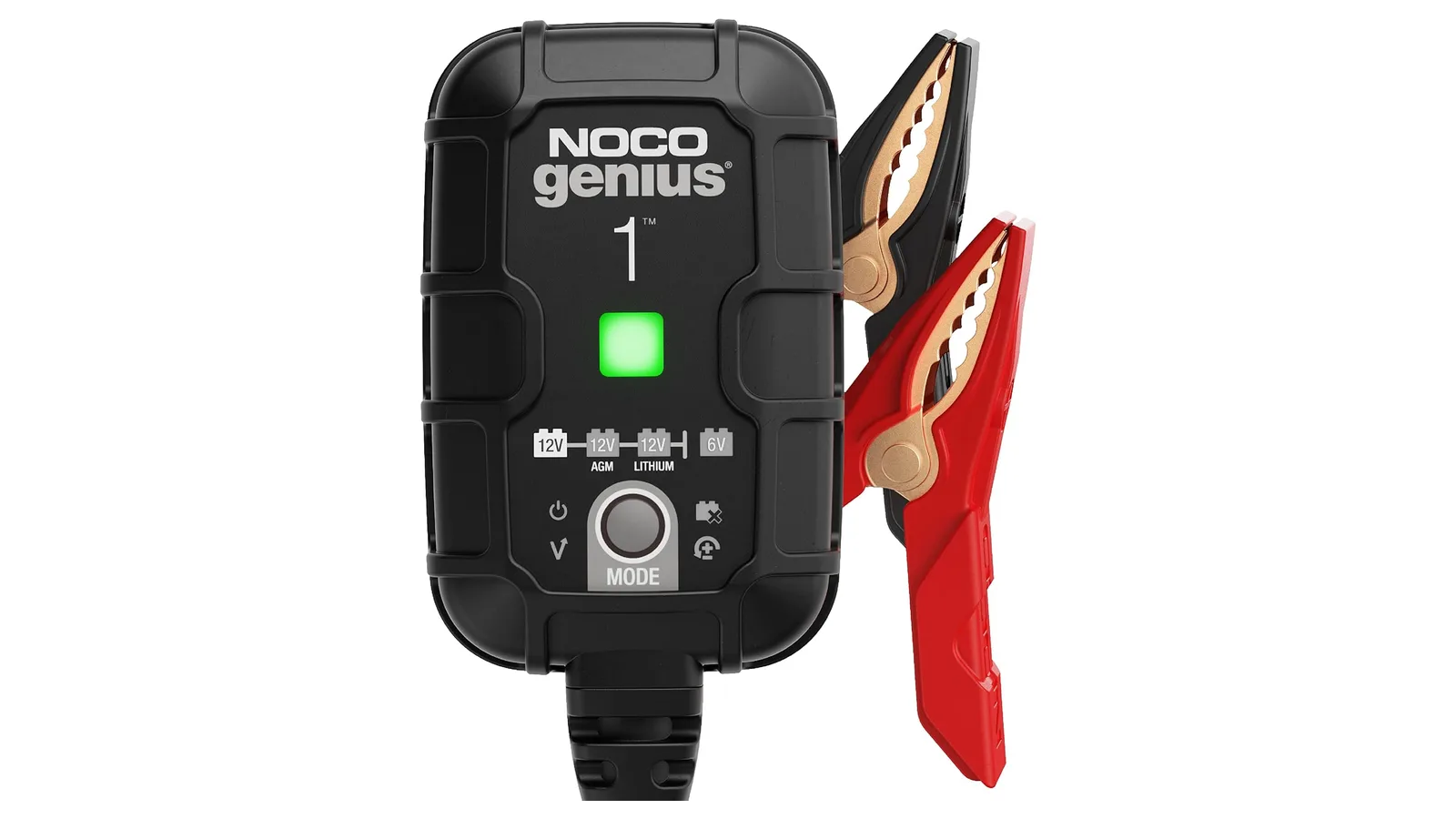
4. NOCO GENIUS1 Maintainer, Around $30
Why it earns the system protector spot: it keeps your car battery healthy, which guarantees the 12V side of your setup always has power when the cordless side lets you down.
The GENIUS1 is a 1 amp smart charger that maintains any 6 or 12 volt battery without overcharging. Clip it on monthly, or leave it connected through winter storage, and your car starts strong on the coldest morning. That matters for tire care because every 12V backup pump assumes a live car battery. Over 63,000 owner ratings averaging 4.4 stars at last check back this model, and its spark-proof, reverse-polarity-protected design forgives beginner mistakes. It does not charge your cordless inflator directly. It protects the other half of the system.


5. AstroAI Digital Gauge, Around $9
Why it earns the verify after revive spot: a revived pump deserves a trust check, and a $9 gauge confirms the inflator reads sane before you rely on it.
After any revive, fill one tire and compare the inflator screen against this gauge using the pump, rest, confirm order from my accuracy guide. If the numbers agree within 2 PSI, the pump survived storage with its calibration intact. If they disagree wildly, the sensor may have suffered alongside the battery, and you will know before a roadside emergency teaches you. Cheap insurance that lives in the door pocket.
The Two-Pump Garage: Cost Math That Justifies Itself
One replacement pocket pump costs around $89. The backup setup that prevents ever needing one costs less when bought smart.
| Setup | What you buy | Typical cost | What it prevents |
|---|---|---|---|
| Cordless only, stored right | Pump you own plus discipline | $0 extra | Most storage deaths |
| Cordless plus 12V socket pump | Budget plug-in as backup | Around $26 | Stranded by dead cordless |
| Cordless plus VIAIR 88P clamps | Full capability backup | Around $90 | Dead battery, slow fills, fuse fears |
| Cordless plus maintainer | NOCO GENIUS1 for the car | Around $30 | Dead car battery compounding everything |
The middle rows are the sweet spot. A budget socket pump as backup costs less than a tank of gas and answers the single question that matters at midnight: can I add air right now. The 88P row costs more but replaces three worries at once, which is why it anchors both this guide and my duty cycle recommendations.
The Quarterly Routine in 5 Minutes
- Pull the pump from its shelf and check the battery indicator.
- Top up or bleed down to roughly half charge. Two tires topped off usually lands there.
- Wipe the chuck threads and check the hose for cracks.
- Press power once to confirm it boots, then store it back indoors.
- Reset a 90 day phone reminder and forget about it until summer.
Tie this to another quarterly habit and it becomes automatic. I do mine with smoke alarm tests. Five minutes, four times a year, zero dead pumps.
How to Choose Your Setup
- One car, monthly checks, decent memory? Cordless alone plus the quarterly routine.
- Forgetful, or two cars sharing one pump? Cordless with a 12V adapter, or add the VIAIR 88P as backup.
- Car sits all winter? Maintainer on the battery, cordless stored indoors at half charge.
- Want zero maintenance thinking? 12V clamp pump only. It cannot die in storage because there is nothing to die.
The power type decision deserves its own treatment, and my portable inflator power guide maps every vehicle and habit to the right tier with the PSI math included.
Verdict
A dead-after-winter pump is a storage failure, not a product failure, and the 60 minute revive saves most of them. Going forward, store cordless at half charge indoors, check it quarterly, and keep a battery-free backup for the day you forget. That trio costs less than one replacement pump and ends the spring surprise forever. My best portable inflators roundup keeps every option side by side with current prices if you want the numbers behind the advice.
Cordless convenience is wonderful nine months a year. Respect the battery the other three and it returns the favor every time you press the button.
Common Questions & Answers
Q: Why won't my cordless tire inflator turn on after winter?
The lithium battery self-discharged below the safety cutoff while it sat. Lithium cells lose charge every month, faster in heat and slower in cold, but cold can temporarily drop voltage so low the protection circuit refuses to wake. The fix is a 60 minute charge on a wall brick, not a laptop port, which often resets the circuit. If the button blinks once and dies, the cell is deeply discharged and needs that long charge before you judge it dead.
Q: Can I leave a portable tire inflator in my car year round?
A 12V plug-in or clamp compressor can live in the trunk forever with no care. A cordless lithium unit cannot. Summer trunk heat degrades the cells permanently, and winter cold plus months of self-discharge can drop voltage below recovery. If you insist on trunk storage for a cordless pump, bring it inside every three months for a top-up charge and never leave it at zero percent.
Q: What charge level should I store a lithium inflator at?
Store it at 40 to 60 percent, the same rule camera and tool batteries follow. Full charge storage stresses the cells and speeds aging, while empty storage risks dropping below the protection cutoff. Pump two tires to land near half, or run the unit briefly after a full charge. Then set a phone reminder to check it every 90 days.
Q: How do I revive a deeply discharged inflator battery?
Plug it into a real wall charger with the best USB-C cable you own and leave it alone for a full hour without pressing buttons. Many protection circuits need sustained input before they reconnect the cell. If nothing happens after an hour, try a different cable and brick, clean the port with a wooden toothpick, and try once more. Two failed hours on known-good gear means the cell is gone and it is replacement time.
Q: Does cold permanently damage inflator batteries?
Cold alone rarely kills a healthy lithium cell, but it temporarily cuts available power, which is why a pump that worked in October seems dead in January. Permanent damage comes from charging a frozen battery or storing one fully drained through winter. Warm the unit indoors for an hour before charging, and never charge a pump that spent the night below freezing without that warm-up.
Q: Is a 12V plug-in inflator better for emergency use?
For pure emergency reliability, yes. A 12V compressor has no battery to age, so it works on day one and day one thousand identically, as long as your car battery is alive. Cordless wins on convenience for monthly top offs at home. Many experienced owners carry both: cordless for routine checks and a $26 to $90 plug-in as the backup that cannot die in storage.
Q: How often should I recharge a stored cordless inflator?
Every 90 days at minimum. Lithium cells self-discharge a few percent per month, and the pump's standby circuit sips a little more. Mark the equinoxes on your calendar or tie the check to another quarterly habit like testing smoke alarms. A five minute top-up four times a year is the entire maintenance program.
Q: Can a battery maintainer help with inflator storage?
A maintainer like the NOCO GENIUS1 keeps your car battery healthy, which indirectly guarantees your 12V backup pump always has power. It does not charge a cordless inflator directly. Think of it as protecting the other half of the system: the cordless pump covers convenience, the maintainer guarantees the car side never lets you down on a freezing morning.
More Smart Gadgets Articles
Related Product Reviews



Consumer electronics reviewer specializing in smart gadgets and everyday tech. Tests 100+ gadgets annually. Previously wrote for The Verge and Wired. Focus on practical daily-use value.