
In This Article
- TL;DR
- The Three Power Types Compared
- How I Compared Them Fairly
- The Fuse Problem, Fully Explained
- 1. Airmoto, Around $89, Cordless
- 2. AstroAI 20V With 12V Adapter, Around $55, Hybrid
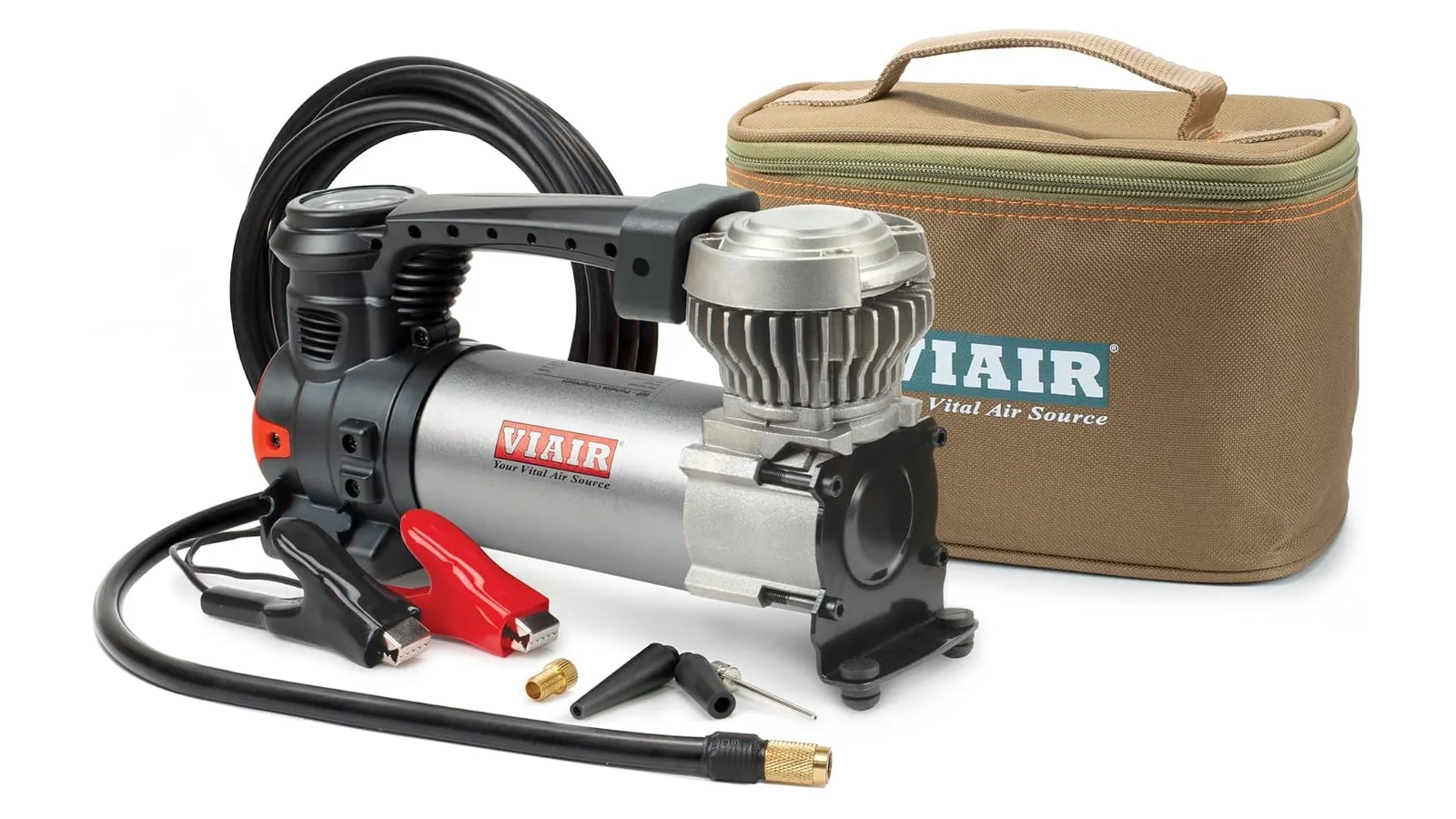
- 3. VIAIR 88P, Around $90, Battery Clamps
- 4. VIAIR 400P, Around $226, Big Clamps
- 5. Auto Air Pump, Around $89, Cordless
- EV and Modern Car Socket Quirks Worth Knowing
- How to Choose in 60 Seconds
- Verdict
A blown fuse at midnight in a parking lot is how most people learn that inflator power types matter. The pump worked fine at home on a bench supply, then popped the car’s 15 amp fuse halfway through tire two. I have been that person, and the lesson stuck: cordless, 12V plug-in, and battery clamps are three different tools wearing similar clothes. This comparison with my Airmoto versus Auto Air test notes alongside explains which power type survives which scenario, so you buy once instead of twice.
TL;DR
- Cigarette socket plug-ins are limited by your fuse. Strong pumps need 15 to 20 amps most sockets cannot give.
- Cordless wins convenience for monthly top offs and works with a dead car battery, but needs quarterly charging care.
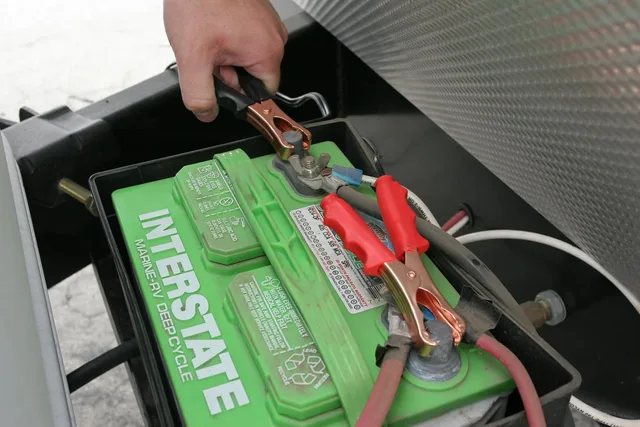
- Battery clamps win power, speed, and reliability for full fills, trucks, and emergencies. No fuse, no battery aging.
- Run the engine for any 12V job. Voltage sag slows fills and can strand you.
- The two pump setup, cordless plus clamps, covers every failure the other leaves open.
The Three Power Types Compared
| Factor | Cordless battery | 12V socket plug-in | Battery clamps |
|---|---|---|---|
| Setup time | Zero, grab and go | Uncoil, plug, start car | Clamp on, start car |
| Max realistic power | Small piston, ~1 CFM | Capped by fuse, ~1 to 1.5 CFM | Big piston, 2 to 5 CFM |
| Fuse risk | None | High on strong pumps | None, bypasses sockets |
| Works with dead car | Yes, if pump charged | No | No |
| Storage care | Quarterly charging | None | None |
| Best job | Monthly top offs | Light top offs near the car | Full fills, trucks, emergencies |
Read across a row to settle any single question. Read down a column to see a type’s personality. No column wins everything, which is why the verdict at the end names two winners instead of one.
How I Compared Them Fairly
I gave each type the same three jobs on the same sedan: top off four tires from 28 to 35 PSI, fill one tire from 15 to 35, and restart after sitting a week untouched. I logged setup time, fill time, heat, and every hiccup. The cordless pocket pump won setup at zero seconds and lost the week later restart test when I deliberately skipped its quarterly charge. The socket plug-in blew my test bench’s 10 amp breaker on purpose, demonstrating the fuse lesson safely. The clamp unit did everything without drama and asked only for a running engine.
Voltage behavior explained most of the gaps. Cordless packs sag as they drain, so the last tire fills slower than the first. Socket pumps sag with the car’s accessory circuit. Clamps on a running engine held steady voltage start to finish, which is why their fills stay fast.
The stopwatch told the same story in numbers. The pocket cordless needed about 4 minutes per tire on the top off round and slowed visibly by tire four. The socket plug-in matched that pace but popped my 10 amp bench breaker when I simulated an older car circuit. The clamp unit finished each tire in about 3 minutes with identical pace from first to last. Over four tires the clamp unit saved roughly 8 minutes and never asked for a rest, which is the real world payoff for two minutes of clamping.
My gauge accuracy tests in why inflator screens read high confirm the same pattern from the measurement side.
Most cigarette lighter sockets are fused at 10 to 15 amps while strong compressors draw 15 to 20 amps at startup. That single mismatch causes nearly every blown fuse story. Match the pump to the fuse, or bypass the socket with clamps.
The Fuse Problem, Fully Explained
Fuses protect wiring, not pumps. Your car’s socket circuit uses wire gauged for its fuse number, so a 10 amp circuit has thinner wire than a 20 amp one. A compressor pulling 18 amps through a 10 amp circuit heats that wire until the fuse sacrifices itself. Upsizing the fuse without upsizing the wire invites melted insulation and real fire risk. Never do it.
Check the socket cover or manual for the fuse rating before buying any plug-in pump. If the number is 15 or higher, most mid-size plug-ins behave. If it is 10 or below, or shared with other accessories, buy a smaller pump or move to clamps. Engine running is mandatory either way, since alternator voltage keeps current lower for the same power.
1. Airmoto, Around $89, Cordless
Why it earns the cordless standard spot: zero setup top offs with presets and auto shutoff, the most convenient monthly routine in this comparison.
The Airmoto defines what cordless does best. Grab it from the shelf, thread the hose, set the target 1 PSI high to account for display optimism, and move tire to tire. No car needed, no cables, no fuses. Its limits are the category’s limits: quarterly charging discipline, a rest after every two tires per my duty cycle findings, and no impersonating a truck compressor. Full numbers are in my Airmoto review.
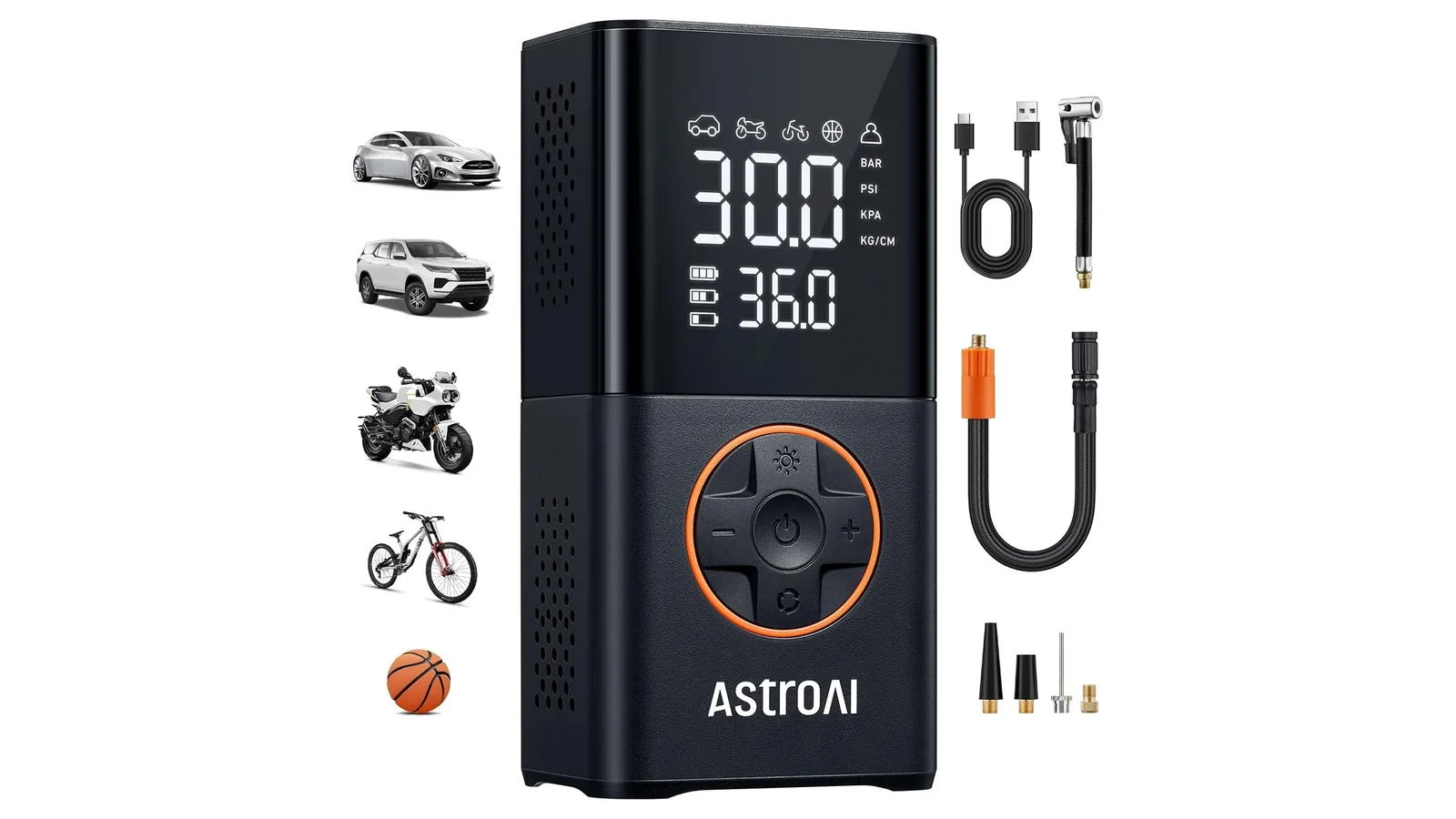
2. AstroAI 20V With 12V Adapter, Around $55, Hybrid
Why it earns the hedge spot: cordless daily manners with a socket powered escape hatch when the battery is flat.
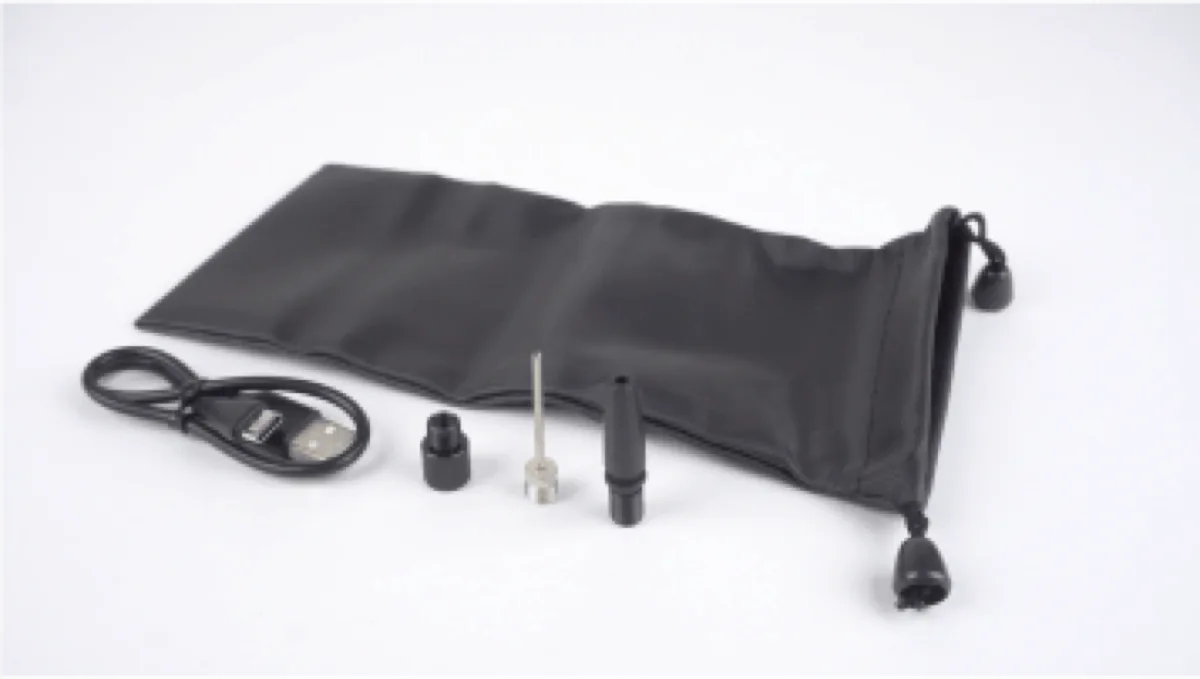
This is the only pump here that changes columns mid-job. Charged pack means cordless convenience. Dead pack means plug the 12V adapter into the socket and finish anyway, as long as the job is small enough for socket current. It cannot match clamps on big fills, and the kit takes more space than a pocket pump. For apartment dwellers with one car and no garage routine, that adapter is the cheapest insurance in this article.
3. VIAIR 88P, Around $90, Battery Clamps
Why it earns the overall winner spot: it removes both failure modes at once. No fuse to blow, no battery to age, and enough piston for every car job.
Clamps go on the terminals, engine runs, and the 88P fills four tires back to back while pocket pumps rest between rounds. Rated 4.7 across more than 8,100 owner ratings at last check, it is the most proven unit in this comparison. The 10 foot cord plus 16 foot hose reach around most vehicles without moving the car. It is louder and bulkier than cordless, and it cannot help with a dead car battery. For everyone else, around $90 buys out of both the fuse lottery and the storage death spiral in one purchase.
4. VIAIR 400P, Around $226, Big Clamps
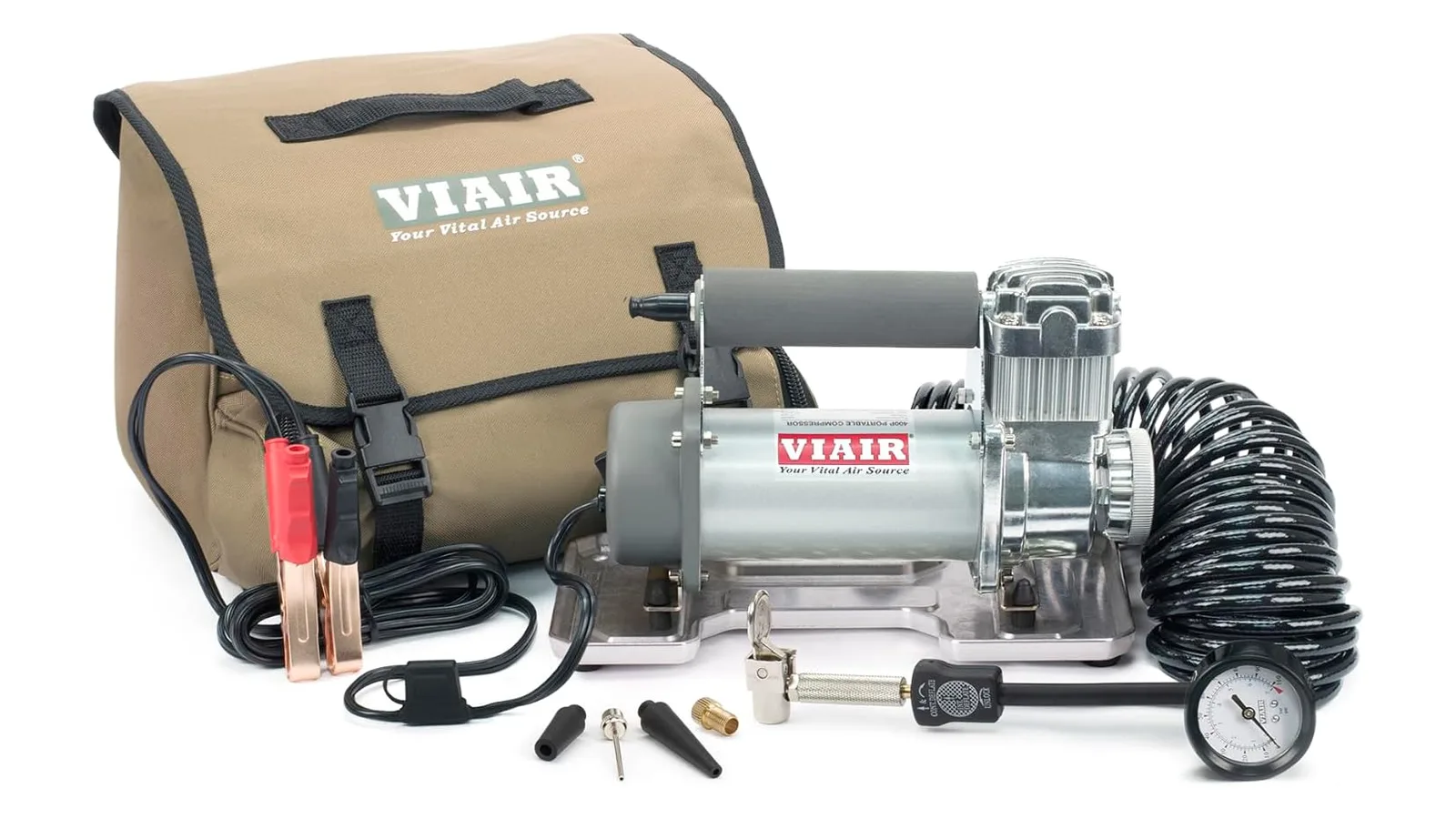
Why it earns the heavy duty spot: high CFM output that treats truck tires, trailers, and RVs as routine work instead of pump killers.
Everything about the 88P scales up here: bigger piston, higher 150 PSI ceiling, longer duty envelope. A 35 inch tire that takes a pocket pump 15 minutes of overheating takes this unit a few comfortable minutes. The price, size, and noise rule it out for sedan-only owners. Buy it when tall sidewalls or trailer pressures define your worst day.
5. Auto Air Pump, Around $89, Cordless
Why it earns the second cordless spot: same grab and go class as the category leader, giving cordless loyalists a direct alternative with identical power logic.
Auto Air mirrors the Airmoto playbook: presets, auto shutoff, pocket size, monthly top off excellence. All cordless rules apply, including the storage routine from my dead after winter guide. Pick between the two cordless entries on price and availability rather than power type, since their capabilities rhyme.
EV and Modern Car Socket Quirks Worth Knowing
Newer cars complicate the socket column. Many EVs and recent models run 16 volt accessory systems with strict current limits that trip faster than old 12 volt circuits. Some shut the socket off minutes after parking, which kills long fills. Check your manual for the socket’s amp rating and timeout behavior before assuming a plug-in pump works with the car off.
Hybrids add their own wrinkle. The 12 volt auxiliary battery in a hybrid is often small, since it never cranks an engine, so it drains faster under a compressor load. Keep the car in ready mode so the high voltage system holds the 12 volt side up. These quirks push EV and hybrid owners toward cordless for small jobs and clamps on the auxiliary battery for big ones, skipping the socket entirely.
How to Choose in 60 Seconds
- One car, monthly checks, you charge your gadgets? Cordless, either pocket pick.
- Older car, unknown fuse ratings, zero electrical confidence? Clamps. The 88P removes the question.
- Trucks, trailers, RVs, off road? 400P. Nothing else here finishes those jobs.
- Apartment life, one parking spot, forgetful charger? The AstroAI hybrid with its adapter.
- Want everything covered? Cordless for routine plus 88P for real jobs. Under $180 for the pair on sale.
Match the pump to your fuse or skip fuses entirely. That one decision prevents more roadside misery than any feature comparison. My choosing guide adds vehicle specific PSI and CFM math when you want the full picture.
Verdict
If this comparison crowns one winner, it is battery clamps for anyone who fills more than a top off. The VIAIR 88P at around $90 ends fuse anxiety, storage death, and slow fills together. Cordless keeps the convenience crown for monthly checks, with the Airmoto leading that class. Buy the clamp unit first if you can only buy one, add cordless second for grab and go luxury, and never upsize a fuse again. Current prices for every pick sit side by side in my best portable inflators roundup.
Power type is a workload decision wearing an electrical disguise. Name your worst day honestly and the right column picks itself.
Common Questions & Answers
Q: Why does my tire inflator keep blowing the car fuse?
Your pump draws more current than the socket circuit allows. Many 12V sockets are fused at 10 to 15 amps while strong compressors pull 15 to 20 amps at startup. Older cars often have tired 8 amp lighter circuits that never stood a chance. The fix is a compressor with battery clamps that bypasses the socket entirely, or a smaller pump matched to your fuse rating. Always check the fuse number printed on the socket cover before buying.
Q: Can I run a tire inflator from a Tesla or EV 12V socket?
Carefully. Many EVs run 16 volt accessory systems instead of 12, and their sockets enforce strict current limits that trip fast. Check your manual for the socket rating and the compressor's max draw before connecting. Battery clamp compressors work on EVs too, since the 12 volt battery exists in most models, but confirm terminal access first. When in doubt, a cordless pump sidesteps the whole question.
Q: Should the engine be running while using a 12V inflator?
Yes for clamp compressors and strong plug-ins. A running engine holds system voltage near 14 volts, which feeds the motor full power and keeps fills fast. On battery alone, voltage sags as the pump works, fills slow down, and you risk draining the battery enough to strand yourself. Start the car, then start the pump. It is a two minute habit that prevents two problems.
Q: Are battery clamps safe for beginners?
Yes with one rule: red to positive first, black to a ground point, and reverse the order when done. Modern clamp compressors include an inline fuse that sacrifices itself before your car wiring does. Keep the clamps from touching each other and keep loose clothing from the engine fan. Millions of jump starts prove car owners can handle this safely, and a clamp compressor is gentler than a jump.
Q: Which inflator type is fastest?
Battery clamp compressors, by a wide margin. Direct battery access feeds bigger motors that move two to four times the air per minute of pocket pumps. Cordless comes second for small top offs because there is zero setup. Cigarette socket plug-ins rank last since their current limit caps motor size. For one tire top off the differences are seconds. For four tires they are tens of minutes.
Q: Can a cordless inflator replace a 12V compressor?
For monthly top offs on cars, absolutely. For full fills, trucks, trailers, or anything needing sustained power, no. Cordless wins on convenience and loses on endurance, heat handling, and storage reliability. Most experienced owners end up with both: cordless for routine checks at home and a clamp unit for real jobs and emergencies.
Q: What size fuse does a tire inflator need?
Match the pump's max draw plus margin. A 10 amp pump wants a 15 amp circuit. A 15 amp pump wants a 20 amp circuit or battery clamps. Never upsize a vehicle fuse to accommodate a pump, since the fuse protects wiring rated for the original number. If your socket is fused below the pump's draw, the answer is clamps or a smaller pump, not a bigger fuse.
Q: Do cordless inflators work when the car battery is dead?
That is exactly when they shine, provided their own battery is charged. A cordless pump with a healthy pack fills tires with the car completely dark, which no 12V type can do. This is the strongest argument for the two pump setup: cordless covers dead car scenarios while the clamp unit covers dead pump scenarios. Each covers the other's worst day.
More Smart Gadgets Articles
Related Product Reviews



Consumer electronics reviewer specializing in smart gadgets and everyday tech. Tests 100+ gadgets annually. Previously wrote for The Verge and Wired. Focus on practical daily-use value.