
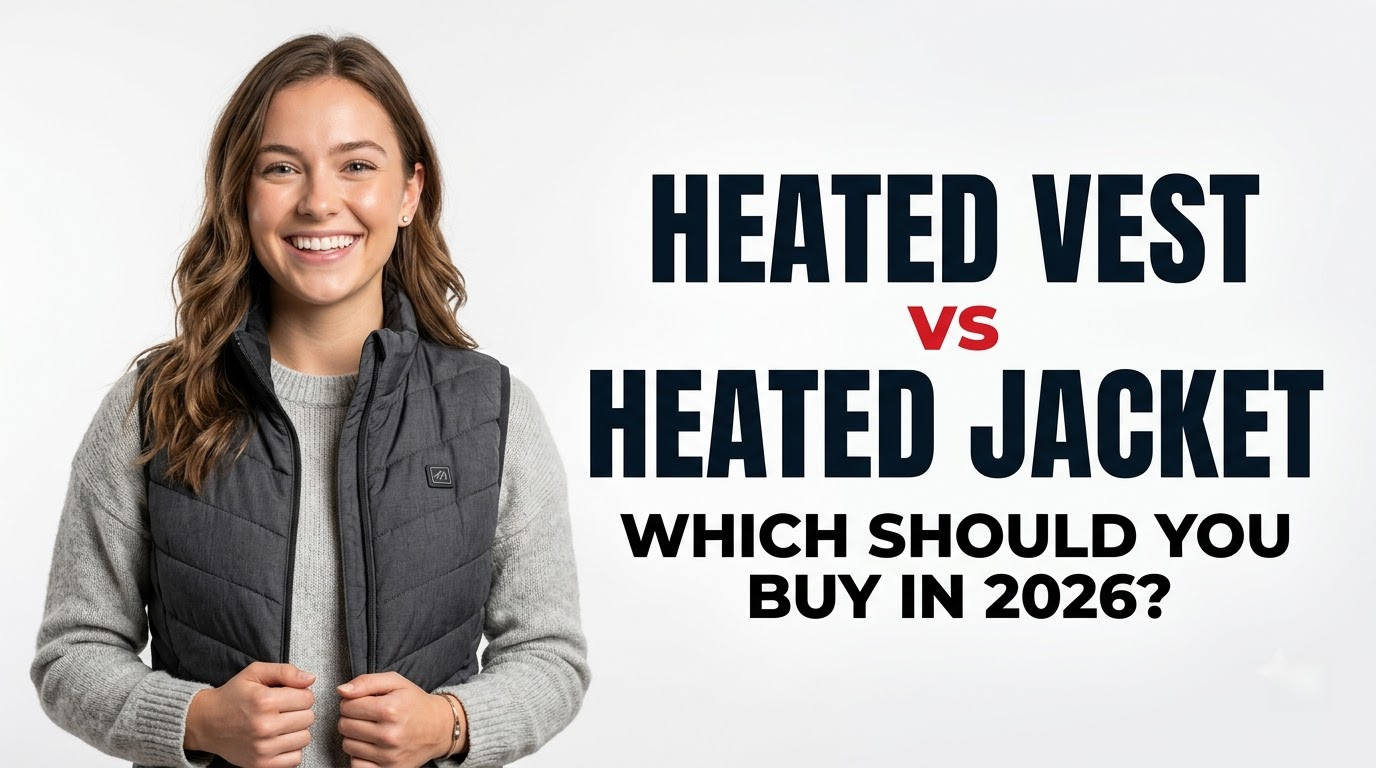
Heated Vest vs Heated Jacket: Which Should You Buy in 2026?
Heated vest vs heated jacket: which is better for 2026? Compare warmth, weight, versatility, battery life, and price to pick the right heated layering piece.

Tech Reviewer
In This Article
The heated vest vs heated jacket debate comes down to one question: do you want a single garment that does everything, or a layering system that adapts to changing conditions? The answer depends on how you plan to use it.
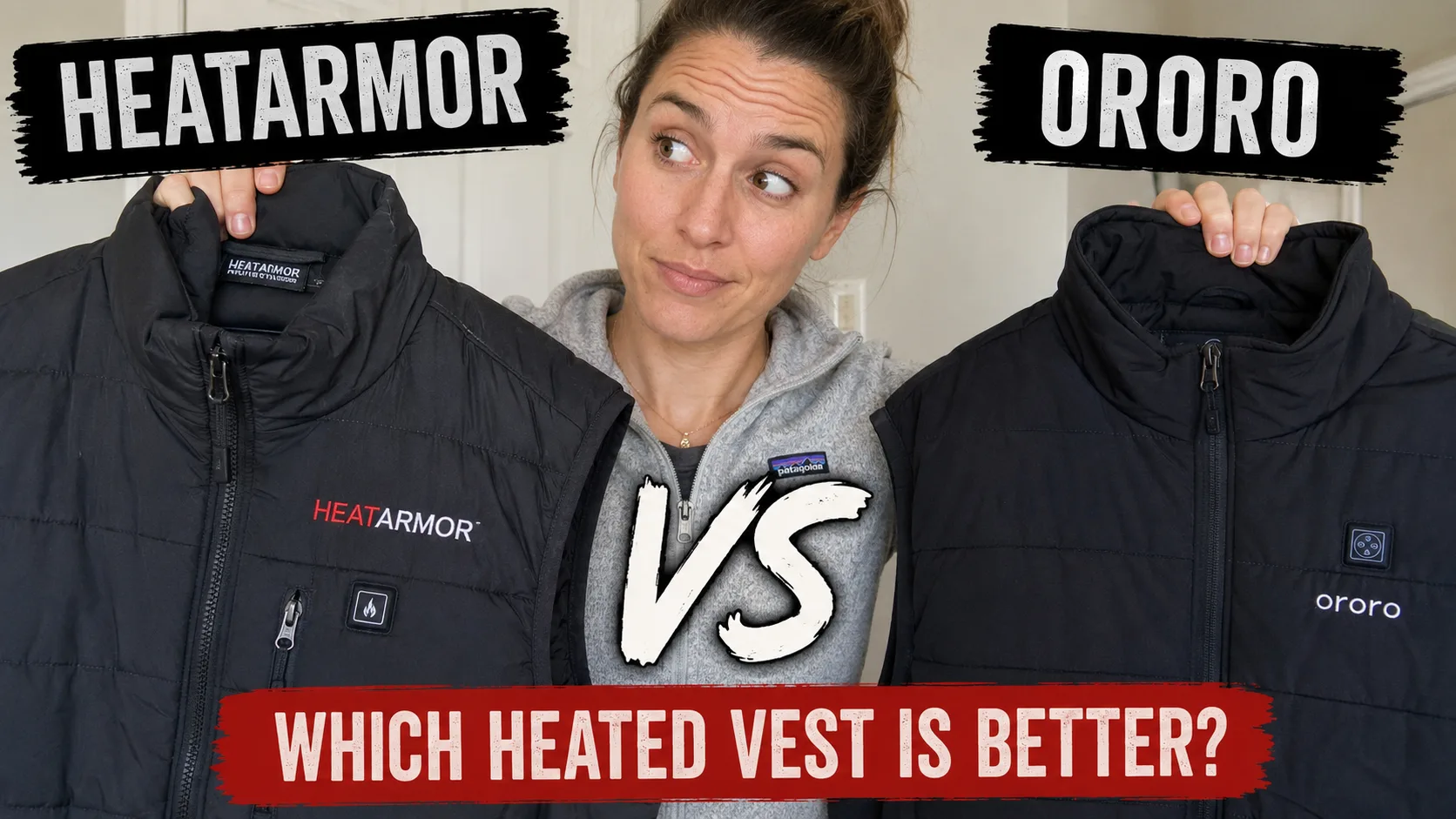
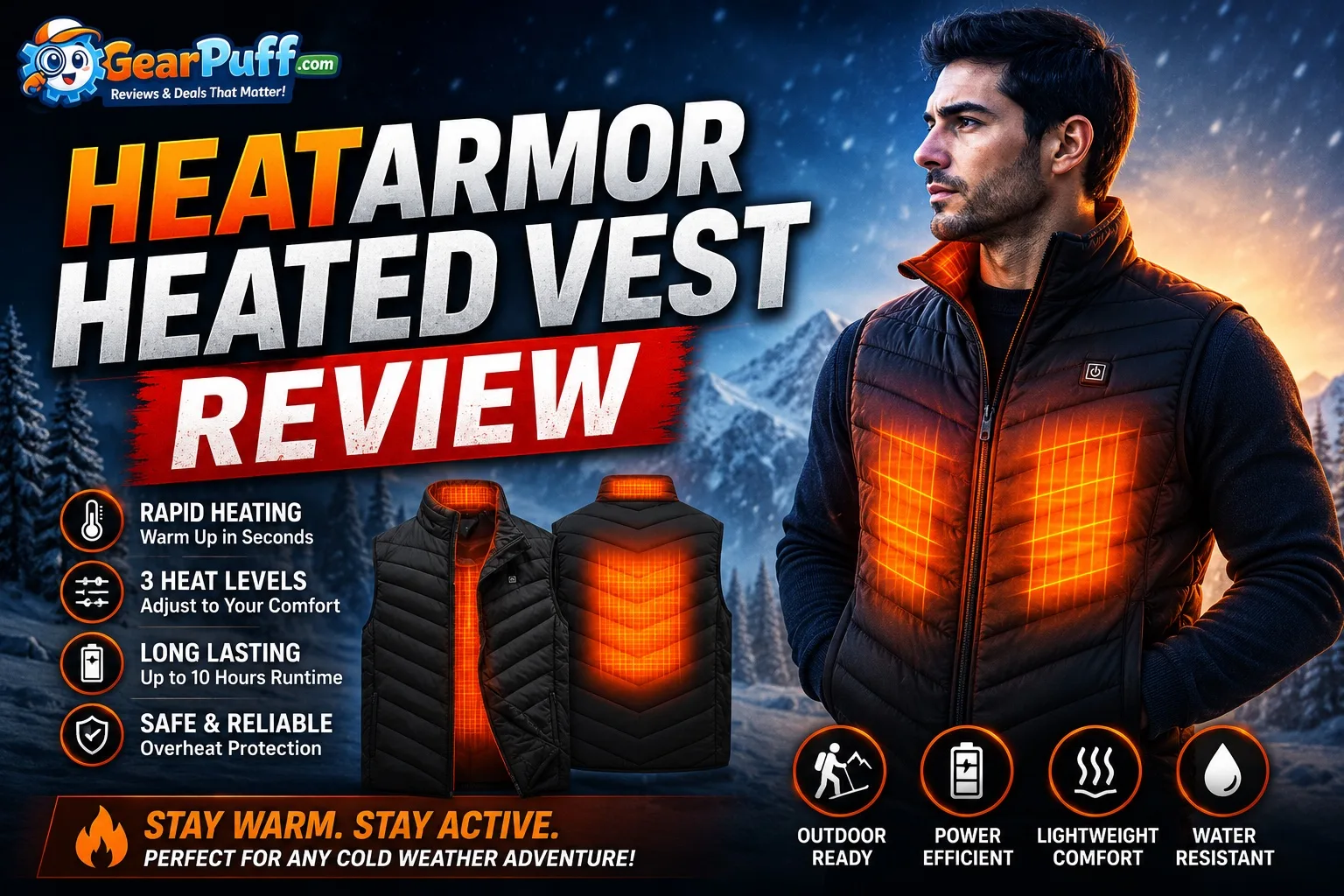
I have tested both heated vests and heated jackets through full winters in the Northeast, from 40°F commutes to 15°F camping trips. Here is the honest comparison based on real-world use, not marketing claims. For our top heated vest picks, see our best heated vests of 2026 guide. For the deep dive on one top vest, read our HeatArmor heated vest review.
Quick Comparison
| Factor | Heated Vest | Heated Jacket |
|---|---|---|
| Warmth coverage | Core only (chest, back, neck) | Core + arms |
| Layering | Layers under any jacket | Single outer layer |
| Weight | Lighter (1-1.5 lbs) | Heavier (2-3 lbs) |
| Battery life | Longer (fewer zones to power) | Shorter (more zones) |
| Price range | $60-$160 | $100-$300 |
| Indoor use | Comfortable under clothes | Too warm indoors |
| Best for | Layering, variable conditions | Dedicated outdoor use |
Warmth: Vest vs Jacket
A heated jacket covers more surface area (arms in addition to the core), so it provides more total warmth in theory. But the practical difference depends on how you layer.
A heated vest under a quality winter jacket provides comparable warmth to a standalone heated jacket. The vest heats your core (which is where your body prioritizes warmth), and the outer jacket traps that heat and blocks wind. The result: similar warmth with more flexibility.
If you wear only a heated jacket without layering underneath, your arms are warm but your core may not be. The best approach is layering: heated vest + base layer + outer jacket. This three-layer system outperforms a heated jacket used alone.
Versatility: Vest Wins
This is where the vest pulls ahead. A heated vest works as:
- A layering piece under any jacket (rain, wind, or winter)
- An outer layer in mild cold (40-50°F)
- An indoor layer under work clothing
- A standalone piece for activities where you need arm freedom
A heated jacket is a single-purpose outer layer. It is too warm for indoor use, too bulky to layer under another jacket, and less adaptable to changing weather. If you commute in a heated jacket and walk into a warm office, you will be sweating within minutes. A heated vest under your work clothes solves that problem.
Battery Life: Vest Wins
Heated vests typically have fewer heating zones (3-5) compared to heated jackets (5-7+), which means they consume less power. A heated vest with a 10,000mAh battery can last 8-10 hours on low. A comparable heated jacket with the same battery lasts 5-7 hours because it is heating more zones.
If battery life matters (for outdoor work, long hikes, or all-day events), a heated vest gives you more runtime per charge.
Price: Vest Wins
Heated vests range from $60-$160. Heated jackets range from $100-$300. The price difference reflects the additional material, stitching, and heating elements in a jacket.
The most cost-effective approach: buy a heated vest ($100-$160) and layer it under a jacket you already own. You get comparable warmth to a heated jacket at half the price, with more versatility.
When to Buy a Heated Jacket
A heated jacket makes sense if:
- You spend extended time outdoors in harsh conditions (skiing, snowmobiling, ice fishing)
- You want a single garment that does not require layering
- You do not need arm mobility for work or activities
- You prefer the simplicity of one heated outer layer
When to Buy a Heated Vest
A heated vest makes sense if:
- You need flexibility across temperatures and conditions
- You layer under different jackets for different weather
- You work indoors and outdoors (construction, events, commuting)
- Battery life is a priority
- You want arm freedom for activities
The Bottom Line
For most people, a heated vest is the better buy. It is more flexible, lighter, cheaper, and lasts longer per charge. Pair it with a good outer jacket and you get comparable warmth to a heated jacket with more flexibility.
The only scenario where a heated jacket wins is dedicated outdoor use in harsh conditions where you need maximum warmth without layering. For everyone else, the vest is the smarter investment.
For our top heated vest picks, see our best heated vests of 2026 guide.
Frequently Asked Questions
Is a heated vest or heated jacket warmer?
Can you wear a heated vest under a jacket?
Which is more flexible, heated vest or jacket?
Do heated jackets have better battery life?
Are heated vests cheaper than heated jackets?
Can I use a heated jacket as my only winter coat?
What makes a smart gadget worth buying in 2026?
How long do smart gadgets typically last before needing replacement?
More Wearable Tech Articles


Related Product Reviews

Jordan Rivera
Wearable tech reviewer and fitness technology analyst. Tests smartwatches, fitness trackers, and audio gear daily. Background in sports science helps evaluate health features with expertise.
Affiliate disclosure:This article contains affiliate links. If you buy through them, GearPuff may earn a commission at no extra cost to you. It keeps our testing independent and our reviews free.