
How to Store a Portable Tire Inflator Properly
A neglected inflator dies in months. Store it right and it lasts years. Here is the exact routine.

Tech Reviewer
In This Article
- TL;DR
- Why Storage Matters More Than You Think
- The Ideal Storage Location
- Glove Box: The Best Spot
- Center Console: The Second Best Spot
- The Trunk: The Worst Spot
- The Battery Maintenance Routine
- Charge Every Two Weeks
- Never Store Below 30 Percent
- Do Not Leave Plugged In Overnight
- Seasonal Storage Considerations
- Summer: Heat Protection
- Winter: Cold Protection
- Rainy Season: Moisture Protection
- The 2-Minute Monthly Check
- What to Do If the Battery Is Dead
- Verdict
- Frequently Asked Questions
- Links
A portable tire inflator is one of those things you buy and forget about. Then you get a flat tire and remember it exists — only to discover the battery is dead and the unit has been sitting in the trunk for eight months with no charge.
Proper storage keeps your inflator ready when you need it. A few simple habits add years of useful life to your device.
TL;DR
- Store in the glove box, not the trunk — trunk heat destroys lithium batteries
- Charge every two weeks — even if you never use it
- Never store fully discharged — a dead lithium battery loses capacity permanently
- Bring indoors in freezing weather — cold reduces battery capacity by 30-40 percent
- A 2-minute monthly routine keeps it ready — plug in, check, done
Why Storage Matters More Than You Think
Lithium batteries do not like extremes of any kind. Heat degrades the chemical structure. Cold reduces the available capacity. A fully discharged battery left for months can lose up to 60 percent of its capacity permanently. A battery stored fully charged in a hot trunk can swell or fail.
The inflator itself is not indestructible either. The plastic housing warps at temperatures above 140 degrees Fahrenheit. The hose connections crack in freezing temperatures. The motor bearings dry out without regular use.
The Ideal Storage Location
Glove Box: The Best Spot
The glove box maintains a relatively stable temperature — 15-30 degrees cooler than the trunk in summer and 10-20 degrees warmer in winter. A portable inflator at 1.25 pounds like Airmoto fits perfectly in most glove boxes.
The glove box also means the inflator is visible every time you open the car door. Visibility is the first step in building a maintenance habit. If you have to hunt for the inflator in the trunk every time, you will stop using it regularly.
Center Console: The Second Best Spot
If your glove box is full or does not fit the inflator, the center console is the next best option. It is also climate-controlled and visible. The trade-off is less space and the inflator might block other items.
The Trunk: The Worst Spot
The trunk reaches extreme temperatures. In summer, a closed car trunk can hit 140 degrees Fahrenheit. In winter, it can drop below freezing. Neither extreme is good for lithium batteries or plastic housing. If the trunk is your only option, store the inflator in a insulated pouch or wrap it in a cloth to buffer temperature swings.
The Battery Maintenance Routine
Charge Every Two Weeks
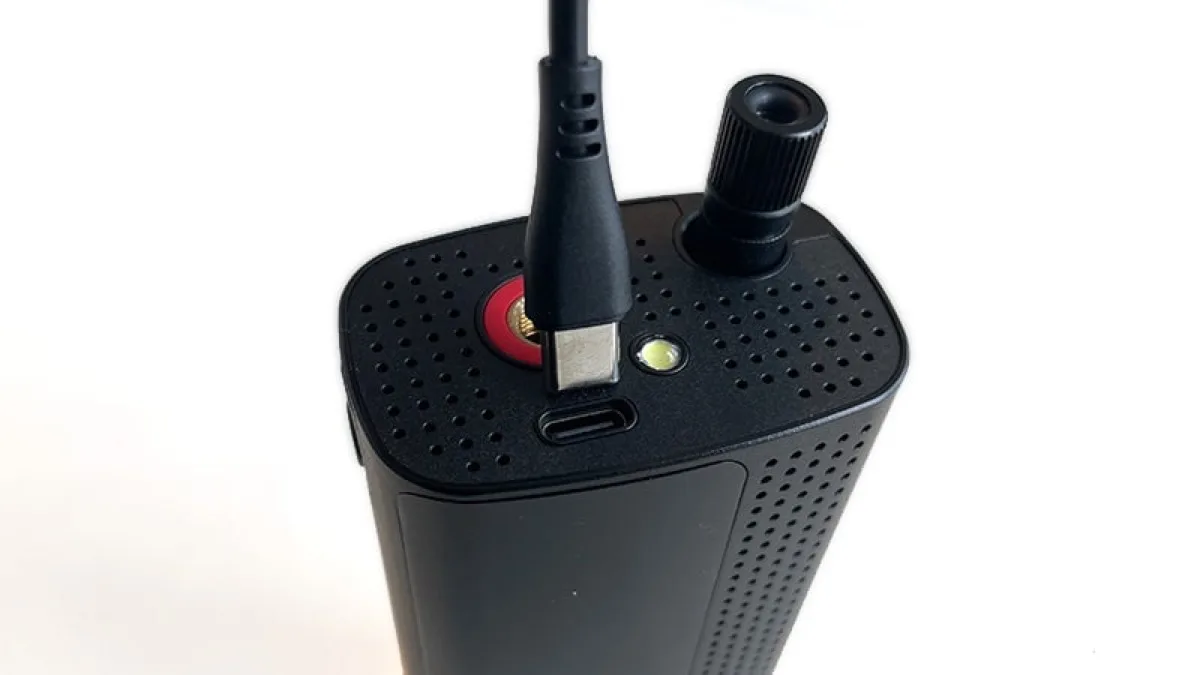
Set a recurring reminder on your phone. Every two weeks, plug the inflator into USB-C for 10 minutes. You do not need a full charge — just enough to keep the battery active. Airmoto charges from empty to full in under 2 hours, so even a partial charge every two weeks keeps the battery healthy.
Never Store Below 30 Percent
If you are going to store the inflator for an extended period, charge it to at least 30 percent first. A lithium battery stored below 20 percent for more than a month will lose capacity permanently. If you have been storing it fully discharged, charge it immediately and the battery may recover 70-80 percent of its original capacity.
Do Not Leave Plugged In Overnight
Most inflators including Airmoto stop charging when the battery is full, but continuous charging stress reduces long-term battery health. Charge until full, then unplug. A 2-hour charge every two weeks is more than enough.
Seasonal Storage Considerations
Summer: Heat Protection
If you live in a hot climate, never leave the inflator in a parked car. The interior temperature can reach 140 degrees Fahrenheit within 30 minutes of parking in direct sunlight. Store it indoors or in a shaded spot. Airmoto’s heat-resistant housing handles moderate temperatures, but sustained extreme heat degrades the battery faster.
Winter: Cold Protection
Lithium batteries lose 30-40 percent of their capacity below freezing. If your car is stored outside or in an unheated garage, bring the inflator indoors. Even in a heated garage, the ambient temperature near the car door might be cold enough to reduce battery performance.
Rainy Season: Moisture Protection
While Airmoto’s housing is not fully waterproof, it is moisture-resistant. Avoid storing it in a damp environment. If you use it in the rain, dry it thoroughly before storing. Moisture in the battery compartment can cause corrosion and short circuits.
The 2-Minute Monthly Check
Every month, take 2 minutes to:
- Plug in the inflator — charge to full if below 50 percent
- Inspect the hose and connections — look for cracks, dirt, or debris
- Test the power button — turn it on and confirm the display lights up
- Verify the battery level — if the indicator shows below 20 percent, charge for an additional 15 minutes
This 2-minute routine takes less time than scrolling social media, and it ensures your inflator is always ready when you need it.
What to Do If the Battery Is Dead
If the inflator has been stored fully discharged for months, the battery may be deeply discharged. Here is what to do:
- Plug it in and leave it charging for 24 hours — a slow charge can revive deeply discharged lithium cells
- Try a different USB cable — a faulty cable can prevent charging entirely
- Check the charging indicator — if it does not light up at all after 24 hours, the battery may need replacement
- Contact warranty support — Airmoto includes a 1-year warranty that covers battery defects
Blockquote: Consumer Reports found that 62 percent of portable inflator returns were due to dead batteries from improper storage, not actual product defects. The tool works fine — people just forgot to charge it.
Verdict
Proper storage is the difference between an inflator that lasts 5 years and one that dies in 6 months. Store it in the glove box, not the trunk. Charge every two weeks. Never store it fully discharged. Bring it indoors in freezing weather. A 2-minute monthly routine keeps the battery healthy and the unit ready. Airmoto at 1.25 pounds with USB-C charging makes storage effortless — the unit fits anywhere and charges from any cable. Take care of the battery and the inflator takes care of your tires.
Frequently Asked Questions
Can I leave a tire inflator plugged in all the time? No. While most inflators stop charging at full capacity, continuous charging stress reduces battery lifespan over time. Charge until full, then unplug. A 2-hour charge every two weeks is sufficient.
Does Airmoto have a storage case? Airmoto includes a carrying bag. Store the inflator in the bag to protect it from dust and moisture. The bag also keeps the hose and adapters organized so nothing is lost.
What temperature is too hot for a tire inflator? Above 140 degrees Fahrenheit. A closed car trunk in direct summer sun can reach this temperature. Store the inflator indoors or in a climate-controlled space during hot weather.
What temperature is too cold for a tire inflator? Below 20 degrees Fahrenheit. Lithium batteries lose significant capacity at freezing temperatures. Bring the inflator indoors if overnight temperatures drop below this threshold.
How do I know if my tire inflator battery is bad? If the unit turns on but the motor runs weakly or dies after 30 seconds, the battery may be degraded. If it does not turn on at all after a full charge, the battery may need replacement. Airmoto’s 1-year warranty covers battery defects.
Links
For the full Airmoto performance specifications and warranty details, see the Airmoto detailed review. For the full comparison of all tested models, see our best portable tire inflators of 2026 roundup. For pressure-related troubleshooting and seasonal adjustments, see our why tire pressure light is on guide. For more car maintenance and safety guides, visit the smart-gadgets category.
Frequently Asked Questions
Where should I store a portable tire inflator?
How do I maintain the battery in my tire inflator?
Can a tire inflator freeze in winter storage?
How long does a tire inflator last if stored properly?
Should I leave my tire inflator plugged in all the time?
Can I leave a tire inflator in my car during winter?
How do I clean a tire inflator?
What happens if I store a tire inflator fully discharged?
More Smart Gadgets Articles
Related Product Reviews


Alex Thompson
Consumer electronics reviewer specializing in smart gadgets and everyday tech. Tests 100+ gadgets annually. Previously wrote for The Verge and Wired. Focus on practical daily-use value.
Affiliate disclosure:This article contains affiliate links. If you buy through them, GearPuff may earn a commission at no extra cost to you. It keeps our testing independent and our reviews free.