
How Often Should You Check Your Tire Pressure?
Monthly checks take 8 minutes and prevent most flats. Here is the schedule, the science, and why temperature matters more than you think.

Tech Reviewer
In This Article
- TL;DR
- The Science Behind Pressure Loss
- Why Monthly Checks Prevent Flats
- The Monthly Routine: Step by Step
- What You Need
- When to Check
- The 8-Minute Process
- Seasonal Adjustments
- Winter: Pressure Drops
- Summer: Pressure Rises
- Seasonal Transition: The Most Critical Time
- How to Build a Tire Pressure Habit
- What Airmoto Makes Easy
- Verdict
- Frequently Asked Questions
- Links
Most drivers ignore their tire pressure until the dashboard light comes on. By that point, they have already lost 8-10 PSI — enough to compromise grip, fuel economy, and tire life. A few minutes of prevention every month prevents most of these situations.
This guide covers exactly how often to check your tire pressure, why temperature matters, and how a portable inflator makes the whole routine effortless.
TL;DR
- Check monthly — tires lose 1-2 PSI per month through natural seepage
- Temperature swings of 10F = 1-2 PSI change — a real factor every season
- Before long trips, always — hot tires read higher than cold tires
- 8 minutes total per month — 2 minutes per tire with a portable inflator
- TPMS light is too late — it activates at 25 percent below recommended pressure
The Science Behind Pressure Loss
Tires are not perfectly sealed. Air molecules slowly seep through the rubber membrane, even in brand new tires. The rate is about 1-2 PSI per month for a standard passenger car tire. This is completely normal and happens to every tire on every car.
Temperature compounds the problem. Air expands when heated and contracts when cooled. A 10 degree Fahrenheit change changes pressure by about 1-2 PSI. If you top off your tires in July at 35 PSI and do not check again until January when temperatures drop 30 degrees, your tires could be 4-8 PSI low.
Why Monthly Checks Prevent Flats
The AAA reports that 9 percent of roadside flats are actually caused by chronic under-inflation, not punctures. A tire running at 25 PSI instead of 32 PSI has a 40 percent smaller contact patch, generates more heat, and wears unevenly. Over time, this leads to a blowout.
A monthly check catches low pressure before it becomes dangerous. At 2 PSI low, the tire is still safe. At 8 PSI low, it is a safety hazard. The gap between those two states is 6 months of neglect — exactly why a monthly routine matters.
The Monthly Routine: Step by Step
What You Need
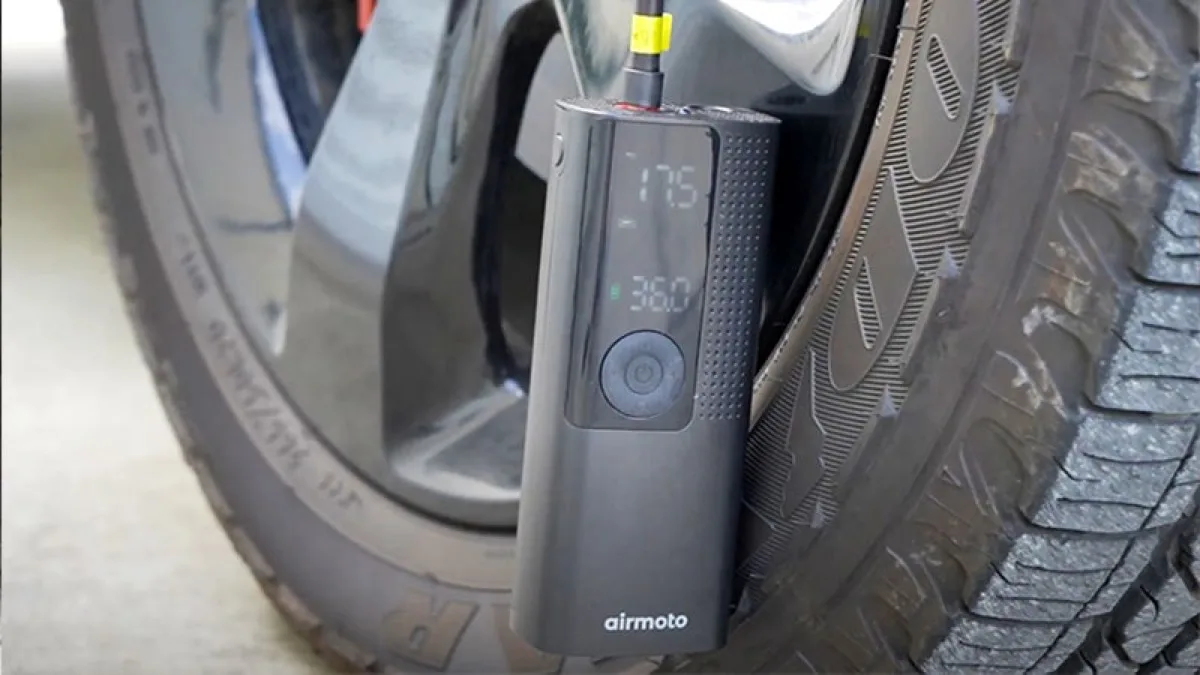
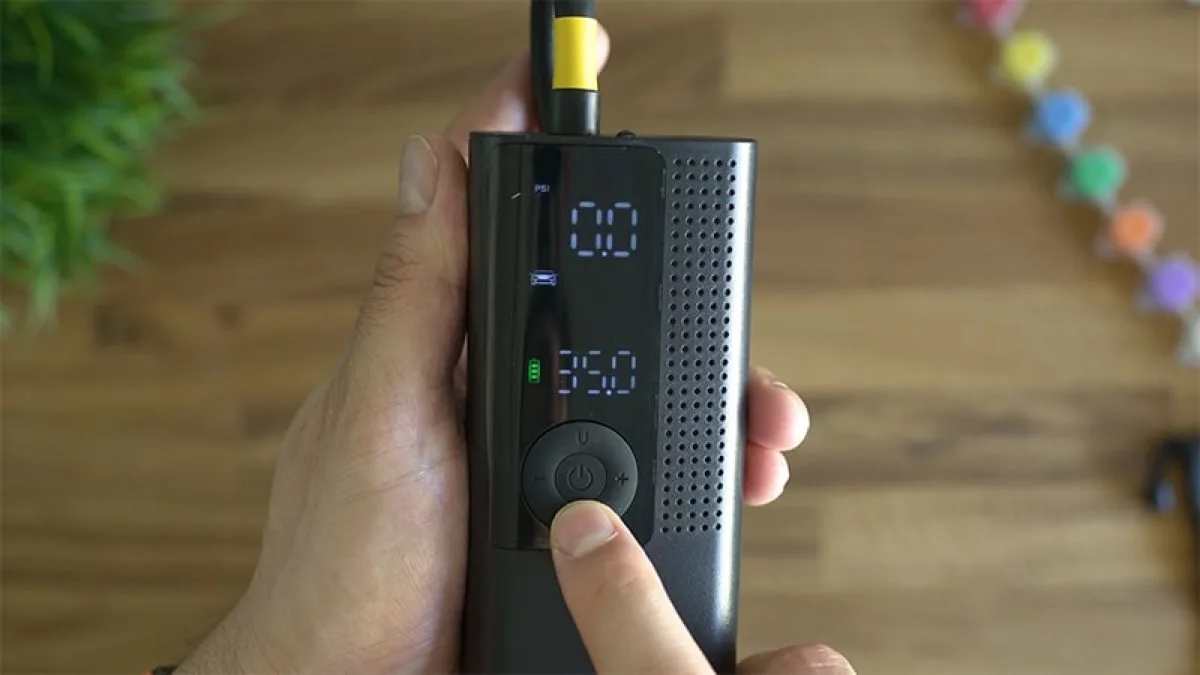
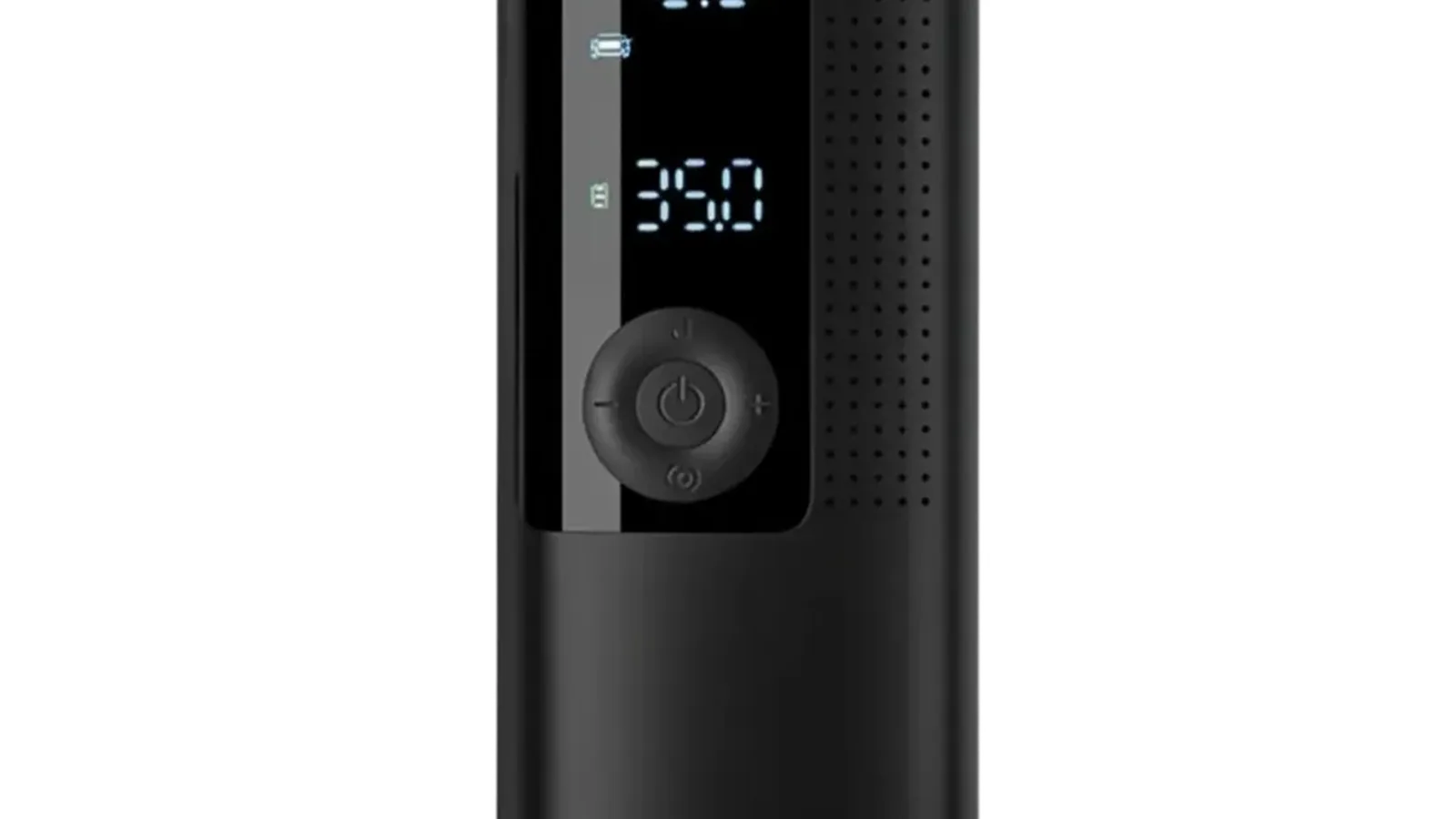
A portable tire inflator with a digital gauge and a standalone pressure gauge for verification. Airmoto includes both — the digital display reads current pressure and the auto shut-off prevents over-inflation. The whole setup lives in a glove box or center console.
When to Check
First thing in the morning before driving. Tires that have been sitting overnight are at their coldest and most accurate reading. If you check after driving, add 20 minutes of cooling time for accurate readings.
The 8-Minute Process
- Remove valve cap (10 seconds per tire)
- Read pressure with inflator gauge (15 seconds per tire)
- Add air if below recommended PSI (1-3 minutes per tire)
- Verify with standalone gauge (10 seconds per tire)
- Replace valve caps (10 seconds per tire)
Total: about 8 minutes for all four tires. With Airmoto’s auto shut-off, you set the target and walk away — the inflator does the inflation automatically.
Seasonal Adjustments
Winter: Pressure Drops
Cold air contracts. A 20 degree drop in temperature reduces tire pressure by 4-8 PSI. If your recommended pressure is 33 PSI and the temperature drops from 70F in September to 30F in January, your tires could be 4-6 PSI low without you knowing.
Check your tires at the first cold snap of the season and adjust. Then check monthly throughout winter. A portable inflator in your trunk means you never need to drive to a gas station to add air.
Summer: Pressure Rises
Hot sun on pavement heats tires and increases pressure. Your tires might read 37 PSI when the recommended is 33 PSI after sitting in the sun all day. Check before long summer trips — if the reading is above the recommended PSI, let some air out rather than driving on overinflated tires.
Seasonal Transition: The Most Critical Time
Spring and fall bring the largest temperature swings. Check your tires at the start of each season and adjust for the temperature change. This is when most drivers are caught off guard by a sudden pressure drop.
How to Build a Tire Pressure Habit
The hardest part of a maintenance routine is starting it. Here are three tricks that work:
Tie it to a calendar reminder. Set a monthly recurring reminder on your phone for the first day of each month. It takes 8 minutes — less time than waiting for a drive-through coffee.
Keep the inflator visible. Store it in the glove box or center console, not in the trunk where you have to hunt for it. If it is visible every time you open the car, you will remember to use it.
Track your readings. Write down the pressure each month in a notes app or on a sticky note. After three months, you will see the pattern of how much your tires lose per month and can adjust your routine accordingly.
Blockquote: A AAA study found that drivers who check tire pressure monthly save an average of $150 per year in fuel costs and tire replacements. The 8-minute routine pays for itself.
What Airmoto Makes Easy
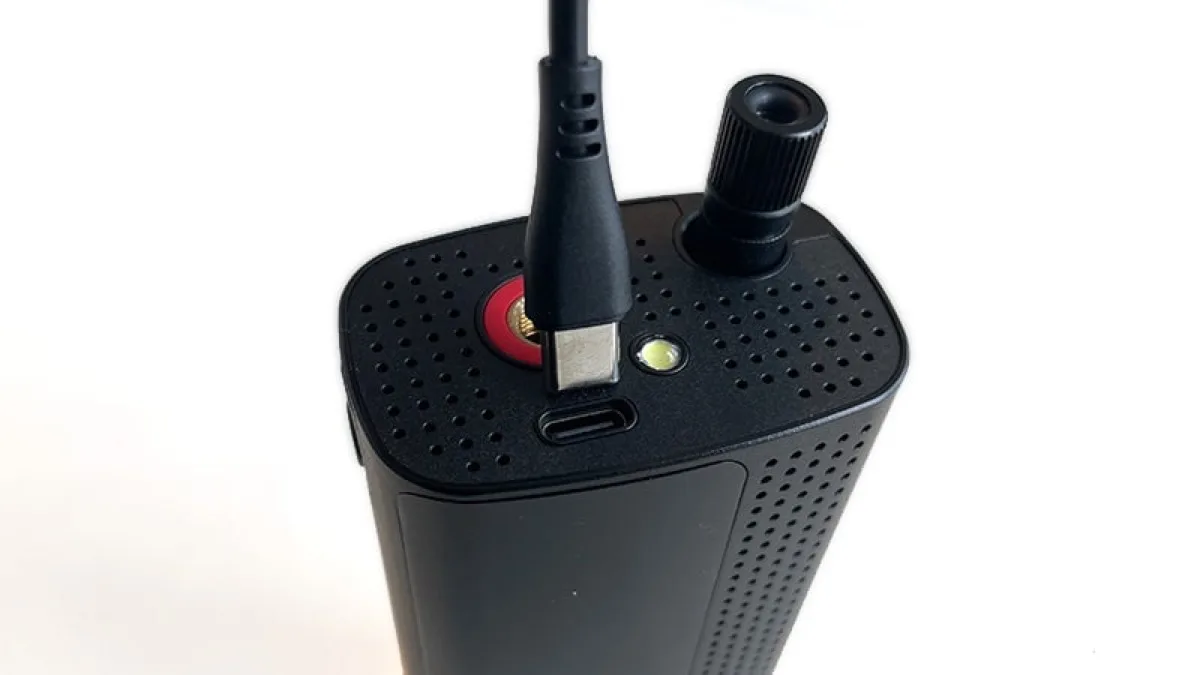
Airmoto removes the friction from the monthly routine. The digital gauge shows current pressure instantly. Auto shut-off means you set the target and walk away — no watching the pressure climb. The unit remembers your preset between uses, so if you always inflate to 33 PSI, it starts there every time.
USB-C charging means you never hunt for a special cable. Plug it into your car charger while you drive and the battery is always ready. The built-in LED illuminates the display and the tire valve in the dark, making evening checks easy.
Verdict
Checking tire pressure monthly takes 8 minutes and prevents most flats, blowouts, and uneven tire wear. Temperature changes of 10 degrees Fahrenheit can shift pressure by 1-2 PSI — that is why seasonal checks matter as much as monthly ones. A portable inflator like Airmoto turns a chore into a habit: 2 minutes per tire, auto shut-off, and a gauge you trust. The TPMS light is a warning, not a maintenance schedule. By the time it activates, you have already lost 8-10 PSI. Stay ahead of it.
Frequently Asked Questions
Can I check tire pressure with the car parked on a slope? Yes, but for the most accurate reading, park on level ground. A slope can distribute weight unevenly across the tire contact patch, giving a slightly different reading on one side.
Do tire pressure monitoring system sensors need replacement? TPMS sensors have batteries that last 5-10 years. When the sensor battery dies, the TPMS light stays on even if the tires are properly inflated. Check your sensor battery life if the TPMS light activates despite correct pressure.
How much does a tire pressure gauge cost? Standalone digital gauges cost $10-$20. Airmoto includes a digital gauge as part of the inflator, so you do not need a separate purchase. The inflator gauge reads within 1-2 PSI of a standalone gauge.
Can temperature really affect tire pressure that much? Yes. A 10 degree Fahrenheit change equals about 1-2 PSI. A 30 degree seasonal swing can mean 4-6 PSI difference. This is why checking more frequently during extreme weather seasons is important.
Should I use the same PSI for all four tires? Not always. Many SUVs recommend different front and rear pressures. Check your door sticker or owner manual. Most sedans use the same pressure for all four tires, typically 32-35 PSI.
Links
For the full Airmoto testing data including battery life, fill times, and accuracy across temperatures, see the Airmoto detailed review. For pressure-related troubleshooting, see our why tire pressure light is on guide. For the full comparison of all tested models, see our best portable tire inflators of 2026 roundup.
Frequently Asked Questions
How often should I check my tire pressure?
Why does tire pressure change with temperature?
Can I check tire pressure without an inflator?
How long does it take to check all four tires?
Do tires lose pressure faster in summer or winter?
How do I know if my tire pressure is too low?
Should I check tire pressure before or after driving?
What is the proper tire pressure for an SUV?
More Smart Gadgets Articles
Related Product Reviews


Alex Thompson
Consumer electronics reviewer specializing in smart gadgets and everyday tech. Tests 100+ gadgets annually. Previously wrote for The Verge and Wired. Focus on practical daily-use value.
Affiliate disclosure:This article contains affiliate links. If you buy through them, GearPuff may earn a commission at no extra cost to you. It keeps our testing independent and our reviews free.