

In This Article
- TL;DR
- The Real Cost Breakdown Nobody Shows You
- What Ryoko Actually Is
- Red Flags, Graded Honestly
- Green Flags Most Hit Pieces Skip
- Ryoko vs Honest Alternatives
- 1. Ryoko Pro, Around $170 Plus Data
- 2. GlocalMe G4 Pro, Around $149 to $169
- 3. Solis Go, Around $180
- 4. Airalo eSIM, $4 to $20 Per Trip
- How to Buy Ryoko Without Getting Burned
- How to Decide in 60 Seconds
- Verdict
Short answer first: Ryoko is a real product, but its ads sell a fantasy the checkout does not deliver. The device is real, the networks are real, and travelers do get online with it. The anger comes from the gap between “portable internet, no monthly charge” and the reality of a device price plus paid data packs plus checkout upsells. I spent three weeks testing portable WiFi across five countries for my Ryoko review, and this investigation answers the question behind thousands of searches: what does Ryoko actually cost, where does it fail, and who should buy something else.
TL;DR
- Ryoko is legit hardware with misleading cost framing. The skepticism is earned even though the device is real.
- True cost equals device (around $170) plus Viaota data packs. The starter allowance covers hours, not trips.
- No mandatory subscription is literally true and practically misleading. Data always costs extra.
- Cities work well. Rural and camping use disappoints, like most cellular hotspots.
- Groups and laptop workers suit hotspots. Solo phone users usually win with a travel eSIM.
The Real Cost Breakdown Nobody Shows You
| Cost piece | What to expect | The trap |
|---|---|---|
| Device | Around $170 at last check | Ads imply this is the whole price |
| Starter data | Small allowance, reported 500MB | Gone in hours of real use |
| Trip data packs | Paid per trip via Viaota | Discovered at checkout, not in ads |
| Checkout upsells | Accessories and extras preselected | Inflates the total quietly |
| Shipping | Varies, owners report slow delivery | Adds waiting to the cost surprise |
| Returns | Advertised window with friction | Shipping and restocking eat refunds |
Read the middle column for planning and the right column for self defense. The honest total for a two week Europe trip is device plus data packs plus shipping, and that number deserves comparison against every alternative below before you order. Screenshot the checkout terms when you buy anything in this category. Future you, filing a return or a chargeback, will thank present you.
What Ryoko Actually Is
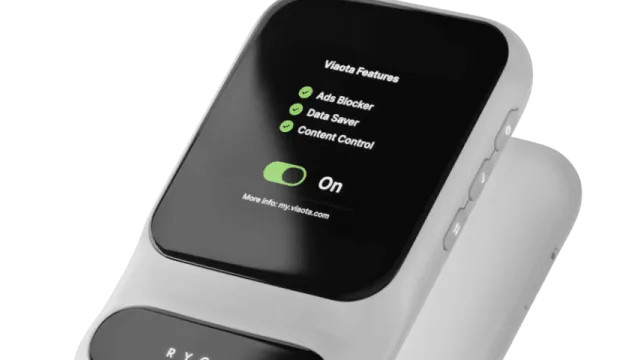
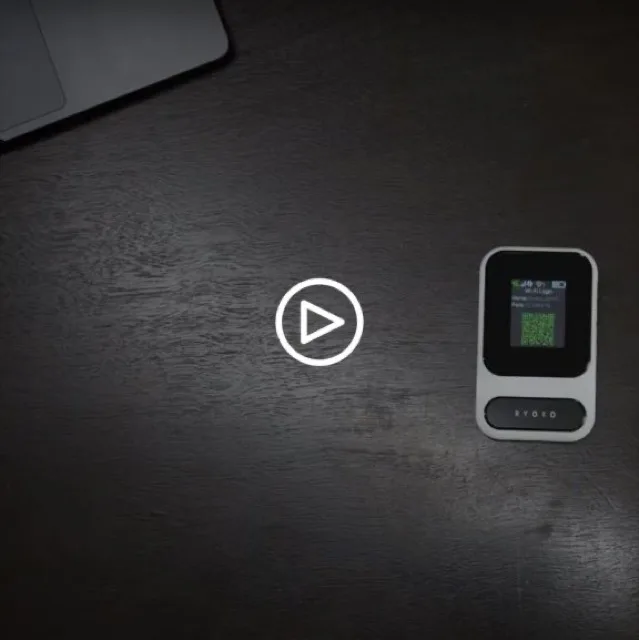
Strip the ads and Ryoko is a compact 4G hotspot that connects your phones and laptops through local carrier networks abroad, managed through the Viaota data platform. No SIM swapping, no store hunting on arrival day, one gadget serving the whole family. That convenience is genuinely valuable on landing day in a foreign airport with tired kids.
The hardware does its job in cities. Speeds handle maps, messaging, video calls, and streaming acceptably on decent signals. Battery lasts a travel day with moderate use. Setup takes minutes: power on, join its WiFi from your phone, top up data in the platform. My setup notes with screenshots live in the review, and the flow is simpler than any local SIM process I have endured.
Red Flags, Graded Honestly
The Facebook-only fame bothers people, and I understand why. Legitimate electronics usually appear on Amazon with thousands of ratings, while Ryoko lives mostly in its own ads and checkout. That is a yellow flag, not proof of bad intent. It means the company chose direct marketing over retail, which hides the product from independent review counts.
The cost framing is the red flag that matters. “No monthly charge” is technically true and practically a trap for anyone who reads it as “no further cost.” Owner complaints on Trustpilot and forums repeat the same story: surprise at data prices, upsells preselected at checkout, shipping slower than promised. Each complaint is survivable alone. Together they explain the reputation, earned by marketing choices rather than a defective device.
Returns draw the third flag. Advertised money-back windows mean little when return shipping costs real money and support replies slowly. This pattern appears across direct-marketed gadgets, not just Ryoko, which is why my buying rule is simple: never order without screenshotting the terms, and pay by credit card so chargeback protection exists.
Green Flags Most Hit Pieces Skip
Balance requires the other side. The device connects to real carrier networks and real travelers post real speed tests from real trips. Coverage spans many countries through the platform’s carrier deals. Pay-as-you-go genuinely suits occasional travelers better than a subscription gathering dust eleven months a year. And the company fulfills orders and operates support, however slowly, which separates disappointing companies from fly-by-night sellers that ship nothing.
My verdict after testing: a legitimate product with a trust deficit it created itself. Buy it with open eyes about total cost and it can serve family trips well. Buy it believing the ads and you will join the complaint threads.
Ryoko vs Honest Alternatives
| Option | Device cost | Data model | Best for | Watch out |
|---|---|---|---|---|
| Ryoko | Around $170 | Pay-as-you-go via Viaota | Occasional family trips | Starter data tiny, upsells |
| GlocalMe G4 Pro | Around $149 to $169 | CloudSIM pay-as-you-go | Touchscreen convenience lovers | Higher data prices per GB |
| Solis Go | Around $180 | Lifetime data included | Light backup use | 4.0 rating, speeds vary |
| Airalo eSIM | $0 hardware | $4 to $20 per trip | Solo SIM-free-phone travelers | Needs eSIM-compatible phone |
| Local SIM | $5 to $15 | Local rates | Single-country long stays | Store hunting on arrival |
The table reframes the question from “is Ryoko worth it” to “which deal fits my trip.” A solo traveler with an SIM-free phone loses money on any hotspot hardware. A family of four sharing one connection across three countries can justify Ryoko or GlocalMe easily. Price your actual trip in gigabytes before choosing.
1. Ryoko Pro, Around $170 Plus Data
Why it earns the investigated pick spot: real hardware that suits occasional group travel once you price it honestly with data included.
Buy Ryoko when your pattern is one or two family trips a year, multiple devices sharing, and zero interest in SIM store errands. Skip it when you travel solo with an SIM-free phone, camp off grid, or burn through tens of gigabytes monthly. The decision rule is gigabytes times travelers: low total data across several people favors Ryoko, high data or single users favor the options below.
2. GlocalMe G4 Pro, Around $149 to $169
Why it earns the convenience alternative spot: a touchscreen that shows data balance and tops up without a phone, with CloudSIM handling networks across 200 plus countries.
The G4 Pro answers buyers who like Ryoko’s concept but want a more polished device from a longer established brand. The screen removes app fumbling, and ten devices can share one connection. Owner ratings sit near 3.9 across 1,800 plus ratings at last check, with data pricing complaints echoing the category’s universal weakness. Choose it over Ryoko for interface and brand history, not for cheaper data.
3. Solis Go, Around $180
Why it earns the lifetime data spot: bundled data that never expires suits travelers who want a backup connection waiting in the bag.
Solis ships with lifetime data included plus a power bank body that charges your phone, which no rival matches for grab-and-forget backup duty. The 4.0 rating across 3,300 plus ratings reflects real compromise: convenient but not fast, beloved as a safety net rather than a primary link. Buy it as the connection that saves the day when the primary plan fails, which is exactly the job my throttling guide assigns it.
4. Airalo eSIM, $4 to $20 Per Trip
Why it earns the solo traveler spot: no hardware, instant delivery, and trip data cheaper than any hotspot’s all-in cost for one person.
If your phone is SIM-free and eSIM compatible, start here before buying hardware. A Europe trip package costs less than a restaurant meal, installs before departure, and activates on landing. The failure mode is real though: botched installs leave travelers phoneless in airports, which is why my eSIM troubleshooting guide exists. My eSIM roundup prices current packages per region.
How to Buy Ryoko Without Getting Burned
If the table above points at Ryoko for your trip pattern, buy defensively and the experience stays positive.
Screenshot every checkout screen, especially the data plan selection and any preselected accessories. Deselect extras you did not ask for before paying. Total the device plus data plus shipping yourself rather than trusting the headline price. Pay by credit card, never debit, so chargeback protection covers you if returns turn difficult.
On arrival, test immediately. Connect every device you plan to use, run a video call, and confirm speeds while still inside the return window. Problems found on day one get refunds. Problems found on day twenty get arguments. This discipline applies to every direct-marketed gadget, and Ryoko buyers who follow it rarely join complaint threads.
How to Decide in 60 Seconds
- Solo, SIM-free phone, cities? eSIM. Stop reading and save $150.
- Family sharing, 2 to 3 trips a year? Ryoko or GlocalMe, priced with data.
- Want a forever backup in the bag? Solis Go.
- Rural, camping, or heavy laptop work? Carrier hotspot or local SIM, honestly.
- Still torn between hotspot and eSIM? My GlocalMe comparison and hotspot versus eSIM breakdown settle it with trip math.
Verdict
Ryoko is guilty of misleading marketing, and the hardware itself checks out. Price the device plus data against your actual gigabytes, compare with the table above, and buy whatever wins your trip math. For occasional group travel with honest expectations, Ryoko works. For everyone else, the alternatives above likely win. That is the whole truth behind the legitimacy question, and it fits in one sentence: real product, real networks, ads that hide the real price.
Screenshot the checkout, pay by card, and enjoy landing day with WiFi already working. That part of the promise, at least, is real.
Common Questions & Answers
Q: Is Ryoko Pro WiFi legit?
Yes, it is a real device from a real company that connects to real networks. The doubt comes from the marketing, which foregrounds the device price and buries the ongoing data cost. Buyers who expect internet with no further payment feel tricked at checkout when data plans appear. Treat it as hardware plus a data subscription and the offer reads honestly.
Q: How much does Ryoko WiFi really cost in total?
Two parts: the device itself, around $170 at last check, plus data through its Viaota platform. The box includes a small starter allowance, widely reported as 500MB, which covers hours rather than a trip. After that you buy data packs for each journey. Price any trip as device plus data, never device alone, and compare that all-in number against alternatives before ordering.
Q: Does Ryoko WiFi work without a monthly fee?
There is no mandatory monthly subscription, which is the literal truth behind the claim. But data is not free, so any real trip costs money beyond the device. The honest framing is pay-as-you-go rather than no fees ever. If your usage is one trip a year, pay-as-you-go suits you. If you travel monthly, compare subscription hotspots before committing.
Q: Why do Ryoko Trustpilot reviews mention surprise charges?
The recurring complaint pattern is upsells at checkout and data costs discovered after purchase. Buyers describe expecting a complete internet solution and finding a device that needs paid data to function. Some also report slow shipping and difficult returns. None of this means the hardware does not exist. It means the checkout flow sells the dream and the fine print sells the data.
Q: Can I get a refund on Ryoko if I change my mind?
The company advertises a money-back window, but owner reports describe return shipping costs and restocking friction that eat into refunds. Document everything: screenshot the offer terms at purchase, keep the box and all accessories, and start the return within the stated window. If a seller stonewalls, a credit card chargeback with your evidence trail is the backstop.
Q: Does Ryoko work in rural areas and while camping?
Poorly, by most owner accounts. Like all cellular hotspots it depends on carrier coverage, and it shines in cities while struggling off grid. Campers and rural travelers report unusable speeds outside metro areas. If your trips leave the city, check carrier coverage maps for your exact destinations or pick a hotspot with broader band support.
Q: Is Ryoko better than GlocalMe or Solis?
Different strengths. Ryoko leans on low device pricing with pay-as-you-go data. GlocalMe adds a touchscreen and CloudSIM convenience at a higher device price. Solis bundles lifetime data that suits light occasional use. Heavy data users often do better with a carrier hotspot or local SIMs. The right pick depends on trip length, group size, and gigabytes, which the comparison table in this article works through.
Q: Should I just use my phone as a hotspot instead?
Often yes for solo travelers. Modern phones hotspot capably, and a local SIM or travel eSIM at a few dollars per gigabyte beats dedicated hardware on price. Hotspots earn their place for groups sharing one connection, laptops needing stable all-day links, locked phones that reject foreign SIMs, and battery preservation. One device serving three laptops is the hotspot's home turf.
Q: What is Viaota and why does Ryoko need it?
Viaota is the data platform behind Ryoko's connectivity, handling plans, top-ups, and network access across countries. Think of Ryoko as the radio and Viaota as the carrier account. You cannot usefully separate them: the device without a Viaota data balance is an expensive paperweight. Factor Viaota pricing into every cost comparison.
More Smart Gadgets Articles

Related Product Reviews


Consumer electronics reviewer specializing in smart gadgets and everyday tech. Tests 100+ gadgets annually. Previously wrote for The Verge and Wired. Focus on practical daily-use value.